
Orchestrate AI insights into action

Trending
Categories
Jet Linx seeks to reduce downtime for private jet maintenance

Jet Linx Partners with Veryon to Reduce Private Jet Maintenance Downtime
Jet Linx, ranked among the top ten private jet operators, has announced a strategic partnership with aviation software provider Veryon to minimize maintenance downtime across its fleet. This collaboration aims to modernize Jet Linx’s maintenance and reliability program by integrating Veryon’s advanced tracking and defect analysis technologies, thereby streamlining operations and enhancing aircraft availability.
Enhancing Maintenance Efficiency Through Technology
Managing a diverse fleet of nearly 100 business jets operating under both Part 91 and Part 135 regulations, Jet Linx serves individual aircraft owners as well as jet card and on-demand charter clients. Operational efficiency and reliability are therefore essential to the company’s business model. The integration of Veryon Tracking and Veryon Defect Analysis offers Jet Linx a centralized platform for comprehensive maintenance management. This system facilitates efficient tracking of airworthiness requirements, reduces administrative workload, and increases visibility into potential maintenance issues.
Jason Vanis, Senior Vice President of Operations at Jet Linx, emphasized the company’s rigorous evaluation process, stating that Veryon’s depth of expertise and the sophistication of its Defect Analysis product distinguished it from other platforms. Powered by Veryon’s proprietary AIRE technology, the platform connects the entire maintenance lifecycle, enabling teams to track work orders, access technical documentation, troubleshoot issues more rapidly, and maintain inspection readiness. The system’s use of artificial intelligence and natural language processing allows it to detect recurring defects early, even when logbook entries or ATA codes vary, thereby helping to eliminate repeat problems and standardize repair procedures across technicians.
Bethany Little, CEO of Veryon, highlighted Jet Linx’s forward-thinking approach, noting that the platform upgrade will support the company’s operational growth while managing complexity. This initiative comes at a critical time when maintenance downtime poses a significant challenge for private jet owners and operators, directly affecting aircraft availability and reliability.
Industry Context and Competitive Dynamics
Jet Linx’s efforts to reduce maintenance downtime coincide with broader industry challenges. Recent geopolitical tensions have caused fuel prices to double, exerting additional pressure on airline operations and maintenance demand. These market fluctuations can influence airline capacity and delay the impact on maintenance service requirements. In response, competitors are also pursuing strategic advantages; for instance, American Airlines has recently re-entered the private jet market through a partnership with TLC Jet, targeting high-net-worth individuals and corporate executives.
Veryon Defect Analysis, which currently supports over 25% of the global commercial fleet, has expanded its reach into business aviation, now covering more than 300 business jets worldwide. By adopting this technology, Jet Linx anticipates creating a more connected, data-driven maintenance operation that will reduce downtime, improve efficiency, and bolster the company’s growth prospects in an increasingly competitive and evolving market.

How Artificial Intelligence Is Transforming Airport Operations
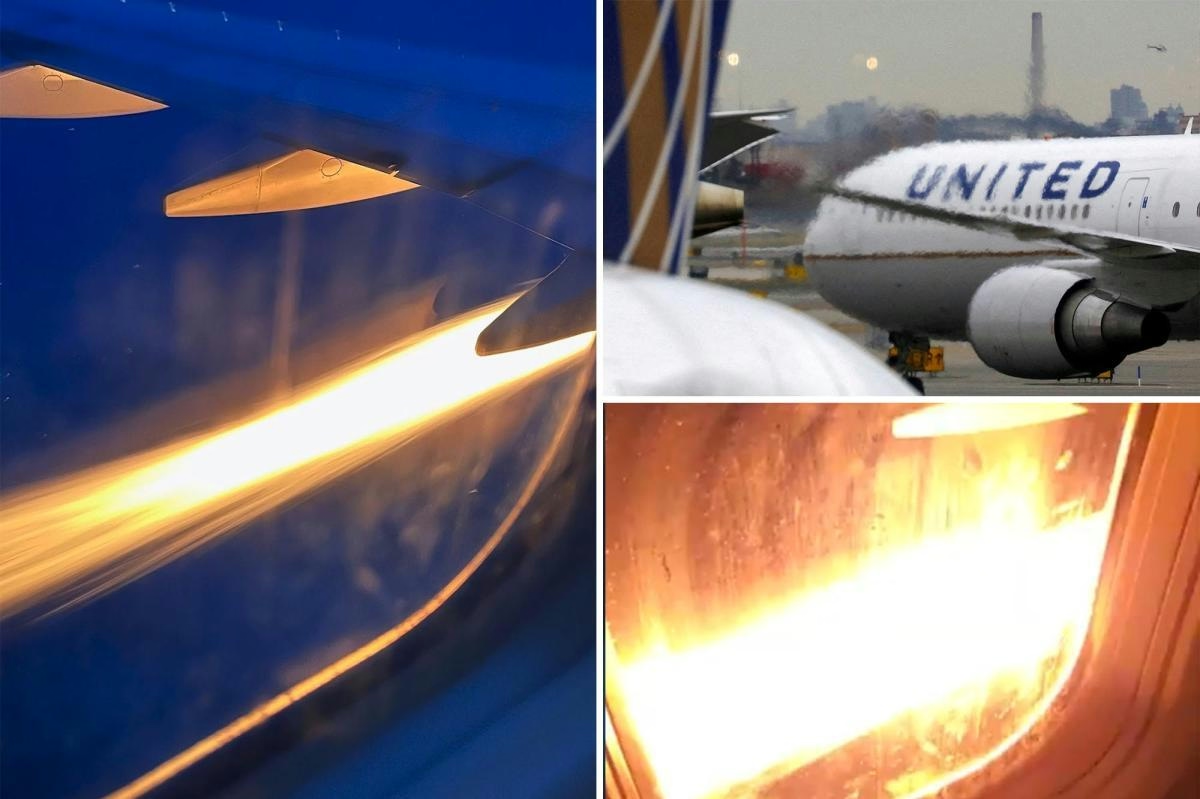
United 777 Makes Emergency Landing in Houston After Engine Fire

DGCA Adopts Blockchain and AI to Enhance Data Security and Licensing

DGCA Introduces AI-Based eGCA 2.0 for Aviation Oversight

Dubai Marina, Palm Jumeirah, and Downtown Dubai Prepare for Increased Tourism with New Metro-to-Vertiport Links
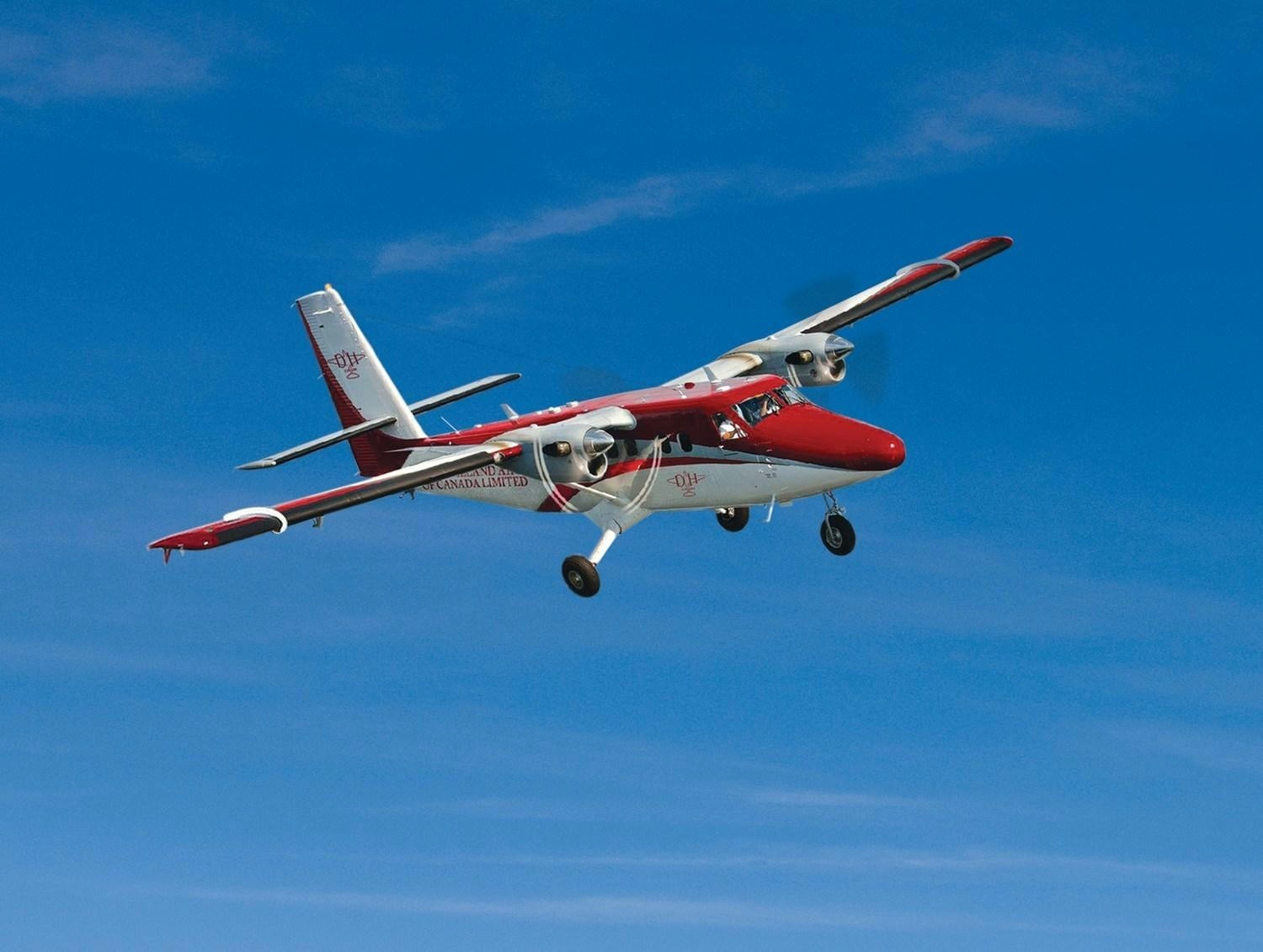
Ethiopian Airlines Receives DHC Twin Otter Classic 300-G
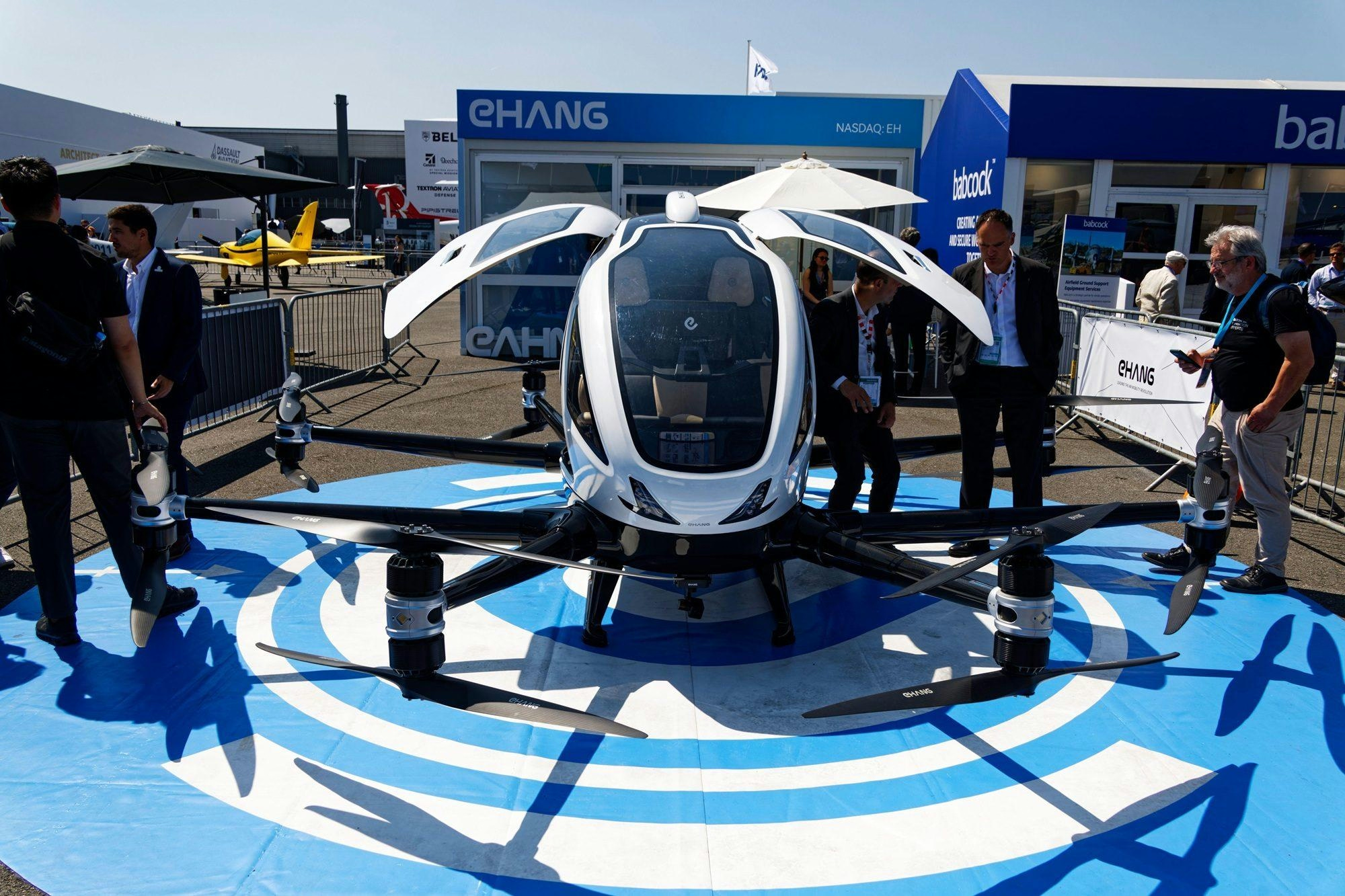
UAE, Qatar, Saudi Arabia, and Oman Prepare for 2026 Launch of Flying Taxis

JCAS Airways Delays Regional Launch to 2027 Amid Global Supply Chain Disruptions Impacting Japan’s Domestic Aviation
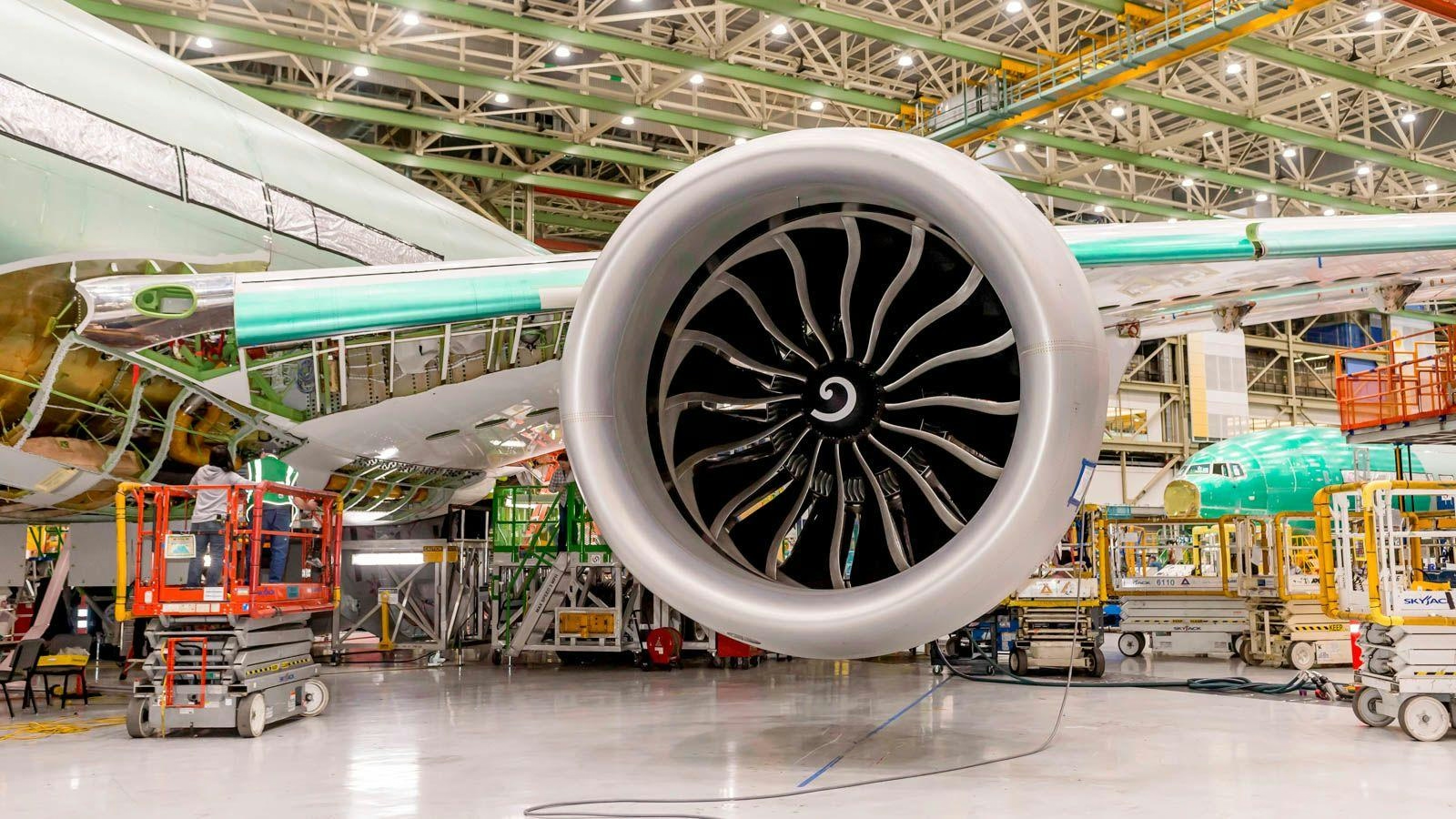
Why the Boeing 777-300ER Uses Only GE Engines

Korean Air Expands Incheon-New York Cargo Route to Support Semiconductor Supply Chain
