
Orchestrate AI insights into action

Trending
Categories
Red Arrows to Operate with Seven Aircraft Until 2030 Due to Aging Engines
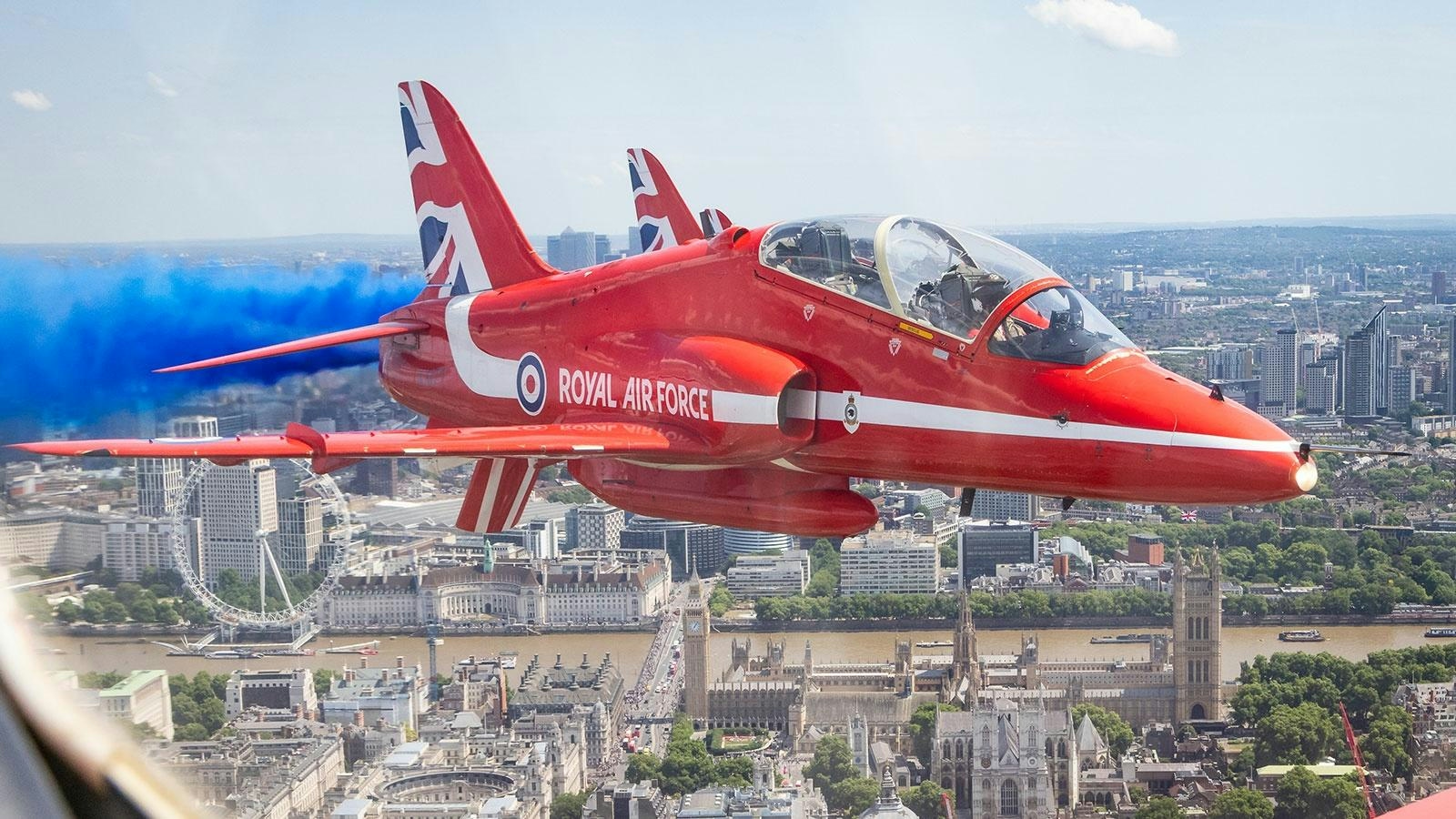
Red Arrows to Operate with Seven Aircraft Until 2030 Amid Engine Aging Concerns
The Royal Air Force’s renowned aerobatic team, the Red Arrows, will reduce their display formation from the traditional nine jets to seven aircraft for most performances until 2030. This adjustment is driven by the aging engines of their Hawk T1 fleet, which have become increasingly difficult to maintain due to the scarcity of critical spare parts, particularly engines. RAF leadership has confirmed the decision as a necessary measure to sustain the team’s operations amid growing maintenance challenges.
Operational Adjustments and Display Commitments
While the Red Arrows will continue to perform nine-aircraft flypasts on significant occasions—such as the King’s official birthday and the 250th anniversary of American Independence on July 4th—the majority of their displays across the UK, Europe, and internationally will feature the smaller seven-jet formation. The Hawk T1 jets, which have been the backbone of the team’s nearly 4,000 worldwide displays, are facing increasing maintenance difficulties as parts become harder to source, a situation initially reported by Sky News.
An RAF spokesperson emphasized that scaling down the number of aircraft in future flypasts is intended to support sustainable management of the Hawk T1 fleet and to prepare the Red Arrows for a transition to a new aircraft type. The spokesperson reaffirmed the team’s status as a national symbol, celebrated globally for their precision, speed, and teamwork.
Broader Industry Challenges and Future Prospects
The Hawk T1s are slated for retirement in 2030, following a service life extension granted by the UK government in 2021. Although most of the UK’s original Hawk T1s were retired in 2022, the Red Arrows retained their aircraft to fulfill ongoing display commitments. The difficulties faced by the Red Arrows reflect wider challenges within the aviation sector, including the global grounding of Pratt & Whitney PW1100G turbofan engines, which has strained maintenance resources. Recent efforts have reduced grounded aircraft by 15% through increased production of critical components, while competitors such as GE Aerospace have accelerated deliveries of their Leap engines. Additionally, the US Air Force’s approval of the T-7A Red Hawk for production signals a broader shift toward newer trainer aircraft.
In the UK, market pressures are also evident. Modular trainer developer Aeralis recently entered administration due to cash flow issues and delays in the UK Defence Investment Plan. These industry-wide difficulties highlight the importance of prudent fleet management and strategic planning as the Red Arrows prepare for their eventual transition to a new generation of aircraft.
Despite these challenges, the RAF remains committed to maintaining the high standards of the Red Arrows’ displays. The team will continue to showcase British aviation excellence at airshows and events, adapting their operations to ensure the legacy of the Red Arrows endures through the conclusion of the Hawk T1 era and beyond.

FTAI Aviation Rises 6% Following Oversubscribed Aircraft Lease ABS Deal

Iran-linked hackers are now targeting aviation and oil firms through fake job offers, researchers warn

Inside the high-stakes world of private jet catering

Kenya Airways Faces Disruptions Amid Strategic Goods Bill and Supply Chain Challenges

Significant Advancement for Local Aviation

McCormick, aviation industry leaders to attend Aerium Innovation Summit
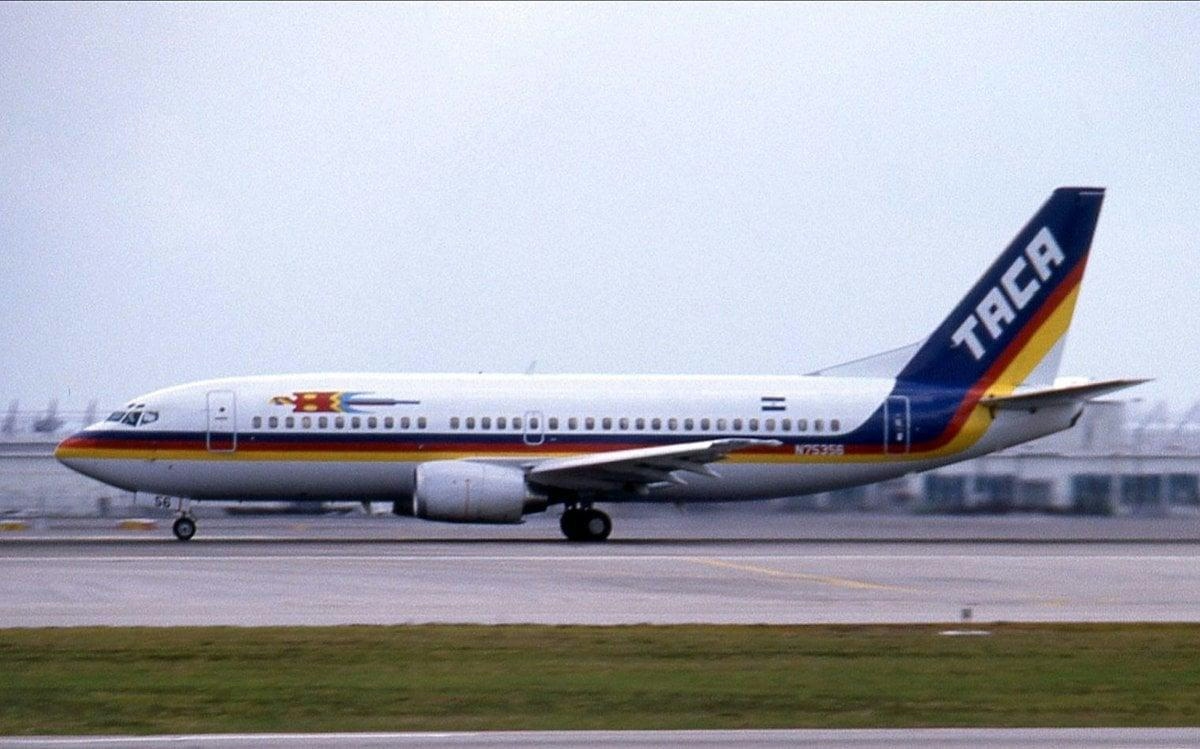
38 Years After TACA Flight 110’s Emergency Landing at Michoud
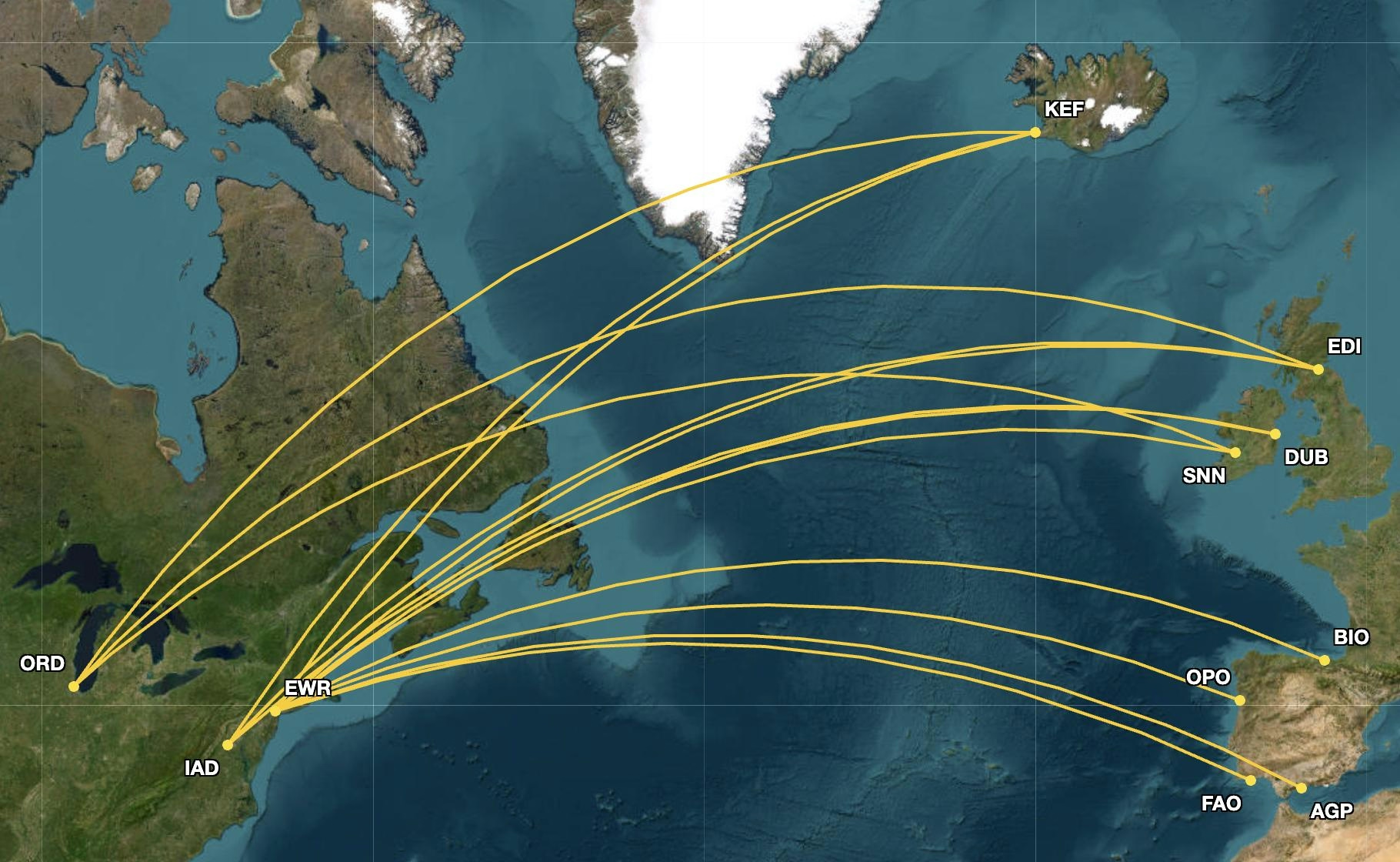
Airlines Expand Long-Haul Narrowbody Flights Across the Atlantic
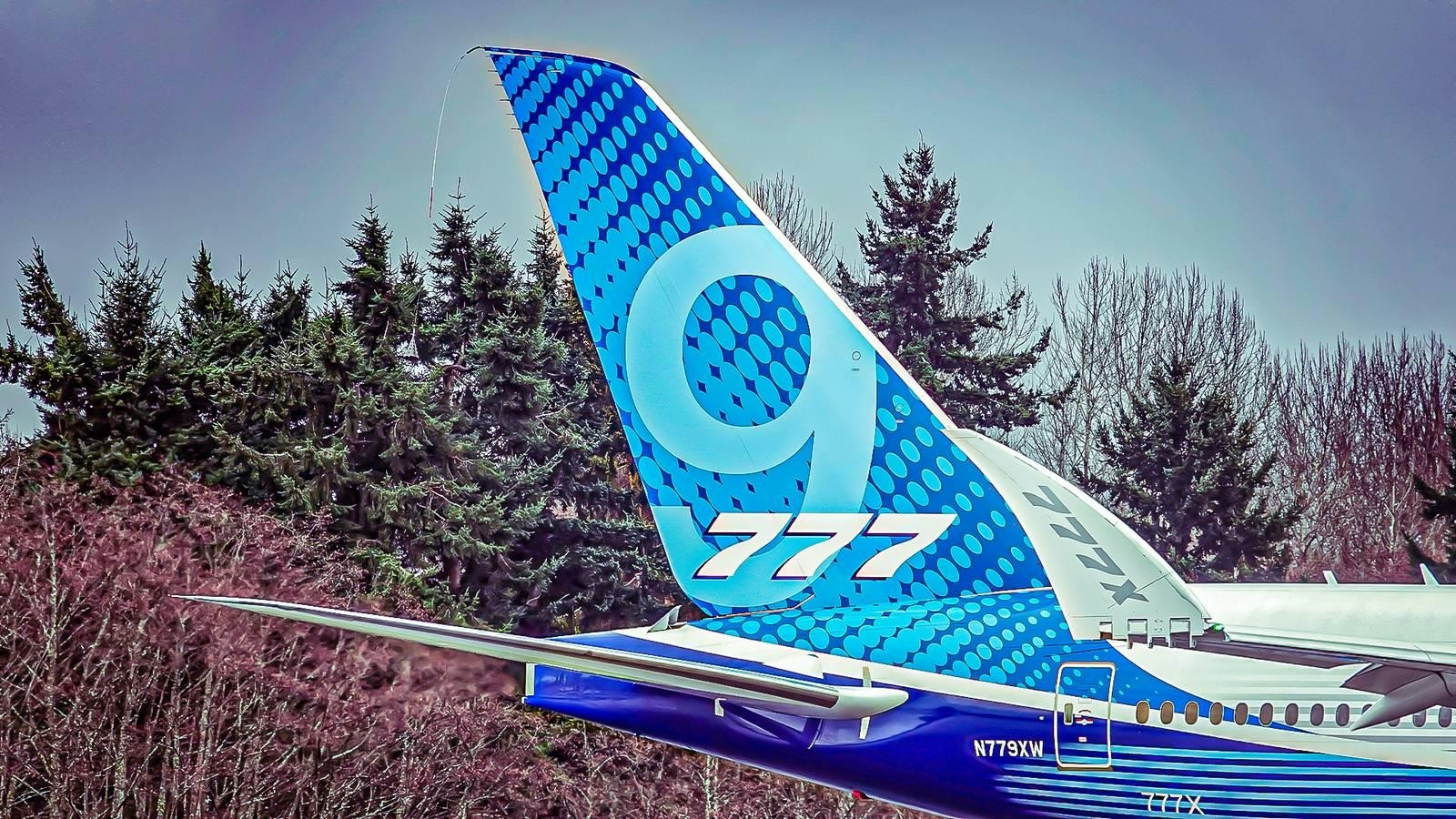
Why the Boeing 777X May Not Suit This European Airline
Demetrios Bradshaw’s Efforts to Address Challenges in Aviation
