
Orchestrate AI insights into action

Trending
Categories
Why the Boeing 777X May Not Suit This European Airline
Why the Boeing 777X May Not Suit This European Airline
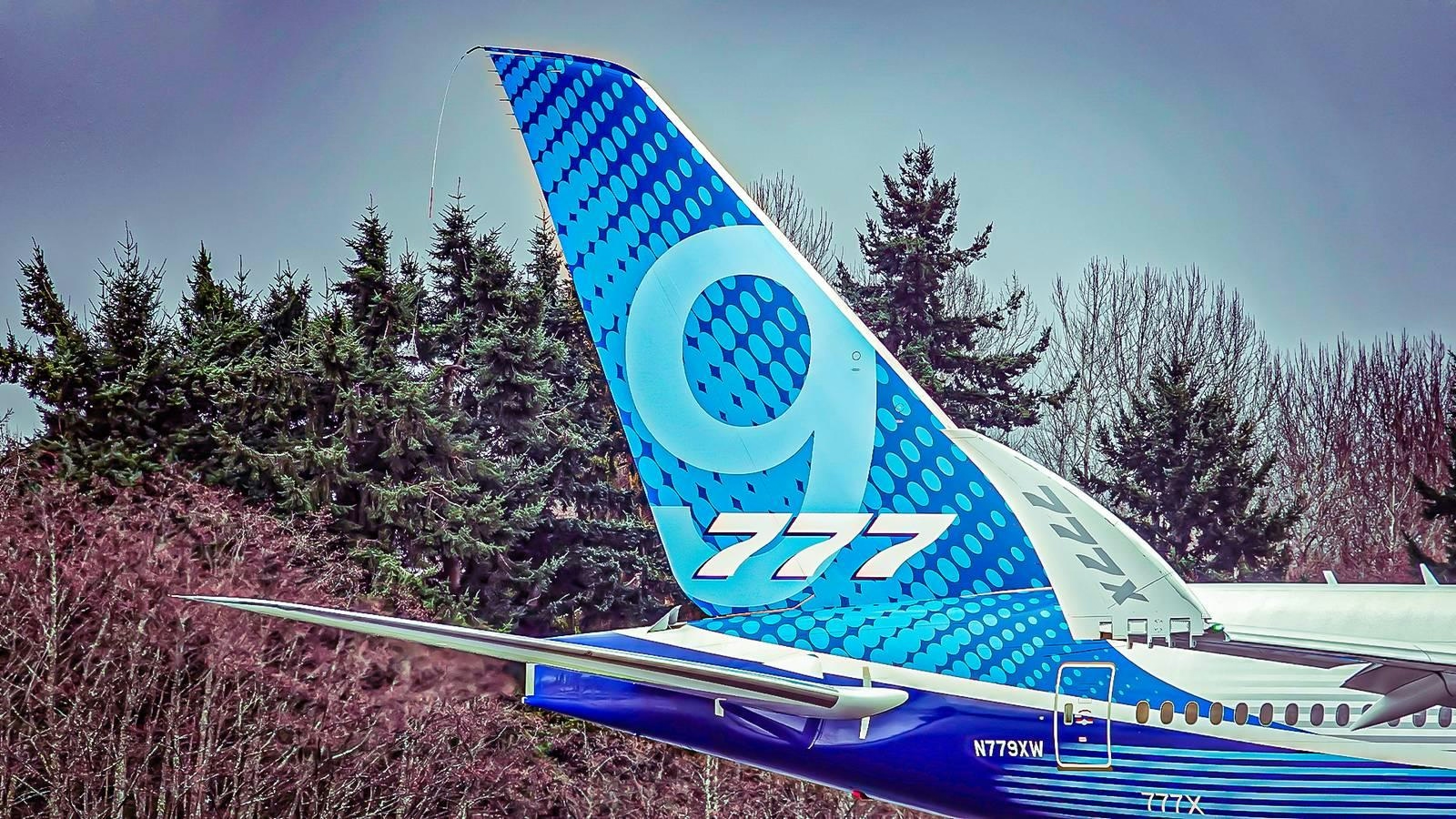
Scandinavian Airlines (SAS) is currently undertaking a significant widebody fleet renewal, with the Boeing 777X among the aircraft under consideration alongside established competitors such as the Airbus A350 and Boeing 787. Despite the 777X’s impressive range and passenger capacity, its suitability for SAS’s network and strategic direction remains uncertain, particularly as the airline undergoes a period of substantial transformation.
Scale and Network Compatibility
The Boeing 777-9, the flagship model of the 777X family, is designed primarily for high-density routes and mega-hubs like Dubai or Doha, where daily passenger volumes can consistently fill its expansive cabin of over 400 seats. In contrast, SAS’s hubs in Copenhagen and Stockholm typically operate routes that are better served by aircraft seating between 250 and 300 passengers. Consistently filling a 400-plus seat aircraft would pose a considerable challenge for SAS, potentially necessitating a reduction in flight frequencies to maintain high load factors. Such a shift could alienate business travelers who value schedule flexibility over aircraft size, thereby undermining a key segment of SAS’s customer base.
Operational and Economic Challenges
Introducing the 777X would also disrupt SAS’s current technical commonality. The airline’s existing fleet includes six Airbus A350-900s, averaging just 3.8 years in service, which efficiently cover its long-haul operations. Incorporating a small sub-fleet of 777X aircraft would require significant investment in pilot training, spare parts, and ground support equipment, particularly due to the 777-9’s distinctive folding wingtips. Unless SAS commits to a fleet size of at least 18 to 20 units, the costs associated with maintaining a separate 777X operation could outweigh the potential benefits, especially if passenger demand does not meet projections.
Market Timing and Competitive Pressures
The timing of any potential 777X order is further complicated by ongoing delivery delays. Boeing’s backlog for the 777X has grown to nearly 600 aircraft, with Singapore Airlines not expected to receive its first delivery until after April 2027. This high demand and delayed availability could affect pricing and delivery schedules for European carriers like SAS, increasing the risk of falling behind in the competitive race for next-generation widebodies. Boeing’s recent surge in orders during April highlights the aircraft’s popularity but also underscores the urgency for airlines to act swiftly or risk missing out.
Strategic Considerations Amid Alliance Shifts
SAS’s decision extends beyond considerations of aircraft size and range to encompass long-term alignment with manufacturers and airline alliances. With Air France-KLM set to increase its stake in SAS to approximately 60.5% by 2026, the airline is transitioning away from its Star Alliance roots toward the SkyTeam alliance. This strategic shift coincides with the pressing need to replace SAS’s aging fleet of eight Airbus A330-300s. Evaluating the A330neo and A350 alongside the 787 and 777X allows SAS to leverage its market position, but operational realities and evolving network strategies suggest that the 777X may be too large and complex for the airline’s current needs.
While the Boeing 777X represents a technological advancement, its scale, cost implications, and market timing present significant challenges for SAS. The airline’s forthcoming fleet decisions will require a careful balance between ambition and operational pragmatism as it navigates a new chapter in European aviation.

FTAI Aviation Rises 6% Following Oversubscribed Aircraft Lease ABS Deal

Iran-linked hackers are now targeting aviation and oil firms through fake job offers, researchers warn
Inside the high-stakes world of private jet catering
Kenya Airways Faces Disruptions Amid Strategic Goods Bill and Supply Chain Challenges

Significant Advancement for Local Aviation

McCormick, aviation industry leaders to attend Aerium Innovation Summit
38 Years After TACA Flight 110’s Emergency Landing at Michoud
Airlines Expand Long-Haul Narrowbody Flights Across the Atlantic
Red Arrows to Operate with Seven Aircraft Until 2030 Due to Aging Engines
Demetrios Bradshaw’s Efforts to Address Challenges in Aviation
