
Orquesta conocimientos de IA para convertirlos en acción

Tendencias
Categories
Airbus Confirms Cancellation of AirAsia X Order for 15 A330-900 Jets
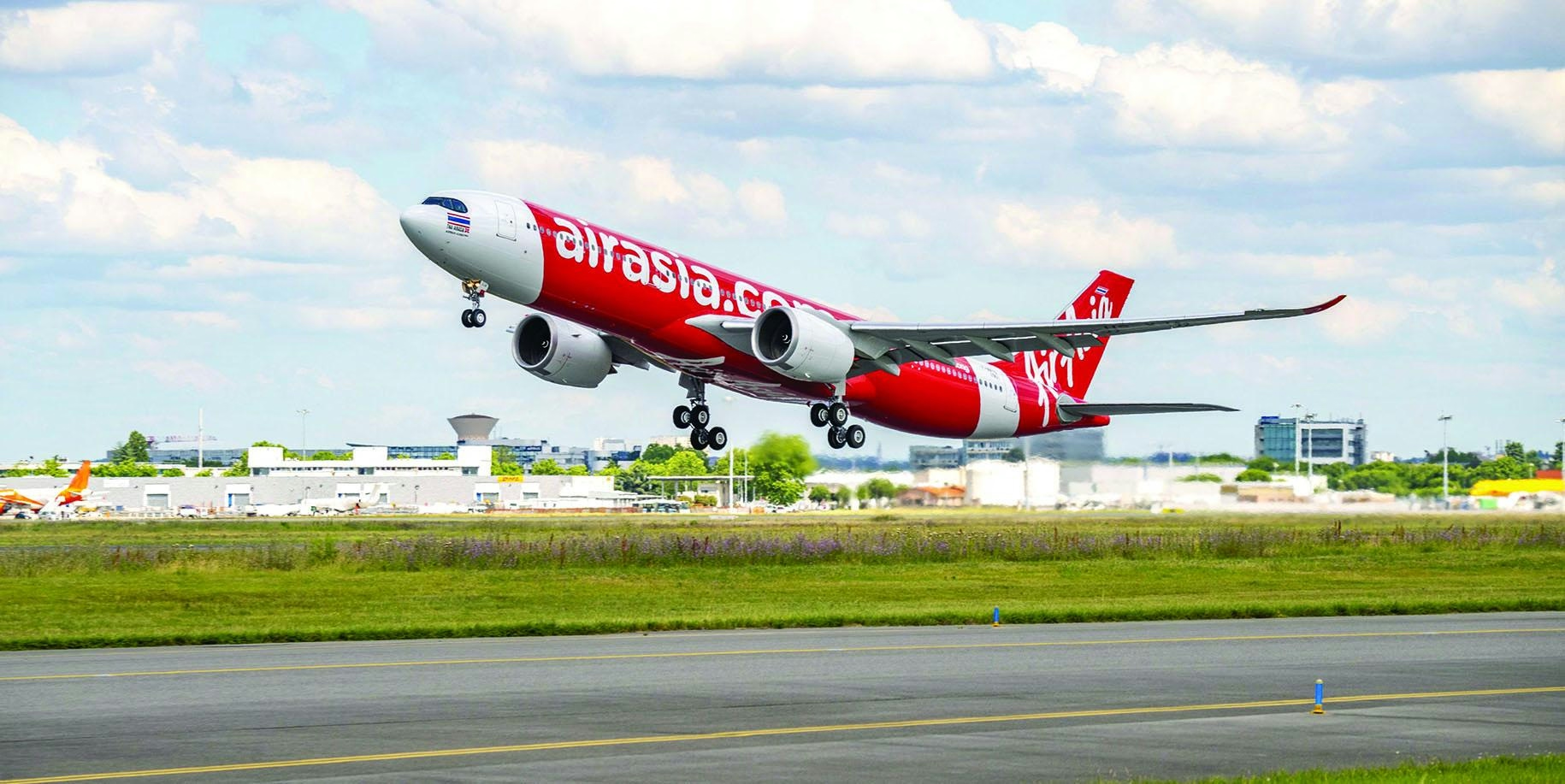
Airbus Confirms Cancellation of AirAsia X Order for 15 A330-900 Jets
Airbus has officially confirmed the cancellation of AirAsia X’s order for 15 A330-900 aircraft, a decision reached through mutual agreement as the airline revises its fleet strategy. An Airbus spokesperson conveyed to Bernama that the cancellation was consensual, while AirAsia X has chosen not to comment on the matter.
Shift in AirAsia Group’s Fleet Strategy
The cancellation reflects a broader strategic shift within the AirAsia Group towards long-range narrowbody aircraft. Earlier this year, the group placed an order for 50 Airbus A321XLR jets, signaling a preference for more versatile and fuel-efficient models to support its network expansion. The A330-900, part of Airbus’s A330neo family, was originally intended to facilitate non-stop services to Europe, including routes between Kuala Lumpur and London. This change underscores the airline’s evolving operational priorities in response to market demands.
Market Context and Industry Challenges
This development occurs amid a complex market environment for Airbus. Despite the cancellation by AirAsia X, Airbus CEO Guillaume Faury has emphasized that there are no widespread signs of jet order cancellations, even as the industry contends with persistent fuel price pressures. Nonetheless, Airbus faces other significant challenges. The company’s shares recently declined following reports of delays in A350 aircraft deliveries. Additionally, supply chain disruptions have affected key customers such as Qantas, which has postponed plans for non-stop flights to London and New York.
While Airbus’s A320-family orders have surpassed 20,000 units, the loss of the AirAsia X order highlights the competitive pressures and shifting preferences within the aerospace sector. Airlines are increasingly favoring flexible, long-range narrowbody jets over larger widebody models, a trend that is influencing manufacturers’ order books and strategic planning.
The cancellation thus illustrates both the changing priorities of airlines in a dynamic aviation landscape and the ongoing challenges faced by aircraft manufacturers as they navigate evolving market conditions and supply chain constraints.
Comparing Cabin Widths of the Airbus A320neo and Boeing 737 MAX
American Airlines Seeks Proposals for Widebody Aircraft Order
Southwest Airlines to Complete Migration to AWS by 2028

Stephens-Owned Aptus Aero Acquires Aviation Repair Firm
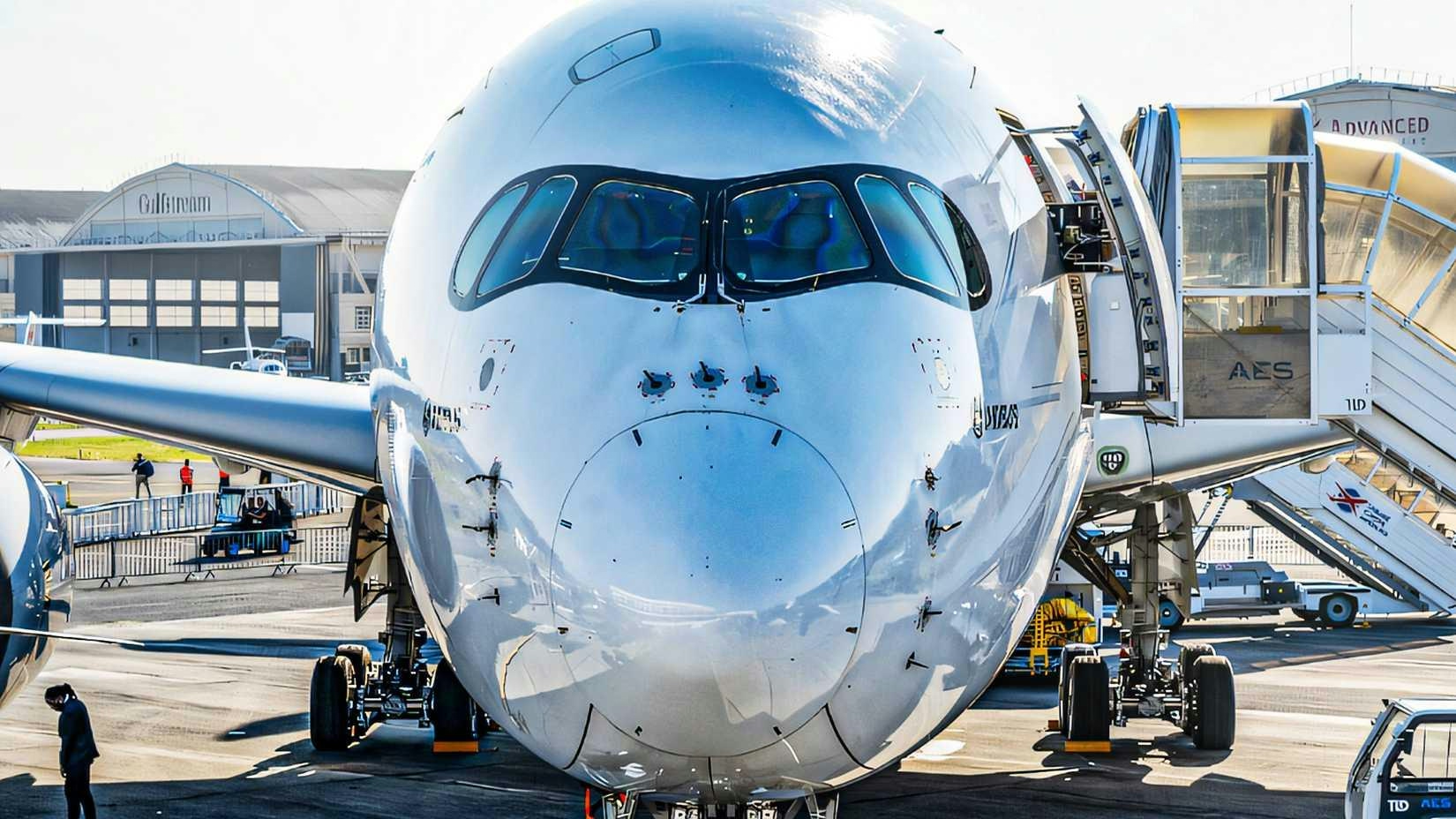
The Aircraft Poised to Replace the World’s First Partial Double-Deck Jetliner

Aviation’s hybrid moment has finally arrived

GE Aerospace Says Aviation Supply Shortages Will Persist Through the Decade

Bolen Emphasizes Innovation at Aviation Safety Conference

Shield AI Completes Initial Test Aircraft Ahead of X-Bat First Flight
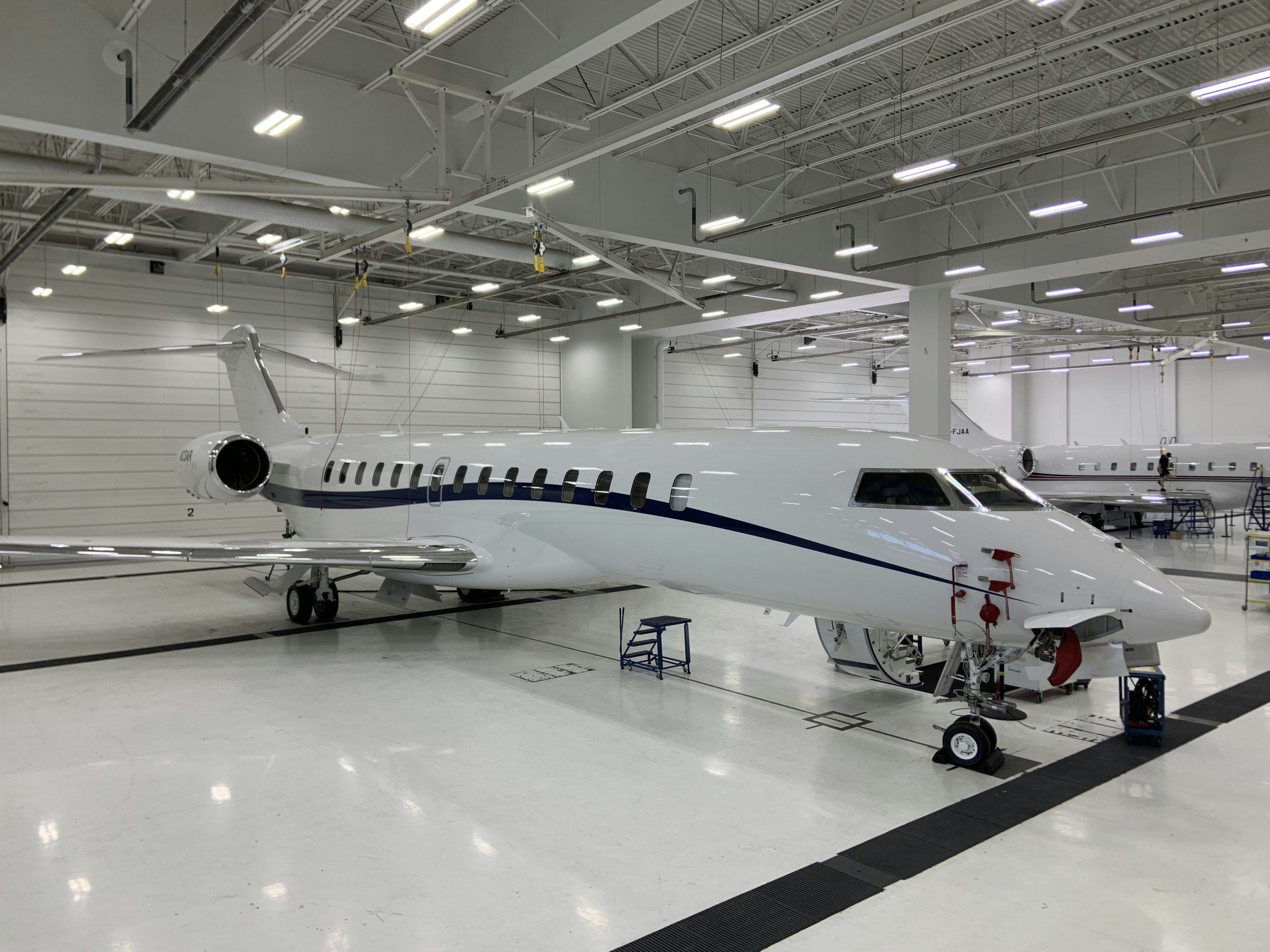
Gulf Wings Receives Bombardier Global 8000 for BUA Group
