
AeroGenie — Tu copiloto inteligente.

Tendencias
Categories
KLM Resumes Service of E195-E2 Jets Following Engine Shortages
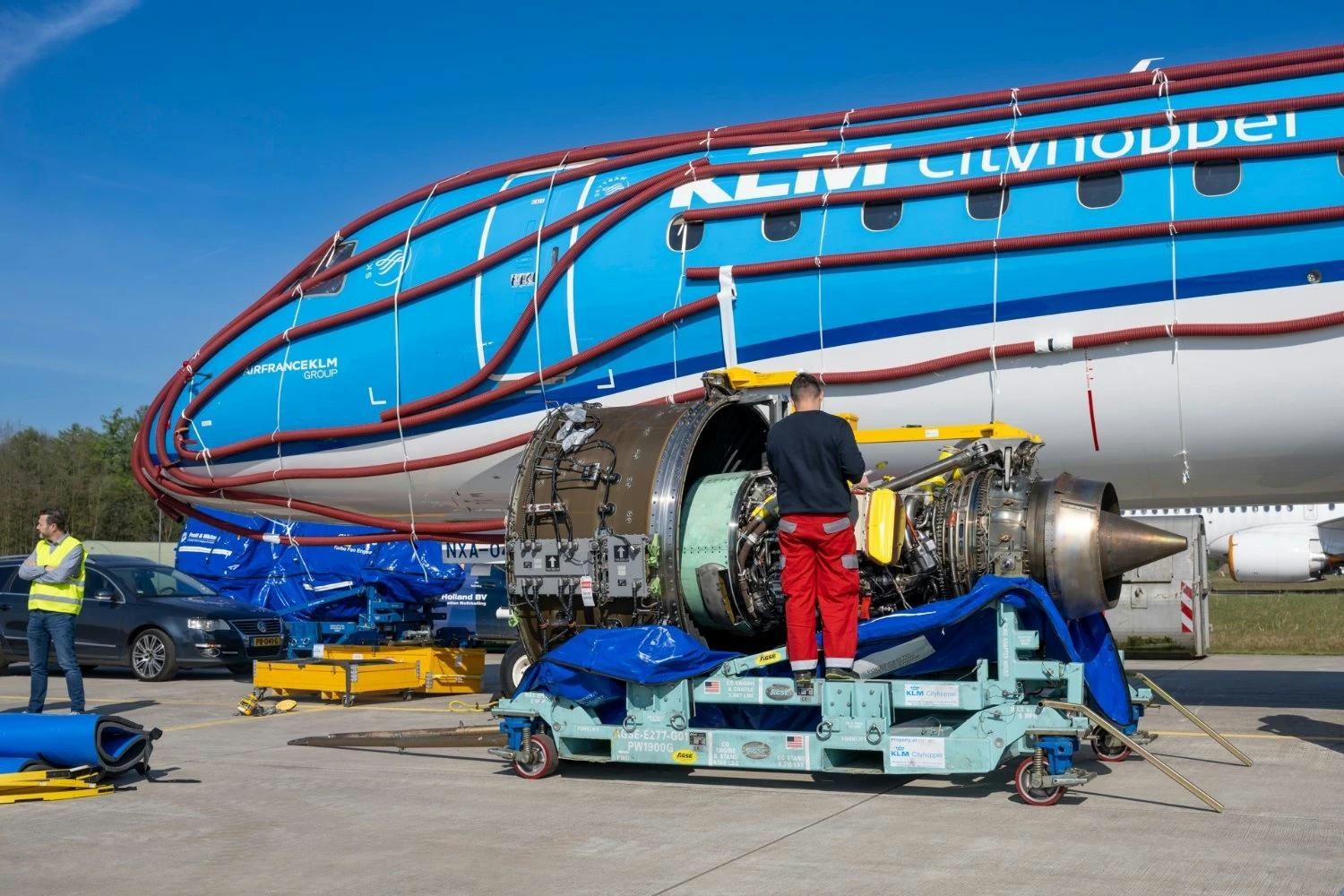
KLM Resumes Operations of E195-E2 Jets Amid Improving Engine Supply
KLM Cityhopper has begun reactivating part of its Embraer E195-E2 fleet following a prolonged grounding caused by a global shortage of Pratt & Whitney geared turbofan (GTF) engines. Earlier this year, the Dutch regional carrier was compelled to park up to six of these jets at Twente Airport due to the scarcity of engines, a disruption that has affected airlines worldwide and particularly impacted the relatively new E195-E2 model.
Aircraft Preservation and Reactivation Process
One of the aircraft, registered PH-NXA, is currently undergoing preparation for a return to service after months in storage. Prior to being grounded, the jet was subjected to a meticulous preservation procedure. This involved removing engines, auxiliary power units, and batteries, followed by wrapping the airframe in protective film—a method KLM refers to as “cocooning”—to safeguard the aircraft from environmental damage during long-term storage.
Reactivating the aircraft requires reinstalling critical components, performing comprehensive technical inspections, and implementing necessary upgrades, including the installation of onboard Wi-Fi. KLM anticipates that this process will take approximately two months before the aircraft can resume commercial operations.
Fleet Context and Market Challenges
KLM Cityhopper operates one of the largest E195-E2 fleets globally, with 25 leased aircraft. The airline introduced the type in February 2021, initially configuring the jets with 132 seats, later increasing capacity to 136 passengers. Alongside the E195-E2s, KLM’s regional fleet includes 22 first-generation E190s and 17 smaller E175s. However, persistent GTF engine issues led to nearly half of the E195-E2 fleet being grounded at various points in early 2023.
The reintroduction of these jets coincides with rising fuel costs, prompting KLM to reduce its European capacity. This strategy aligns with similar measures taken by competitors such as Lufthansa, who are also adjusting operations to mitigate the impact of higher fuel prices. The broader aviation market remains cautious as ongoing supply chain constraints continue to limit the availability of aircraft and engine components. Industry analysts suggest that further capacity adjustments or shifts in fleet strategy may be necessary as airlines navigate the combined pressures of supply shortages and escalating operating expenses.
Currently, two E195-E2 jets are in the process of reactivation, with the remaining parked aircraft expected to return to service later this year as engine availability improves. KLM’s ability to restore full capacity will depend on continued easing of supply constraints and how effectively the airline and its competitors adapt to the evolving economic and operational landscape.
Fuel Shortages Renew Strategic Role of MROs
AACS Acquires B757 Aircraft for Dismantling
Lufthansa Technik Canada Conducts First Live LEAP-1B Engine Event in Calgary
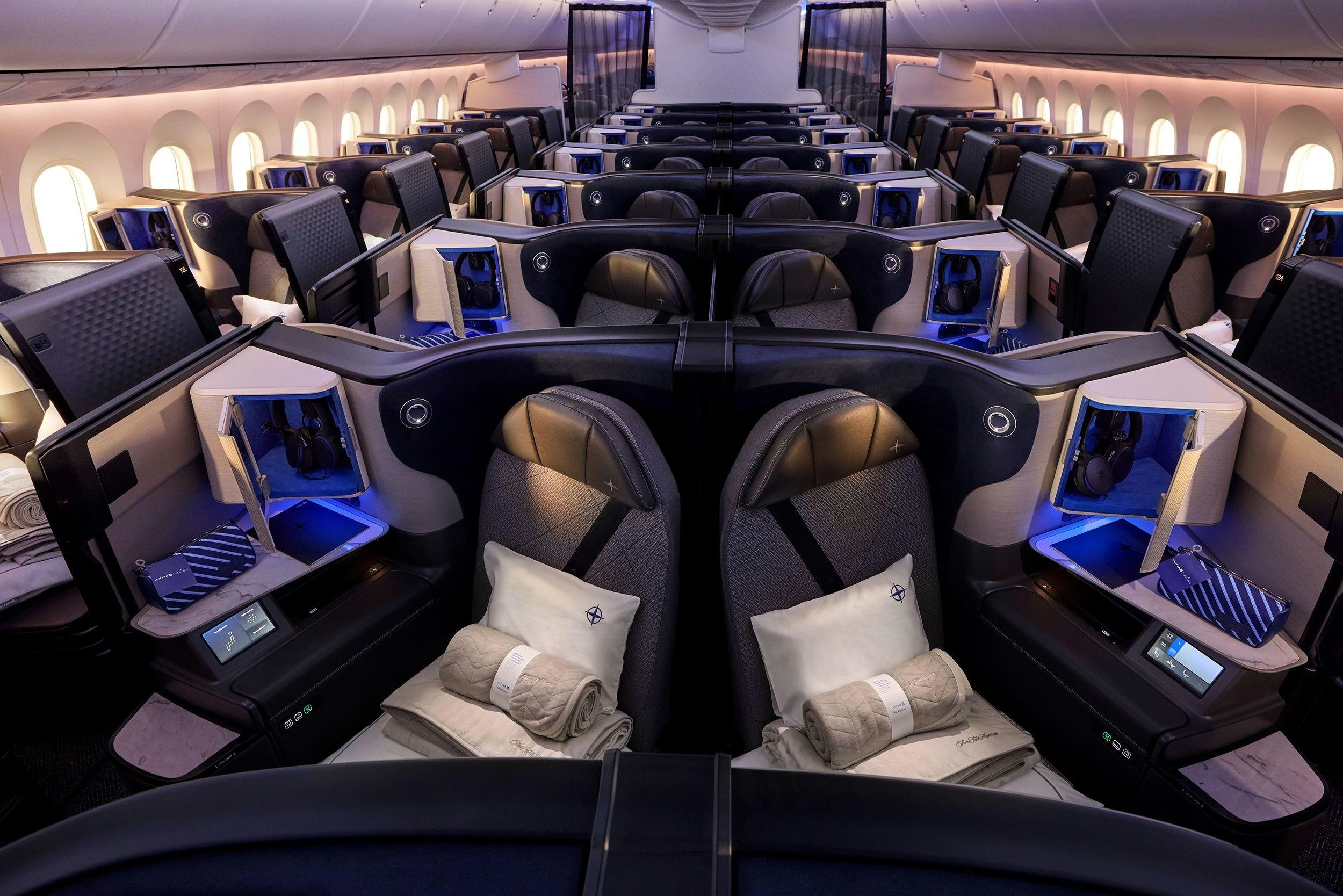
Air India rolls out upgraded cabins, new aircraft and lounges to target premium travellers

Zemo Partnership Launches RFAS Aviation to Enhance Sustainable Aviation Fuel Traceability in the UK
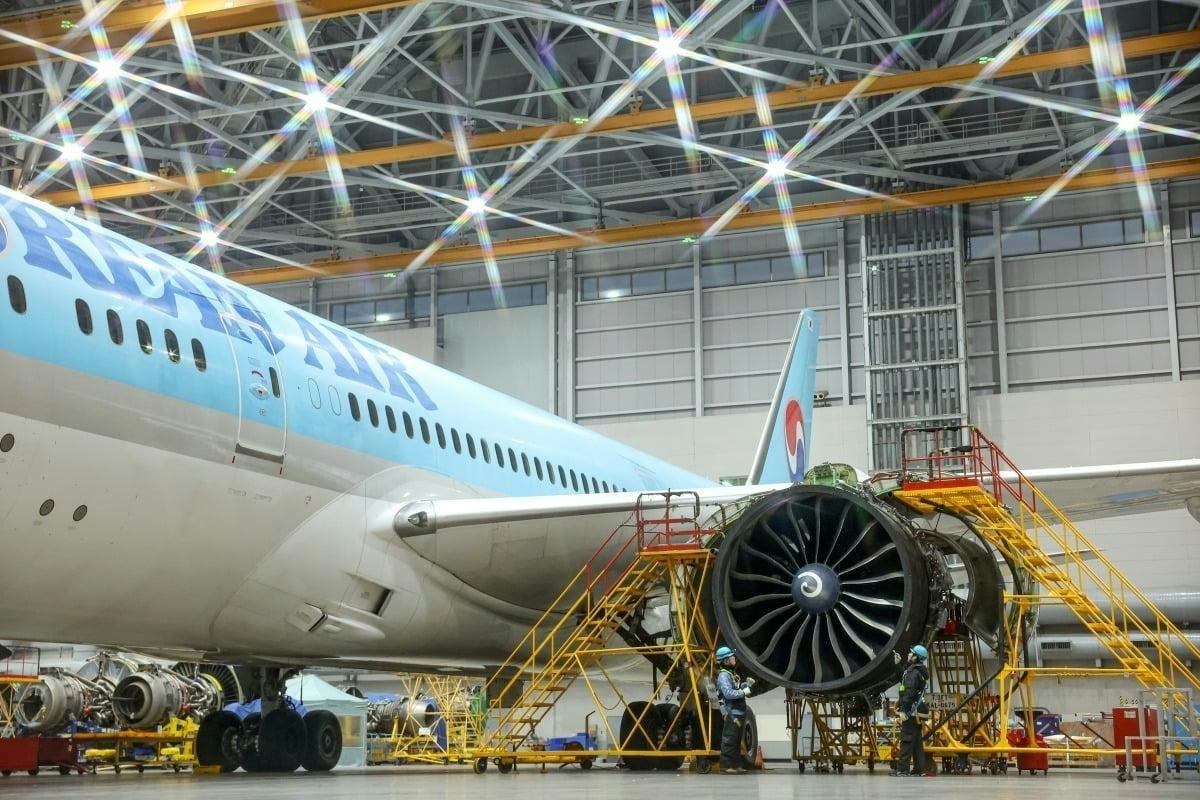
Sacheon Airport Opens International Gateway, Advancing MRO Hub Vision
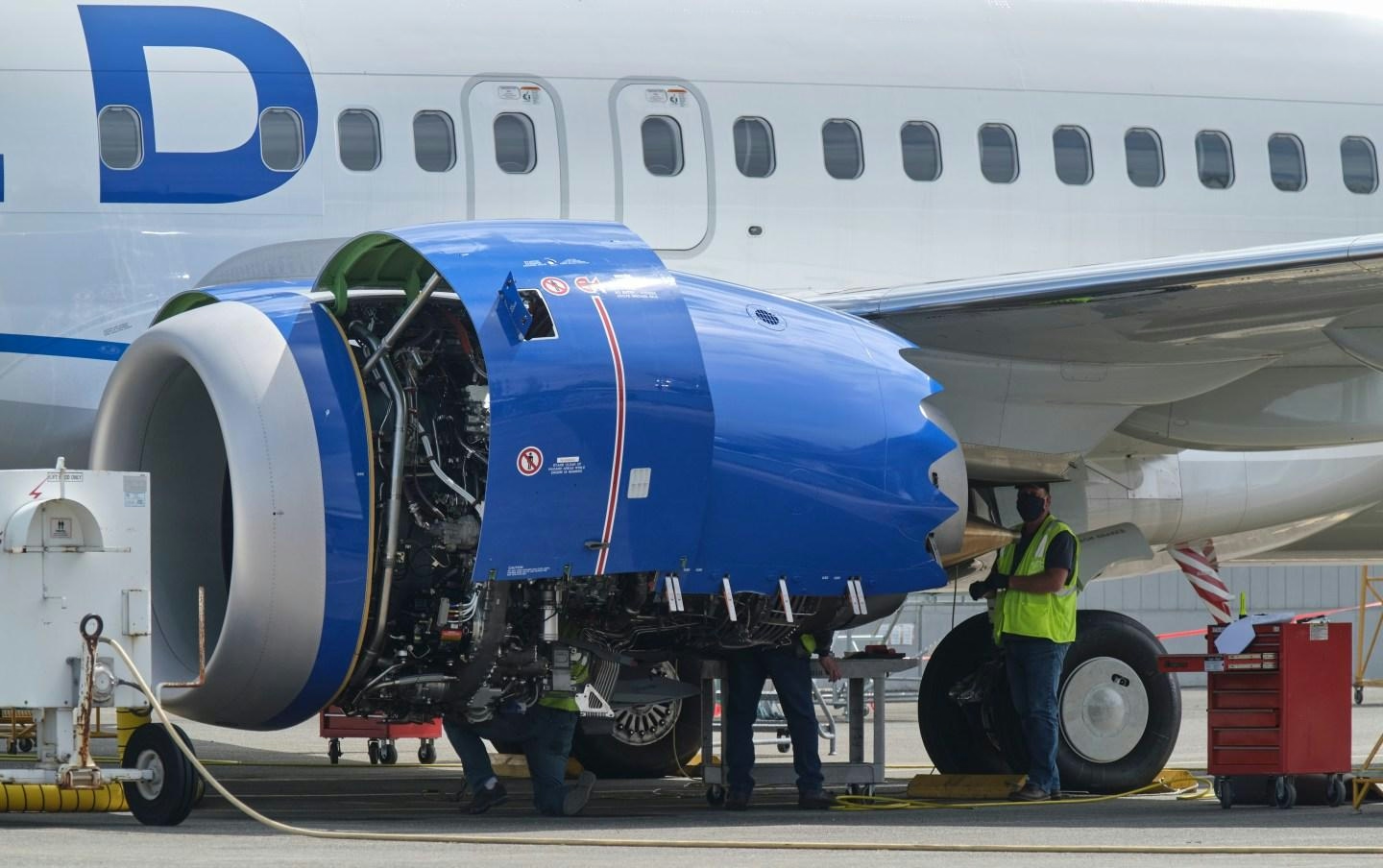
Woodward Inc: Assessing the Strength of Its Aerospace Engine Control Advantage
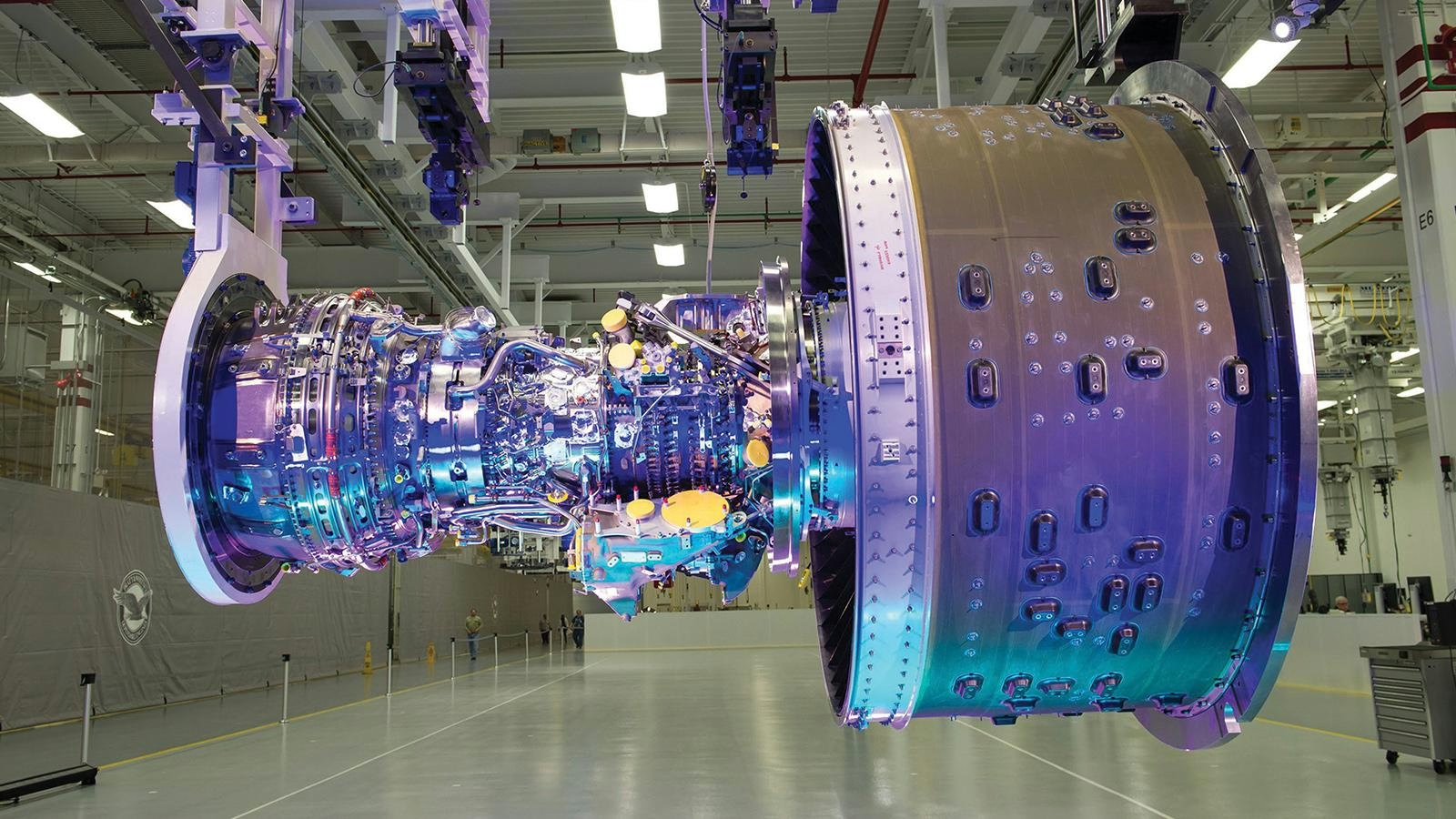
Do Larger Engines Reduce an Aircraft’s Top Speed?
Odysight.ai and GACI Form Alliance to Enhance French Defense Readiness
AutoFlight Conducts First 2-Ton eVTOL Tea Transport Trial in China
