
Orquesta conocimientos de IA para convertirlos en acción

Tendencias
Categories
Understanding Changes in Aviation Insurance

Understanding Changes in Aviation Insurance
Aviation insurance, while often overlooked outside the industry, represents a dynamic and continually evolving sector. Driven by shifting market conditions, updated underwriting standards, and the integration of emerging technologies, professionals in this field face ongoing challenges in securing coverage for a diverse array of aviation-related risks. Unlike some other insurance segments, aviation insurance brokerage remains both resilient and profitable, offering a landscape rich with opportunities and complexities.
Current Market Dynamics and Emerging Challenges
The aviation insurance market is presently navigating a particularly intricate phase. Characterized by a soft yet fragile market environment, it is simultaneously experiencing the introduction of new technologies that enhance underwriting efficiency and an influx of capacity from new market entrants. These positive developments, however, are counterbalanced by rising claims frequency, escalating legal settlement costs, and a growing spectrum of emerging risks.
Several factors are reshaping the risk landscape within aviation insurance. The cost of aircraft and engine repairs has increased significantly, influenced by ongoing supply chain disruptions and the growing complexity of aviation technology. Additionally, the phenomenon of social inflation—marked by higher settlement awards and so-called “nuclear verdicts”—is driving claims costs upward. Beyond these traditional concerns, new threats such as cybersecurity vulnerabilities, geophysical events, and severe weather patterns are adding further layers of risk for aircraft owners and operators.
In response to these evolving challenges, insurers are revising their underwriting approaches. This often results in higher premiums and more stringent policy terms. Some insurers are innovating by developing specialized products tailored to address these novel risks, while others are collaborating to produce clearer and more comprehensive policy wordings. Recent industry data indicates a concerted effort to review and update policies, aiming to reduce ambiguity and better align coverage with the current risk environment.
Distribution Channels in Aviation Insurance
The distribution of aviation insurance to consumers occurs through several distinct channels. Direct-to-consumer sales remain rare, with only one U.S. insurer currently operating a true direct model that bypasses intermediaries. While this approach can reduce costs by eliminating broker commissions, it also restricts consumer choice; policyholders whose needs evolve beyond the insurer’s appetite may find themselves compelled to seek coverage elsewhere.
The majority of domestic aviation insurers distribute their products through agents and brokers. It is important to distinguish between these roles: agents represent the insurer’s interests, whereas brokers owe a fiduciary duty to the client. In practice, nearly all non-captive professionals in aviation insurance function as brokers, which ultimately benefits consumers by prioritizing their needs and preferences.
Another significant distribution mechanism involves Managing General Agents (MGAs). These specialized entities are contracted by insurers to manage underwriting, policy issuance, and occasionally claims handling. MGAs are particularly valuable when insurers enter niche markets where they lack in-house expertise. By combining seasoned underwriting knowledge with modern technological tools, MGAs facilitate the delivery of innovative insurance products tailored to complex aviation risks.
Future Outlook
As the aviation industry continues to advance, its insurance sector will inevitably adapt in tandem. Aircraft owners and operators are advised to remain vigilant regarding market trends, policy developments, and emerging risks. A thorough understanding of how insurers are evolving—through updated policy language, the introduction of new products, and shifting distribution models—will be essential to securing appropriate coverage in an environment marked by rapid change.

Travel Industry Adapts to AI While Preserving Unique Experiences

Canada Joins UK, Australia, and Japan in Issuing Travel Warnings Amid Middle East Fuel Shortages

Kazakhstan and Luxembourg Strengthen Cooperation in Technology, Aviation, and Logistics

China Opens Low-Altitude Rail Transport Hub at Shenzhen North Station Connecting Air Taxis, High-Speed Rail, and Metro

Cathay United Bank Co-Leads $3.7 Billion Financing for SMBC Aviation Capital
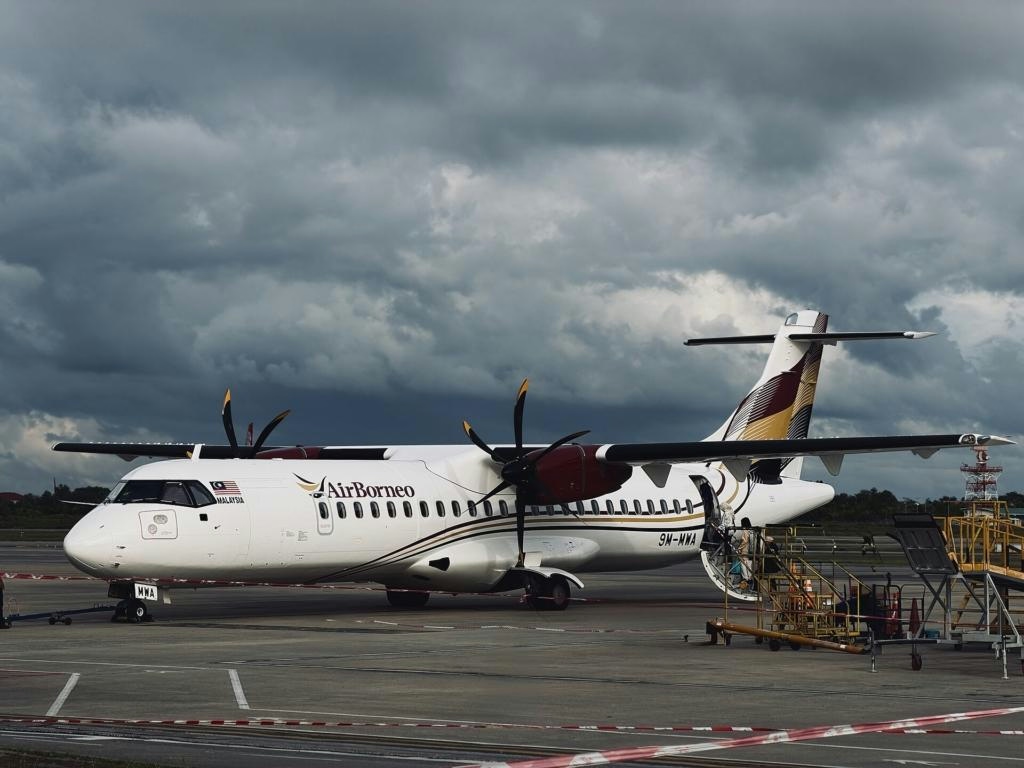
Experts Say Southeast Asia Is Better Suited for Smaller Narrowbody Jets, Benefiting AirBorneo

GE Aerospace’s Korean Crew Supports Japanese Cargo Carrier’s Operations

SR-71 Pilot Recalls Single-Engine Emergency While Flying the U-2 and Blackbird
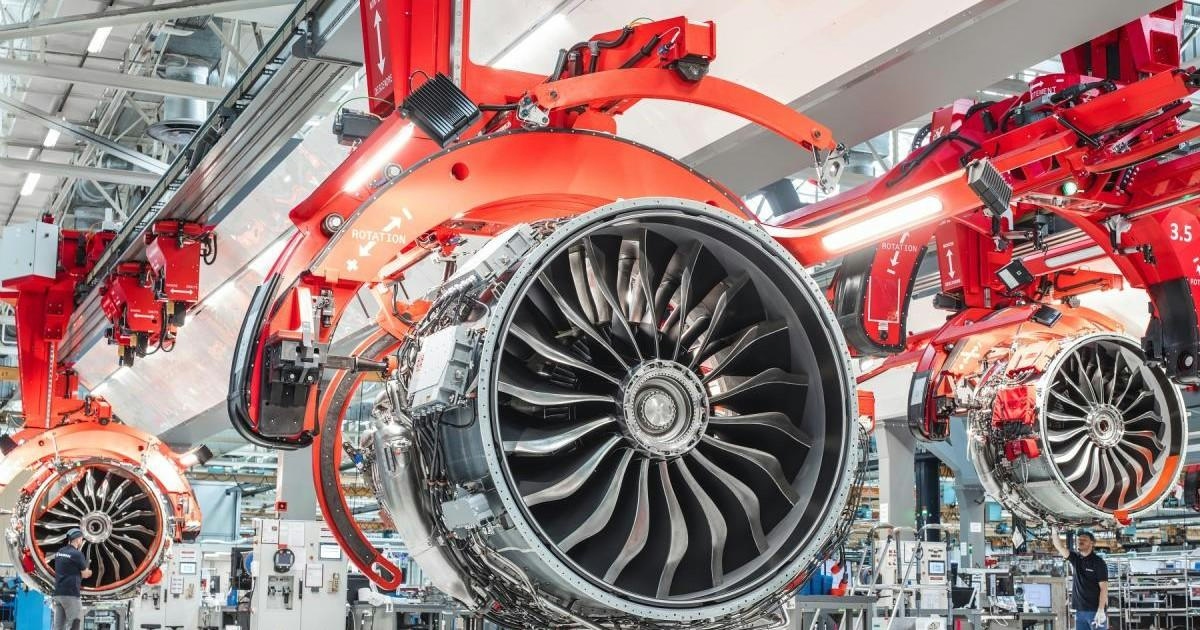
Nigeria to Host Airbus Aviation Hub and Expedite Apache Helicopter Delivery Amid Security Reforms
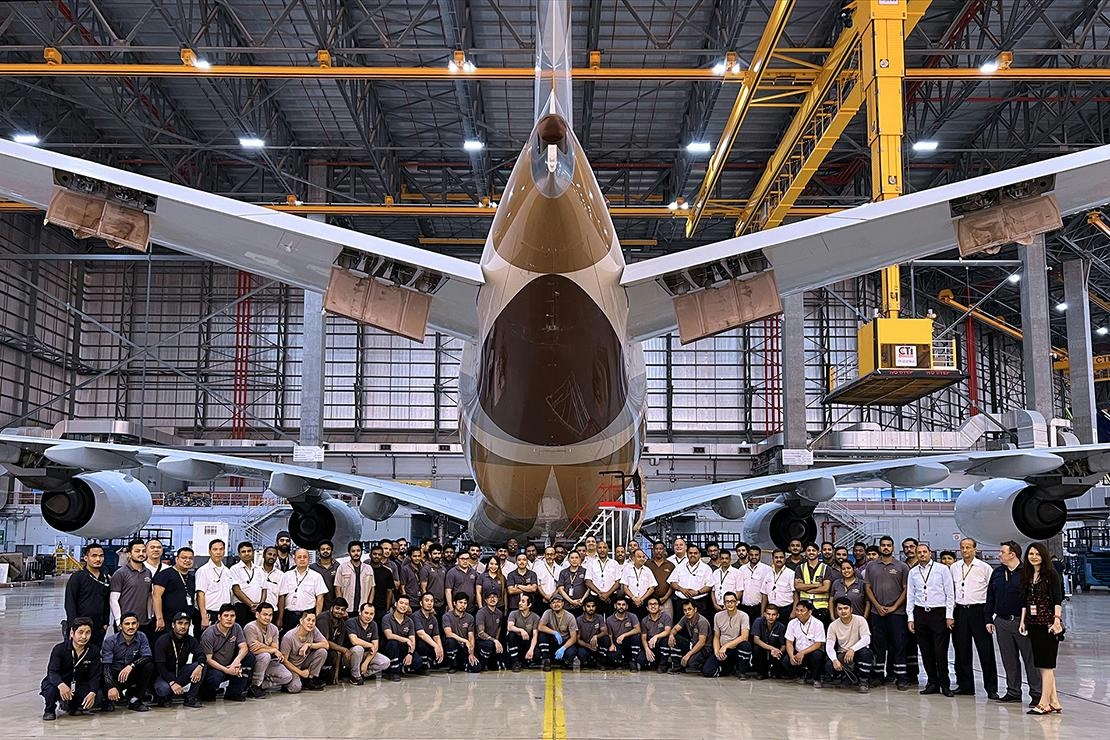
Restoring an Etihad Airways Airbus A380 After Six Years in Storage
