
エアロジニー — あなたのインテリジェントな副操縦士。

現在のトレンド
Categories
Changes in Airline Industry Leadership, Alliances, and AI

Changes in Airline Industry Leadership, Alliances, and AI
The airline industry is undergoing a profound transformation characterized by shifts in leadership, the restructuring of alliances, and the accelerated adoption of artificial intelligence (AI). These developments are fundamentally altering operational strategies, competitive dynamics, and the overall experience for travelers worldwide.
Leadership Transitions and Strategic Shifts
In recent months, several leading airlines have appointed new chief executives, signaling a strategic realignment aimed at addressing evolving market demands. These leadership changes prioritize sustainability initiatives, the enhancement of customer experience, and the rapid integration of technological innovations. However, such transitions are not without challenges. Workforce adjustments and supply chain disruptions have emerged as significant concerns, exemplified by layoffs at companies like Supernal, which underscore the broader industry difficulties in workforce development and training. Investor confidence and business strategies have also been affected, reflecting the market’s response to these leadership shifts as airlines strive to maintain stability and foster growth.
Alliance Restructuring and Market Competition
Airline alliances are being reevaluated and restructured as carriers seek to optimize route networks and improve service offerings. By realigning partnerships, airlines aim to expand their global reach, offer more competitive pricing, and provide passengers with more seamless travel experiences. These strategic realignments are critical for preserving market share amid changing consumer preferences. In response, competitors are forging new partnerships and investing in innovative solutions, intensifying the competition for connectivity and customer loyalty across the industry.
The Growing Role of Artificial Intelligence
Artificial intelligence is increasingly central to airline operations, with applications spanning customer service, flight management, predictive maintenance, and fuel optimization. Airlines are deploying AI-driven chatbots and virtual assistants to streamline customer interactions, enabling faster and more personalized service. While AI promises enhanced efficiency and cost savings, it also presents challenges related to workforce adaptation. The expanding reliance on AI is reshaping job requirements, particularly in areas such as data analysis, cybersecurity, and AI development, compelling both the industry and its workforce to acquire new skills and adjust to evolving roles.
Implications for Travelers
For passengers, these industry changes offer both opportunities and uncertainties. Leadership transitions may lead to improved services and more sustainable travel options, while alliance restructuring can provide more convenient and cost-effective routes. The integration of AI is expected to enhance customer service and create smoother, more personalized travel experiences. Nonetheless, ongoing workforce and operational adjustments may result in transitional periods as airlines implement new strategies and technologies.
Disclaimer: Travel information and restrictions are subject to change based on operational conditions. Travelers are advised to verify details with official sources before planning their trips.
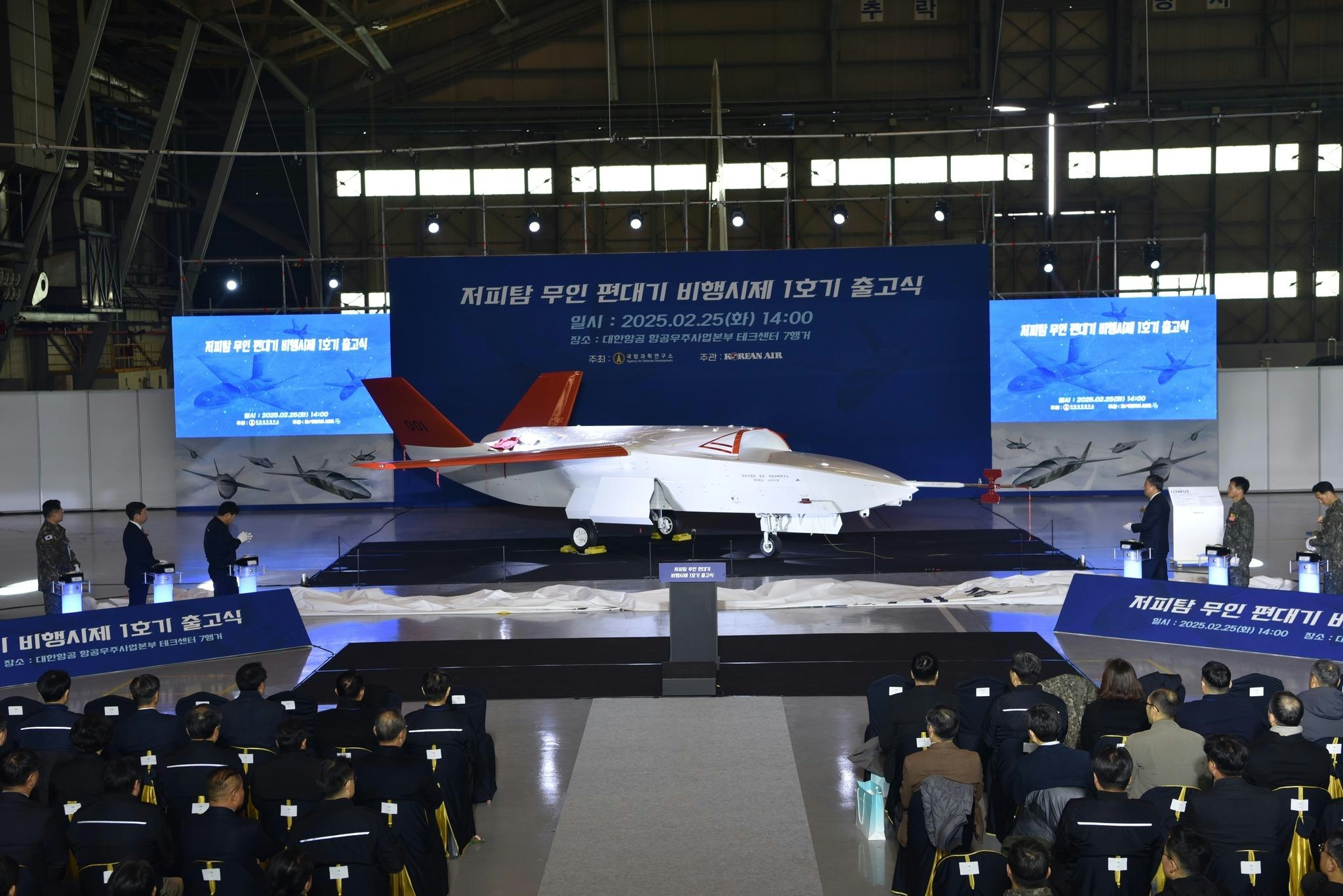
South Korea’s Busan Invests $145 Million in UAV Manufacturing Facility

Shein Partners with DHL to Use Sustainable Aviation Fuel
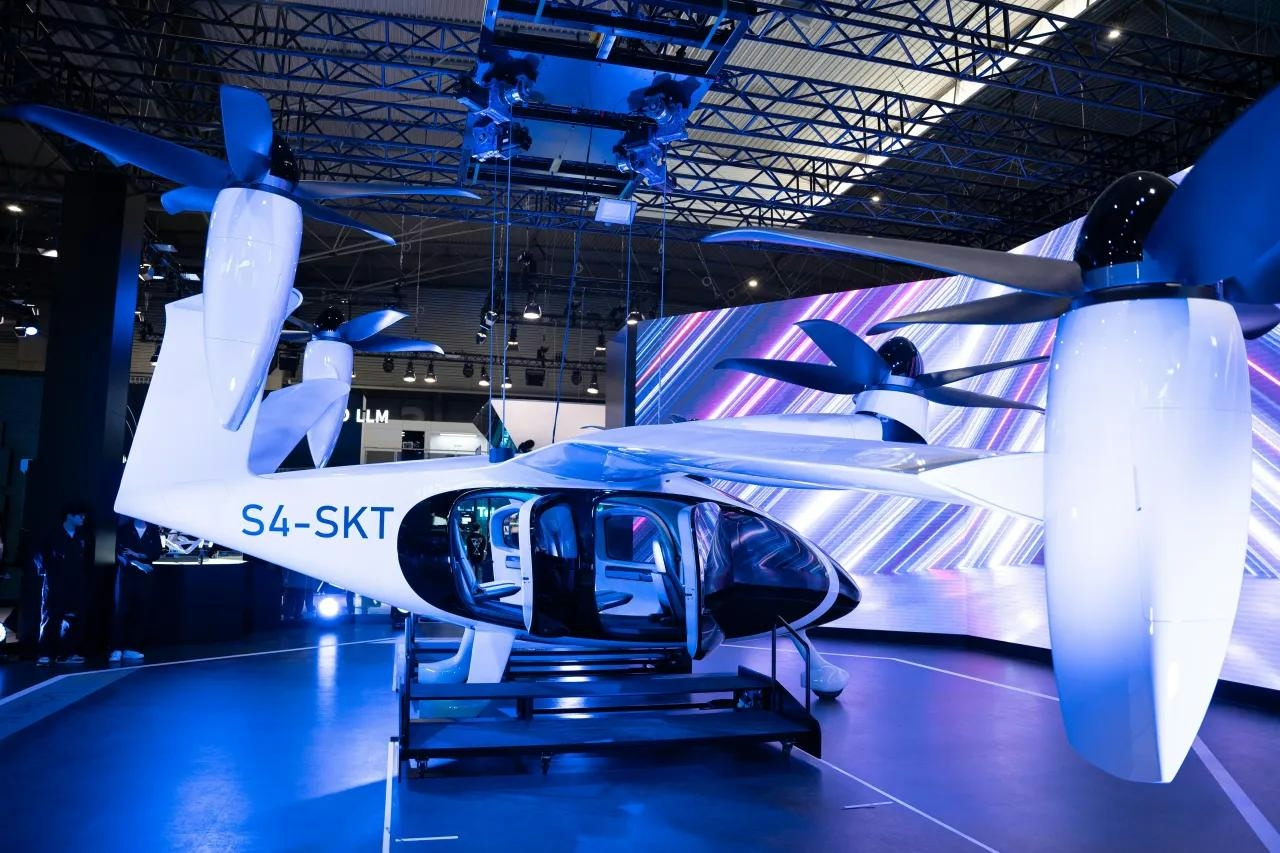
Investor Confidence Declines in Air Taxi Sector for 2026
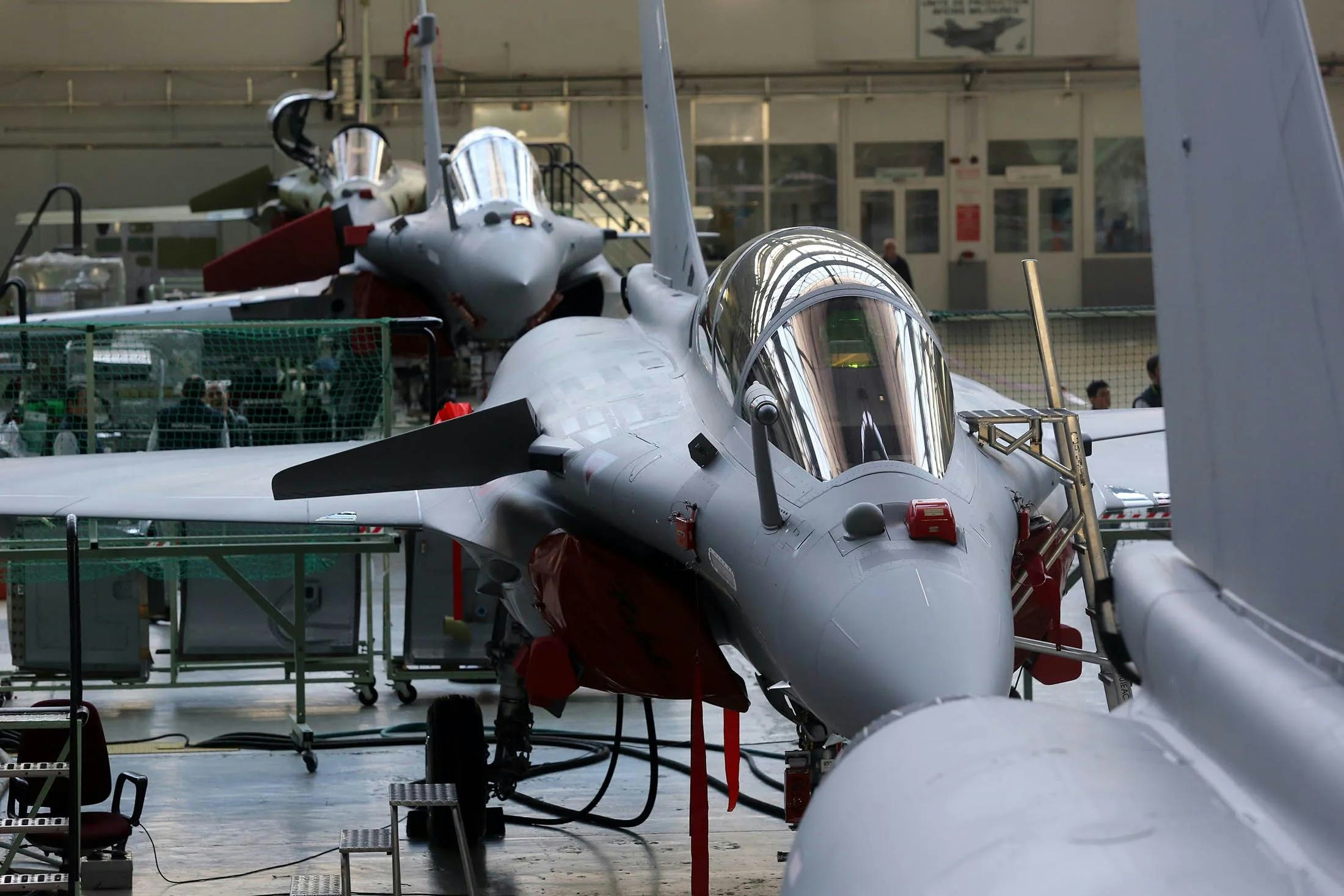
Software Issues Delay Full Delivery of Rafale Jets to India Despite Full Payment
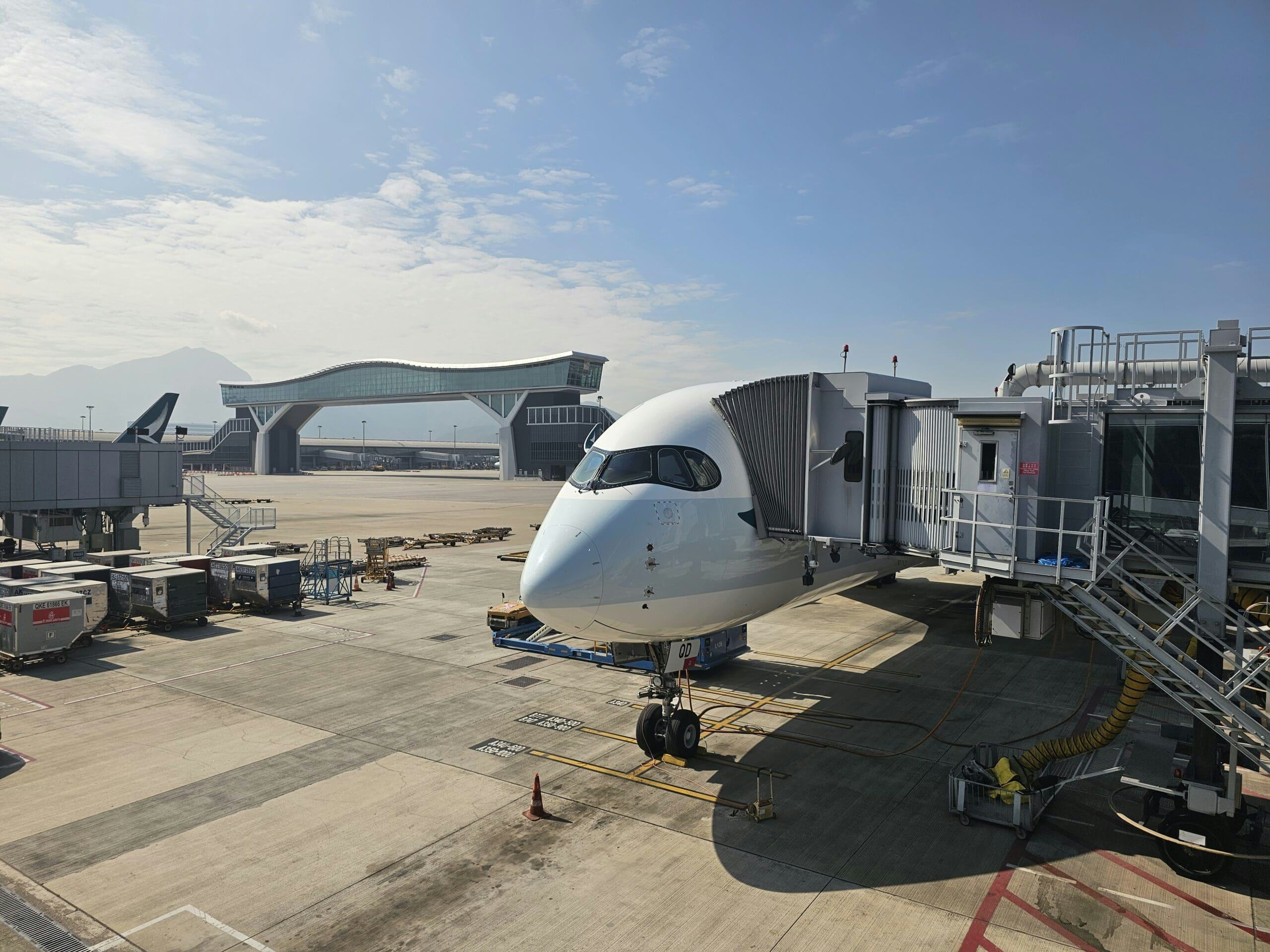
Cathay Pacific Expands Long-Haul Routes Alongside Singapore Airlines, Korean Air, and Emirates
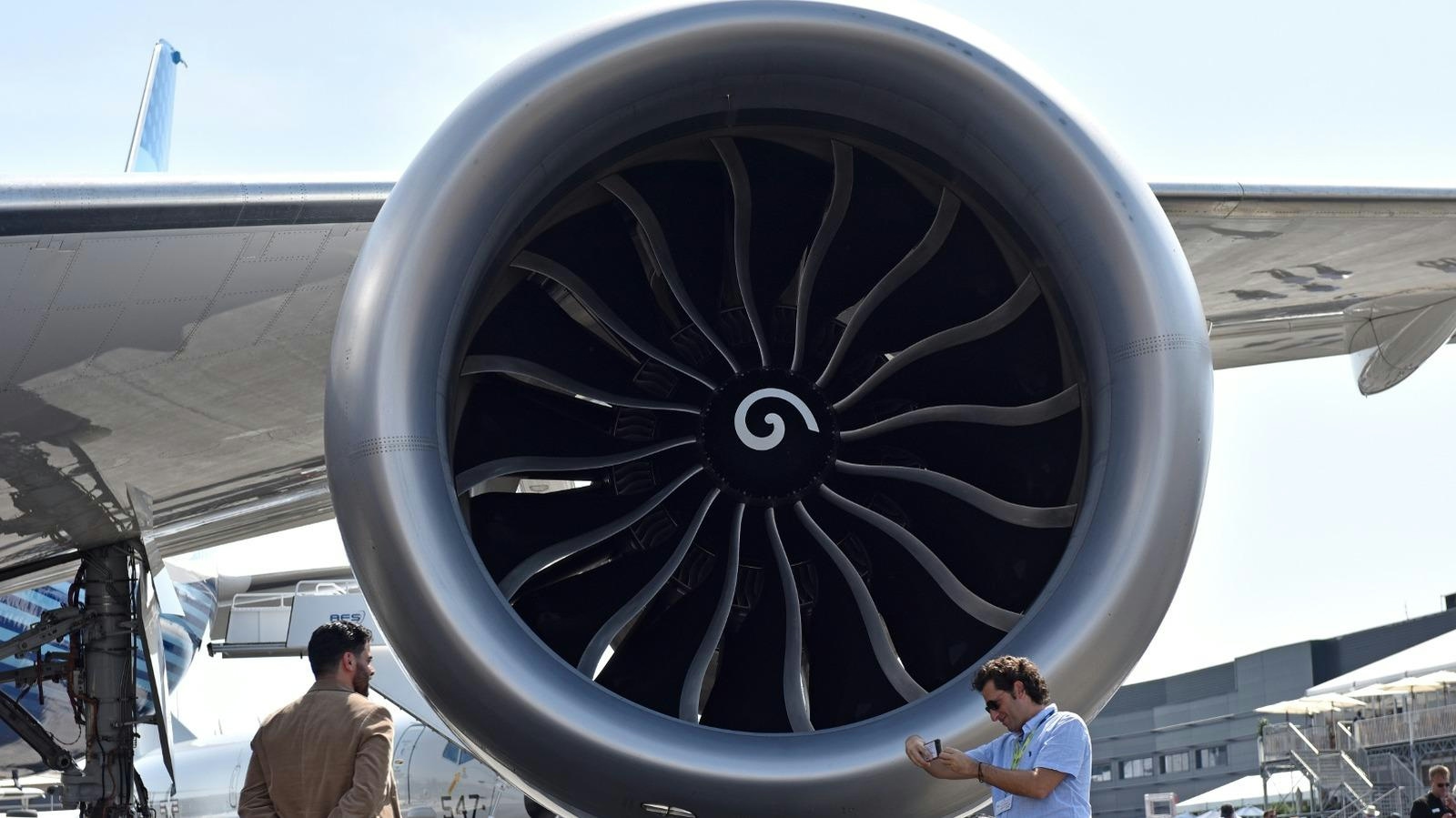
Five Aircraft Equipped with the Most Powerful Jet Engines
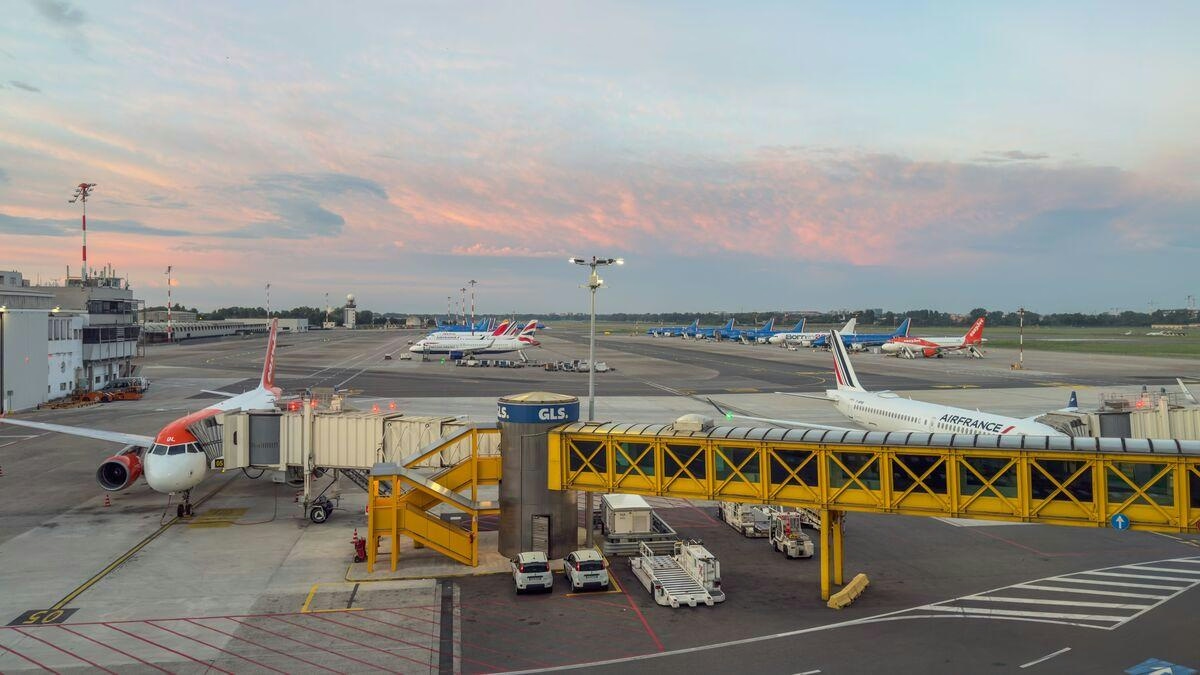
Jet Fuel Shortages Disrupt Flights in Milan, Venice, and Bologna Amid Broader European Supply Issues
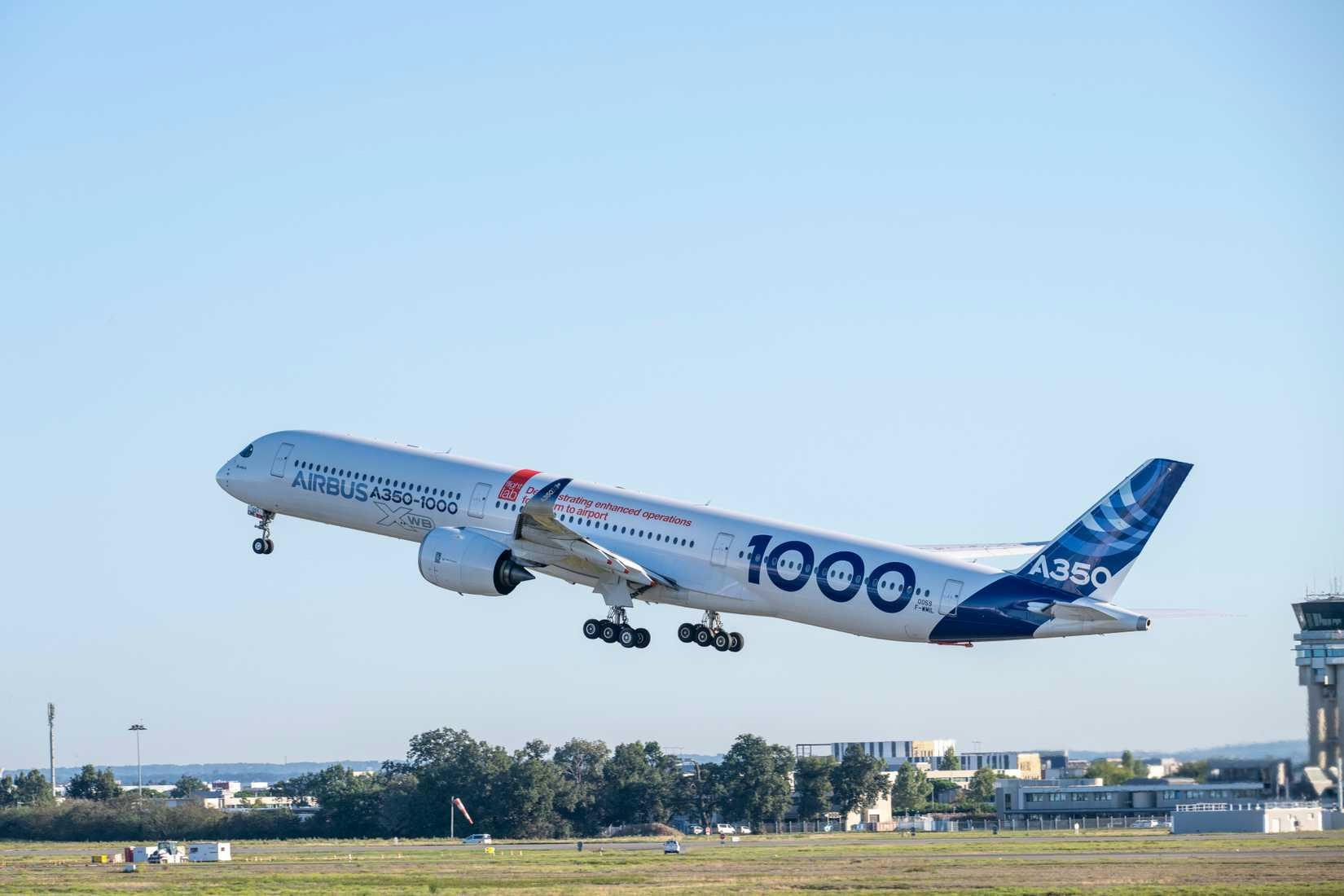
Delta Places First U.S. Order for Airbus A350-1000 Widebody Jets
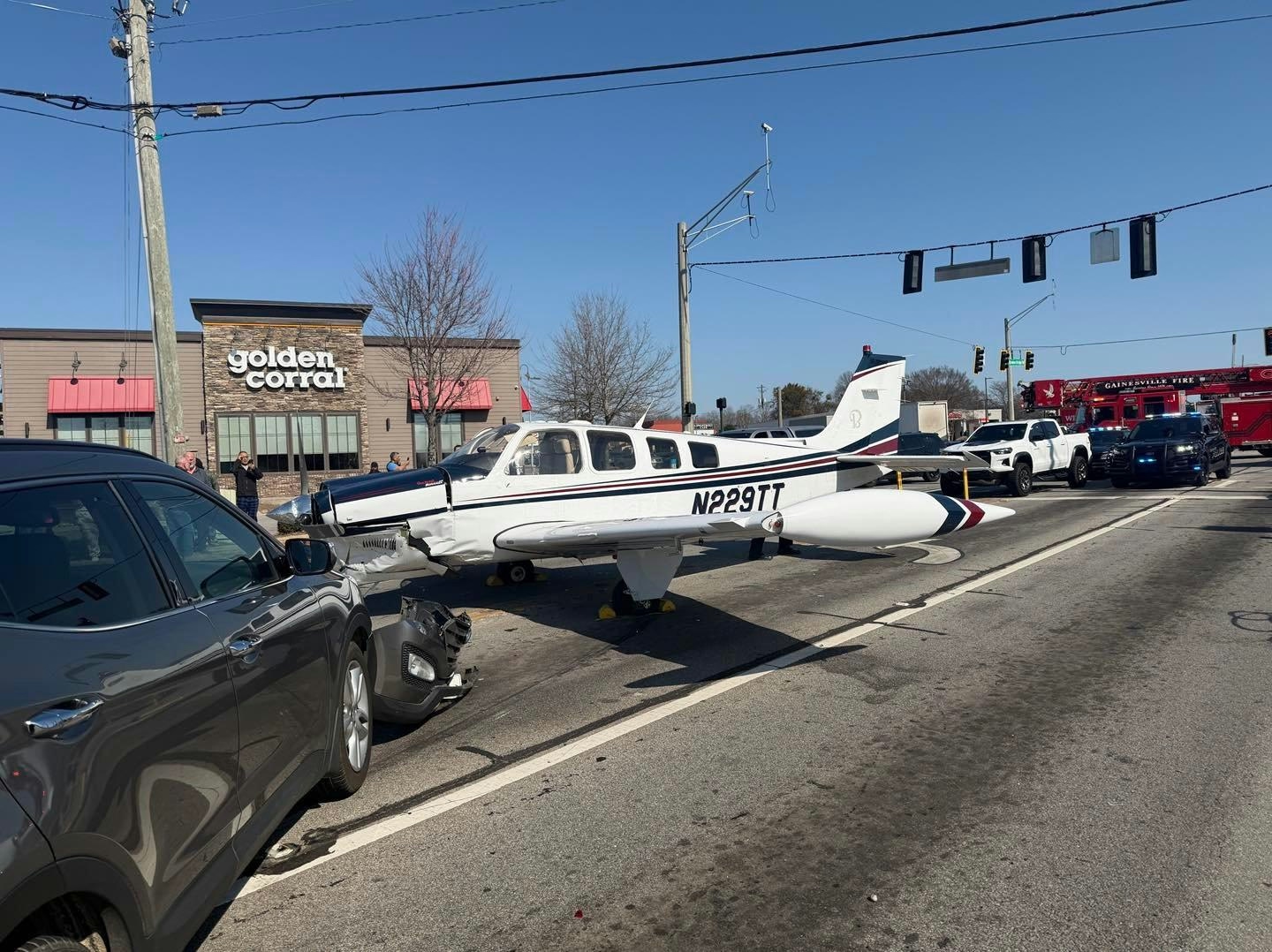
Plane lands on Pennsylvania highway due to ‘engine issues,’ FAA says
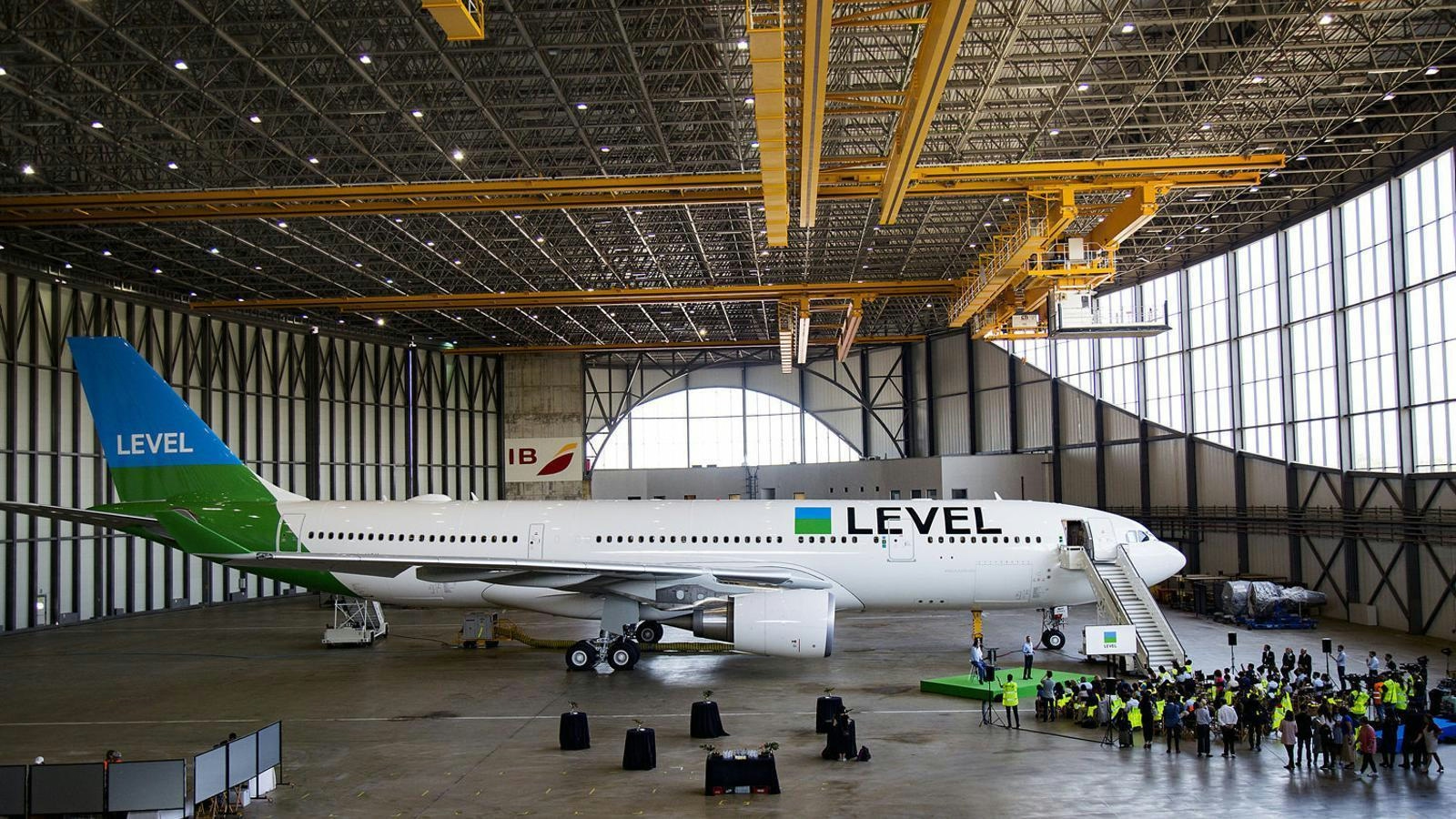
LEVEL Suspends San Francisco Flights Due to Engine Shortage
