
Orchestrate AI insights into action

Trending
Categories
Air India Implements 30 AI Tools to Enhance Fleet Efficiency and Cut Costs
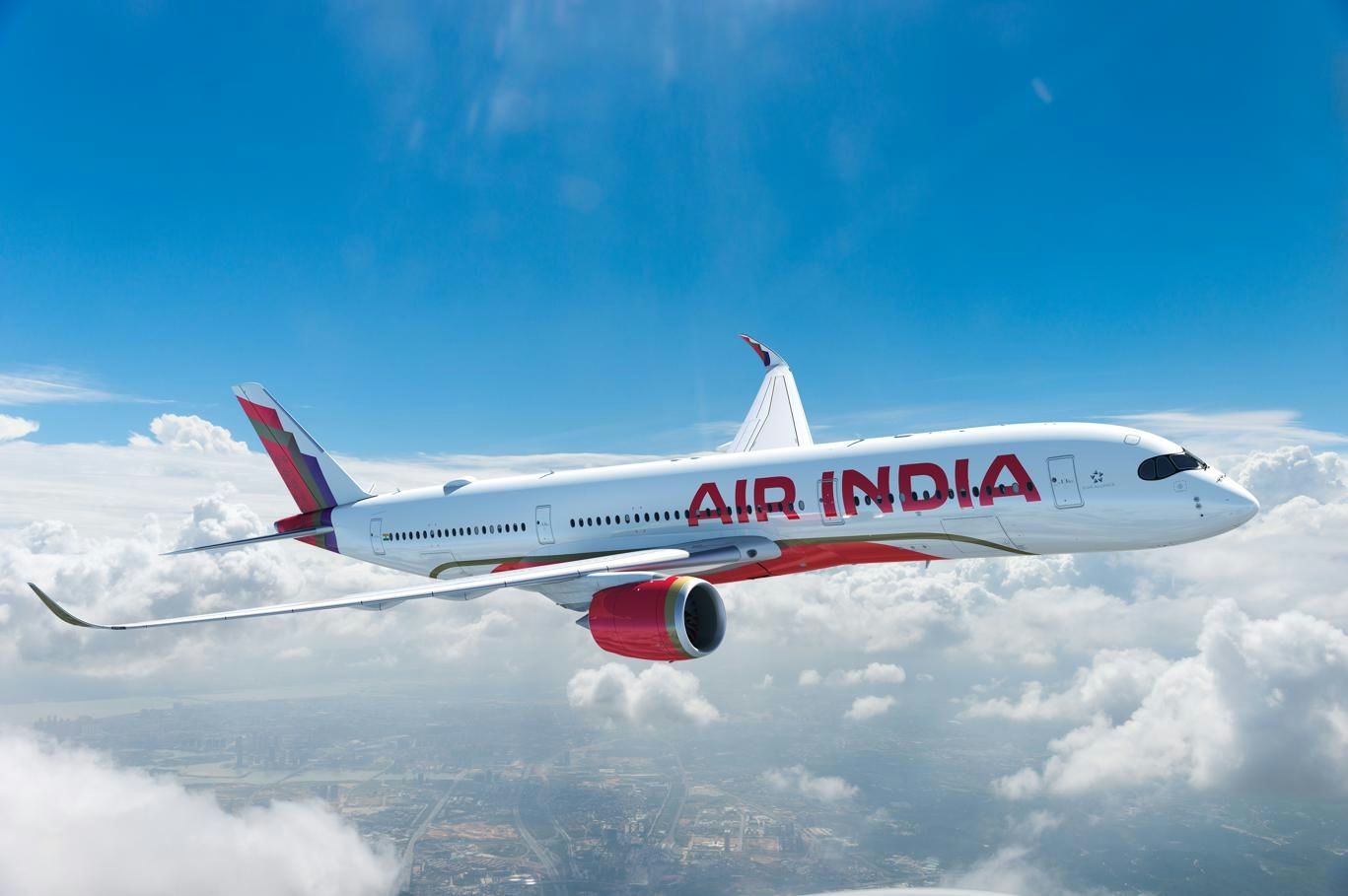
Air India Implements 30 AI Tools to Enhance Fleet Efficiency and Cut Costs
Air India, the national carrier owned by the Tata Group, is undertaking a comprehensive digital transformation by integrating over 30 proprietary artificial intelligence (AI) tools across its operations. This strategic initiative is expected to generate annual savings of nearly ₹100 crore (approximately $12 million), while substantially improving fleet efficiency and elevating customer service standards.
AI-Driven Enhancements Across Operations
The deployment of AI technologies at Air India encompasses key areas such as customer service, fleet management, and crew allocation. By automating routine passenger inquiries, booking modifications, and refund procedures, the airline has successfully reduced call centre traffic by nearly 50%. Generative AI now manages a significant portion of customer interactions, delivering faster and more consistent support for travelers on routes connecting India with major international hubs including London, Frankfurt, and Tokyo.
In fleet operations, AI-powered analytics continuously monitor Air India’s fleet of nearly 300 aircraft, enabling predictive maintenance and early identification of potential disruptions. Real-time data analysis allows operational teams to proactively address issues affecting punctuality, ranging from ground handling to crew readiness, thereby facilitating smoother connections on both domestic and international flights.
Crew management has also been refined through AI-driven models that dynamically assign duties based on factors such as flight duration, mandatory rest periods, and airport schedules. This approach has enabled Air India to efficiently expand capacity as new aircraft are introduced, while ensuring compliance with regulatory requirements, particularly for long-haul flights to Europe, North America, and East Asia. The data-centric system maximizes productivity and operational reliability across the network.
Challenges and Industry Implications
Despite the clear advantages, integrating advanced AI tools into existing airline systems presents notable challenges. Air India must navigate the complexities of seamless technology adoption, maintain stringent data privacy and security standards, and support staff transitioning from traditional workflows to AI-enhanced processes. These efforts coincide with increasing regulatory scrutiny of AI applications in aviation, necessitating strict adherence to evolving compliance frameworks.
The market has responded positively to Air India’s digital strategy, with investor confidence bolstered by the airline’s potential to reduce operational costs and enhance efficiency. This move is also prompting competitors to accelerate their own AI adoption, potentially catalyzing a broader industry shift toward sophisticated AI applications in fleet management and customer service.
Positioning for Global Competitiveness
Air India’s digital transformation aligns closely with the Tata Group’s vision of establishing a world-class, full-service airline. By harnessing AI for predictive maintenance, automated customer engagement, and optimized crew deployment, the carrier is positioning itself as a modern and globally competitive airline. These technological advancements support network expansion while ensuring operational excellence and improved passenger satisfaction amid the complexities of the global aviation landscape.

FTAI Aviation Rises 6% Following Oversubscribed Aircraft Lease ABS Deal

Iran-linked hackers are now targeting aviation and oil firms through fake job offers, researchers warn

Inside the high-stakes world of private jet catering

Kenya Airways Faces Disruptions Amid Strategic Goods Bill and Supply Chain Challenges

Significant Advancement for Local Aviation

McCormick, aviation industry leaders to attend Aerium Innovation Summit
38 Years After TACA Flight 110’s Emergency Landing at Michoud

Airlines Expand Long-Haul Narrowbody Flights Across the Atlantic

Why the Boeing 777X May Not Suit This European Airline

Red Arrows to Operate with Seven Aircraft Until 2030 Due to Aging Engines
