
Orchestrate AI insights into action

Trending
Categories
Air New Zealand and Other Airlines Adjust Schedules at Major Hubs Amid Boeing 787 Engine Issues
Air New Zealand and Global Airlines Adjust Operations Amid Boeing 787 Engine Reliability Challenges
Airlines around the world are confronting significant operational disruptions as ongoing reliability issues with Boeing 787 engines force widespread schedule adjustments and flight cancellations. Major carriers, including Air New Zealand, British Airways, All Nippon Airways (ANA), and LATAM, have been compelled to reroute or suspend long-haul services at key international hubs such as Auckland Airport, London Heathrow, Los Angeles International Airport, and Tokyo Narita. These disruptions are reshaping fleet strategies and prompting a reevaluation of engine procurement decisions across the industry.
The Boeing 787 Engine Reliability Crisis
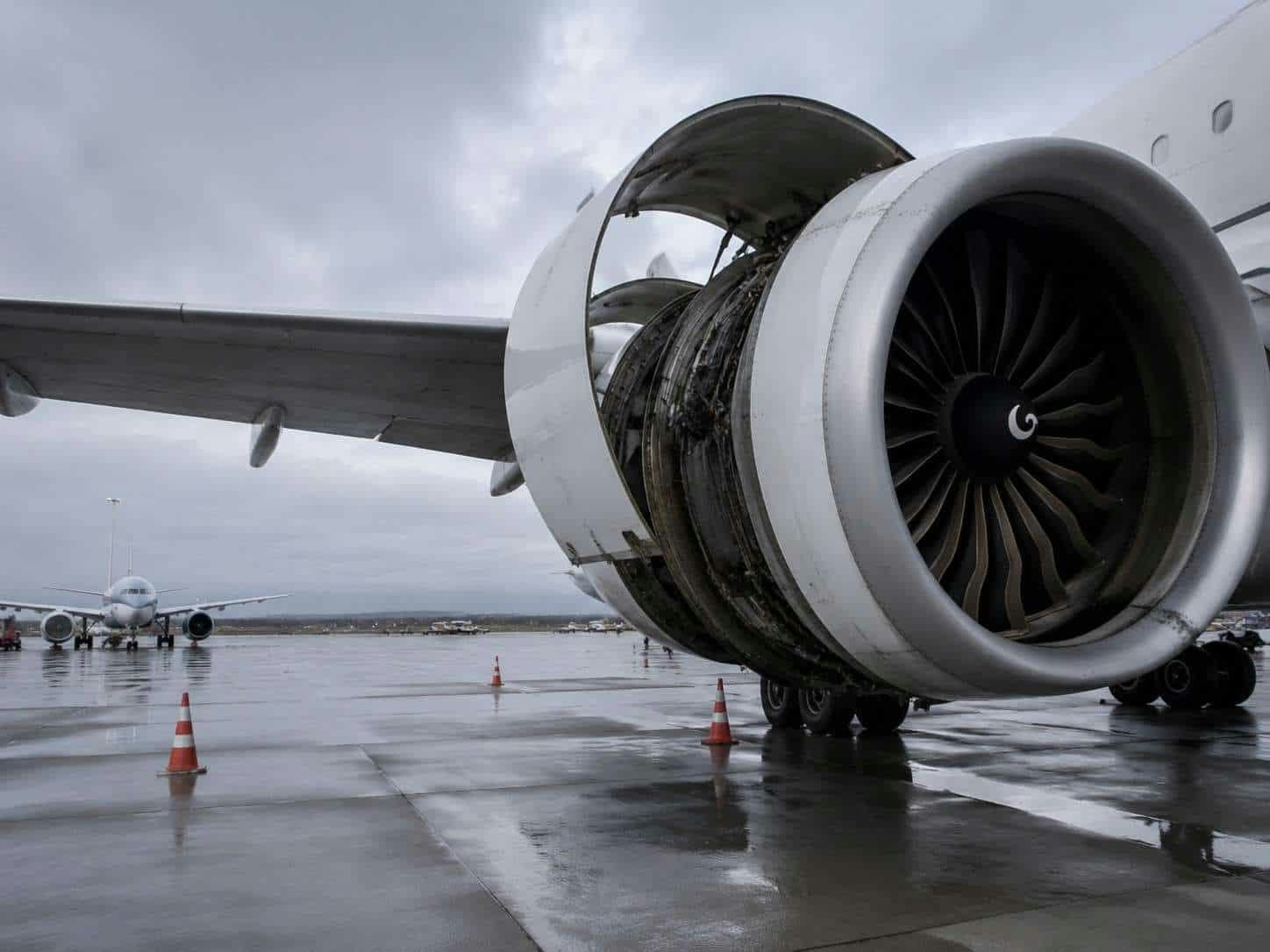
At the heart of the crisis are persistent durability problems with the Rolls-Royce Trent 1000 engines, which power a substantial portion of the global 787 Dreamliner fleet. Aviation regulators, notably the European Union Aviation Safety Agency (EASA), have issued multiple airworthiness directives mandating frequent inspections and component replacements to address premature wear and cracking in critical engine parts. EASA has specifically highlighted the risk of cracks developing in low-pressure turbine blade assemblies, which could lead to in-flight engine shutdowns if not properly managed.
These longstanding technical challenges have resulted in intensified maintenance schedules, unexpected aircraft groundings, and increased operational complexity for affected airlines. The situation is further exacerbated by global supply chain delays for replacement parts and limited overhaul capacity, causing some aircraft to remain out of service for extended periods. In response, airlines are prioritizing aircraft equipped with more reliable and readily available engines, such as the GE Aerospace GEnx-1B, both for current operations and future fleet acquisitions.
Operational and Market Implications
Air New Zealand has been particularly affected by these issues, facing significant aircraft availability constraints and engine maintenance delays that have led to flight cancellations and contributed to a reported net loss in its early fiscal year 2026 results. The airline, which depends heavily on its 787 fleet for international routes, has acknowledged ongoing fleet limitations and plans to introduce GEnx-powered 787s by late 2026 to enhance reliability and restore capacity.
Similarly, British Airways has encountered delays in engine deliveries and has shifted its orders for six new Boeing 787 aircraft from Rolls-Royce Trent 1000 engines to GE GEnx units. The airline’s Chief Technical Officer noted that no engines were delivered on schedule in 2025, underscoring persistent supply chain and reliability challenges.
Other carriers, including ANA and LATAM, have also revised their fleet plans and long-haul schedules in light of these engine reliability concerns. LATAM has recently placed orders for 787s powered by GEnx engines, while simultaneously expressing renewed confidence in the latest Rolls-Royce Trent 1000 XE variant.
These schedule adjustments at major hubs have introduced additional operational costs, increased passenger dissatisfaction, and intensified competitive pressures within the industry. Airlines such as Air New Zealand, which rely heavily on the 787 for international connectivity, remain particularly vulnerable to these disruptions. Meanwhile, competitors like JetBlue appear less affected by the shifting dynamics, and market analysts suggest that heightened scrutiny of airline reliability may influence passenger preferences toward carriers operating more dependable aircraft.
As the industry continues to navigate these challenges, reliance on GEnx-powered 787s is expected to grow, with airlines seeking to stabilize their networks while maintaining safety and reliability in global air travel.

FTAI Aviation Rises 6% Following Oversubscribed Aircraft Lease ABS Deal

Iran-linked hackers are now targeting aviation and oil firms through fake job offers, researchers warn

Inside the high-stakes world of private jet catering

Kenya Airways Faces Disruptions Amid Strategic Goods Bill and Supply Chain Challenges

Significant Advancement for Local Aviation

McCormick, aviation industry leaders to attend Aerium Innovation Summit

38 Years After TACA Flight 110’s Emergency Landing at Michoud
Airlines Expand Long-Haul Narrowbody Flights Across the Atlantic

Why the Boeing 777X May Not Suit This European Airline

Red Arrows to Operate with Seven Aircraft Until 2030 Due to Aging Engines
