
Orchestrate AI insights into action

Trending
Categories
American Airlines Considers Larger Aircraft and More Frequent Flights on Key Routes
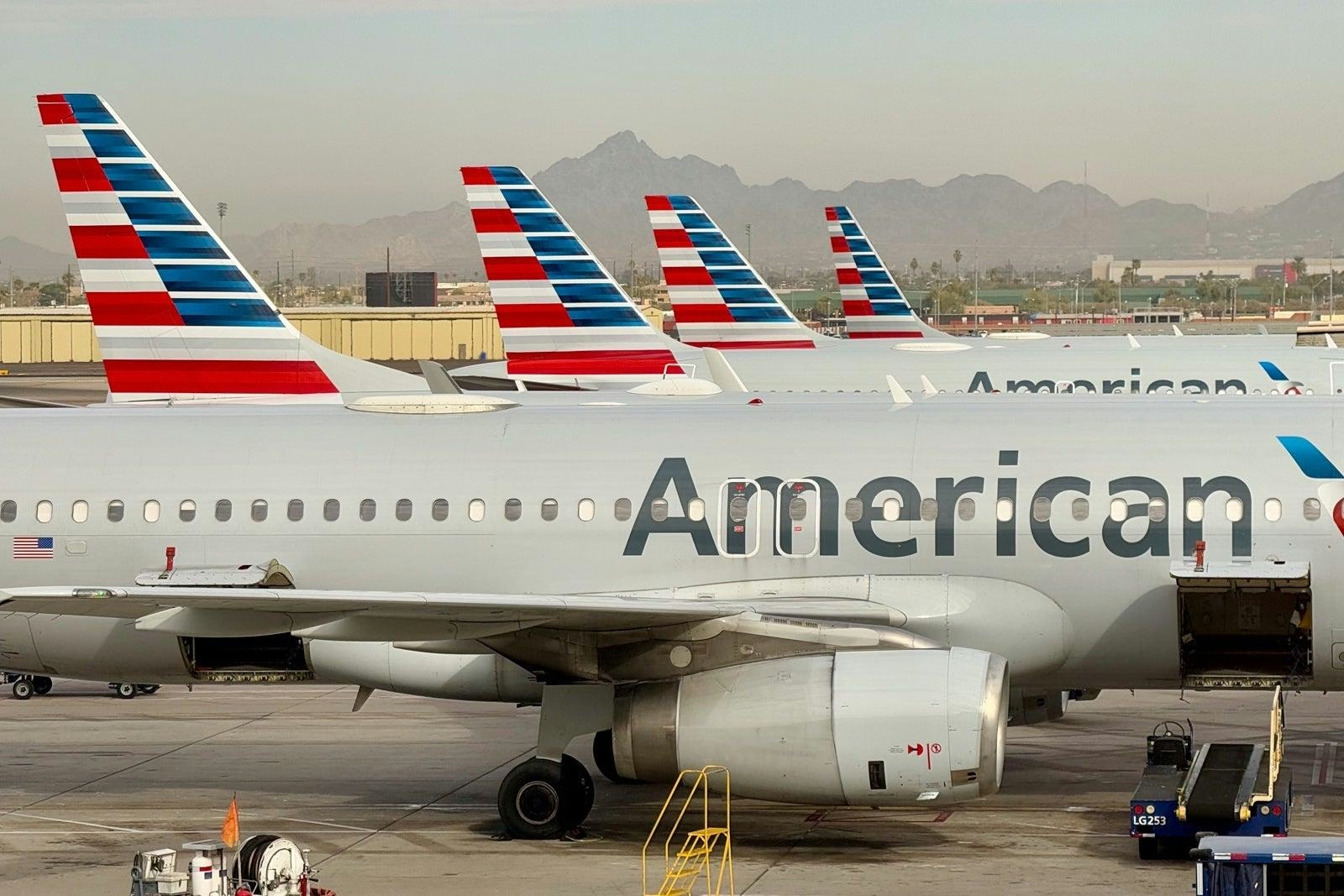
American Airlines Considers Larger Aircraft and Increased Flight Frequency on Key Routes
American Airlines is undertaking a strategic review of its fleet composition and route network to better align with the recovering demand in the aviation sector and to enhance its competitive positioning. The airline is focusing on addressing capacity shortfalls on high-traffic routes by optimizing fleet deployment and improving operational efficiency. Central to this effort is the potential replacement of smaller regional jets with larger narrow-body aircraft such as the Airbus A321neo, alongside the introduction of wide-body planes like the Boeing 787 Dreamliner on transcontinental flights to increase passenger capacity.
Competitive Pressures and Fleet Expansion
This strategic reassessment comes amid intensifying competition from Delta Air Lines and United Airlines, both of which have been expanding their wide-body fleets aggressively to secure a larger share of profitable international markets. American’s comparatively slower acquisition of new wide-body aircraft has raised concerns about its ability to sustain growth abroad and maintain market share on key international routes. In an effort to bolster its European presence, American recently announced new services from Philadelphia to Budapest and Prague. Nonetheless, industry analysts remain skeptical about whether these route additions will sufficiently counterbalance the advances made by its rivals.
The competitive environment has been further complicated by reports suggesting that United’s CEO has proposed a potential merger with American Airlines. Such a consolidation would likely encounter rigorous regulatory scrutiny due to fears of diminished competition, increased fares, and reduced consumer choice.
Operational Optimization and Strategic Planning
Internally, American Airlines is closely monitoring the allocation of takeoff and landing slots at its hub airports to maximize asset utilization. The airline aims to enhance daily aircraft deployment and streamline transfer connections to improve overall efficiency. This capacity evaluation involves coordinated efforts across network planning, fleet management, and revenue optimization divisions. Final decisions will be informed by a thorough analysis of market trends and financial performance metrics.
As American Airlines deliberates its next strategic moves, industry observers and travelers alike are watching closely. The airline’s ability to adapt effectively will be pivotal in maintaining its standing within an increasingly competitive global aviation market.

Ethiopian Airlines Launches Emergency Fuel Strategy Amid Rising Jet Fuel Volatility
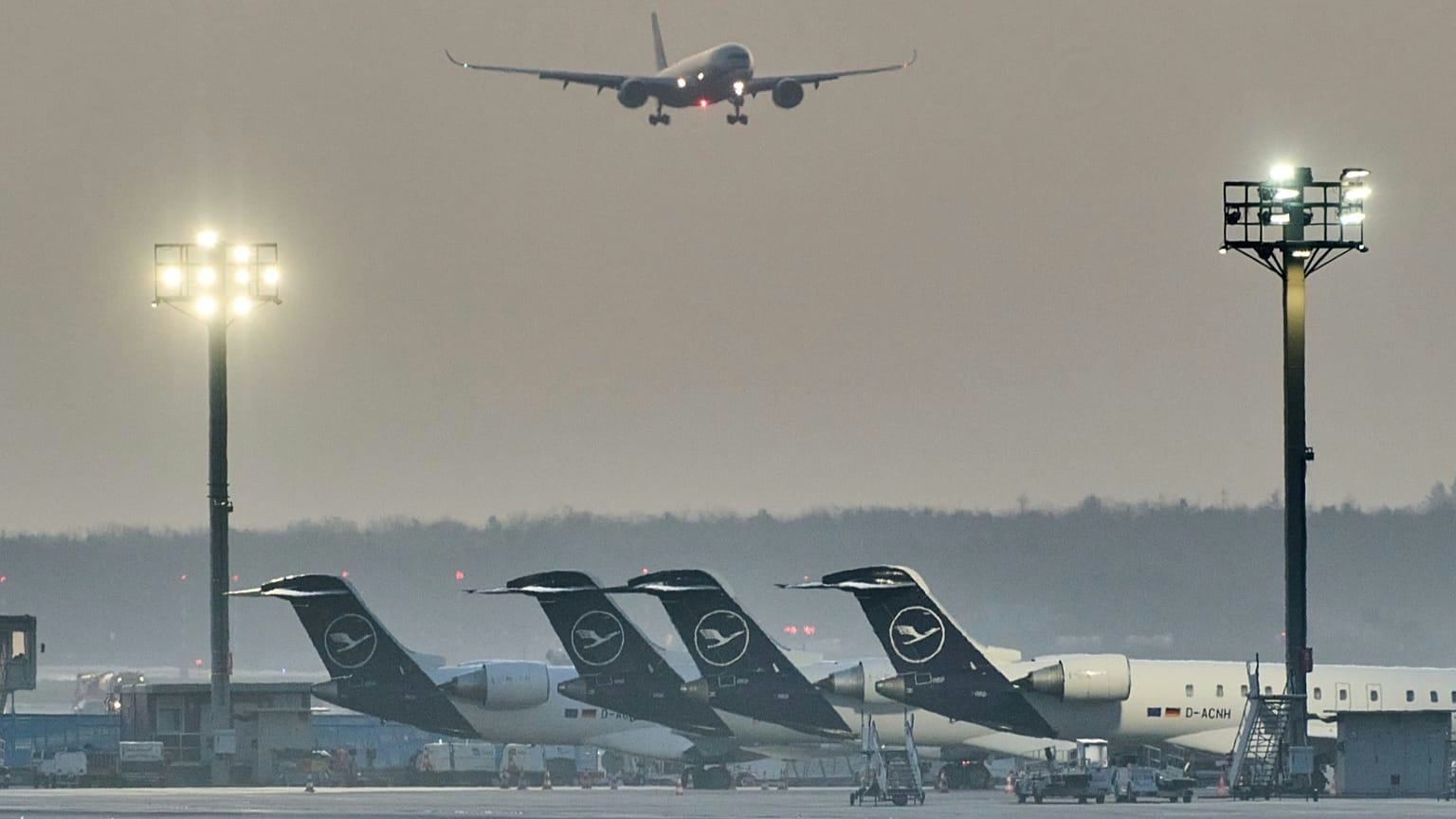
Lufthansa and Major European Airlines Warn of Jet Fuel Shortages Threatening Airfare Increases

SITA’s Acquisition of Big Blue Analytics Highlights Airline AI Adoption in Geneva

Advances in Medical Helicopter Services Improve Emergency Care Access in the Caribbean

Manna Air Delivery Receives SAIL III Operational Authorization from UK Civil Aviation Authority

Albany International’s 3D Woven Fan Case Advances Turbine and Aerospace Technology

LATAM Airlines Advances Digital Transformation with AI Technology
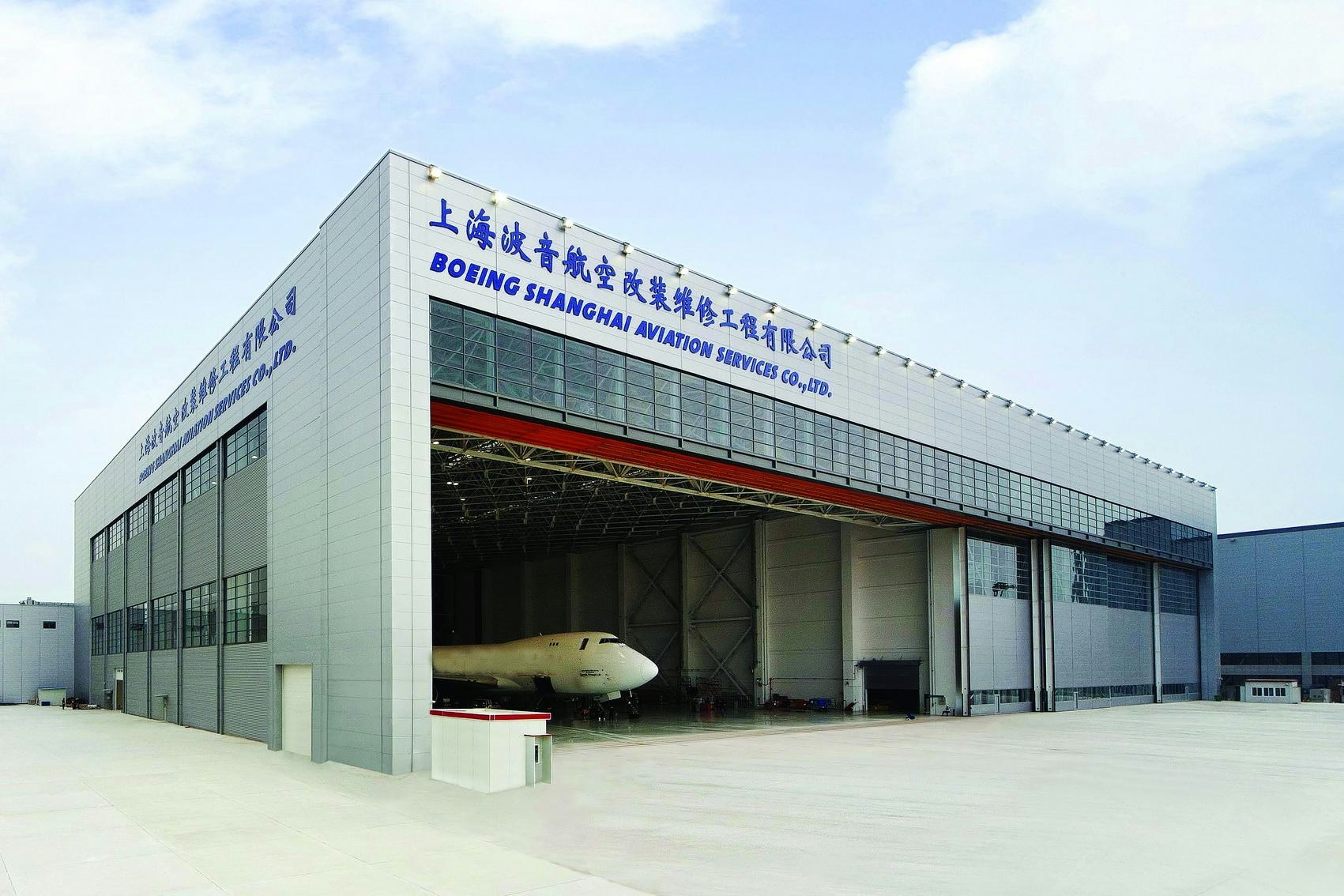
Boeing Opens New MRO Hangar in Shanghai
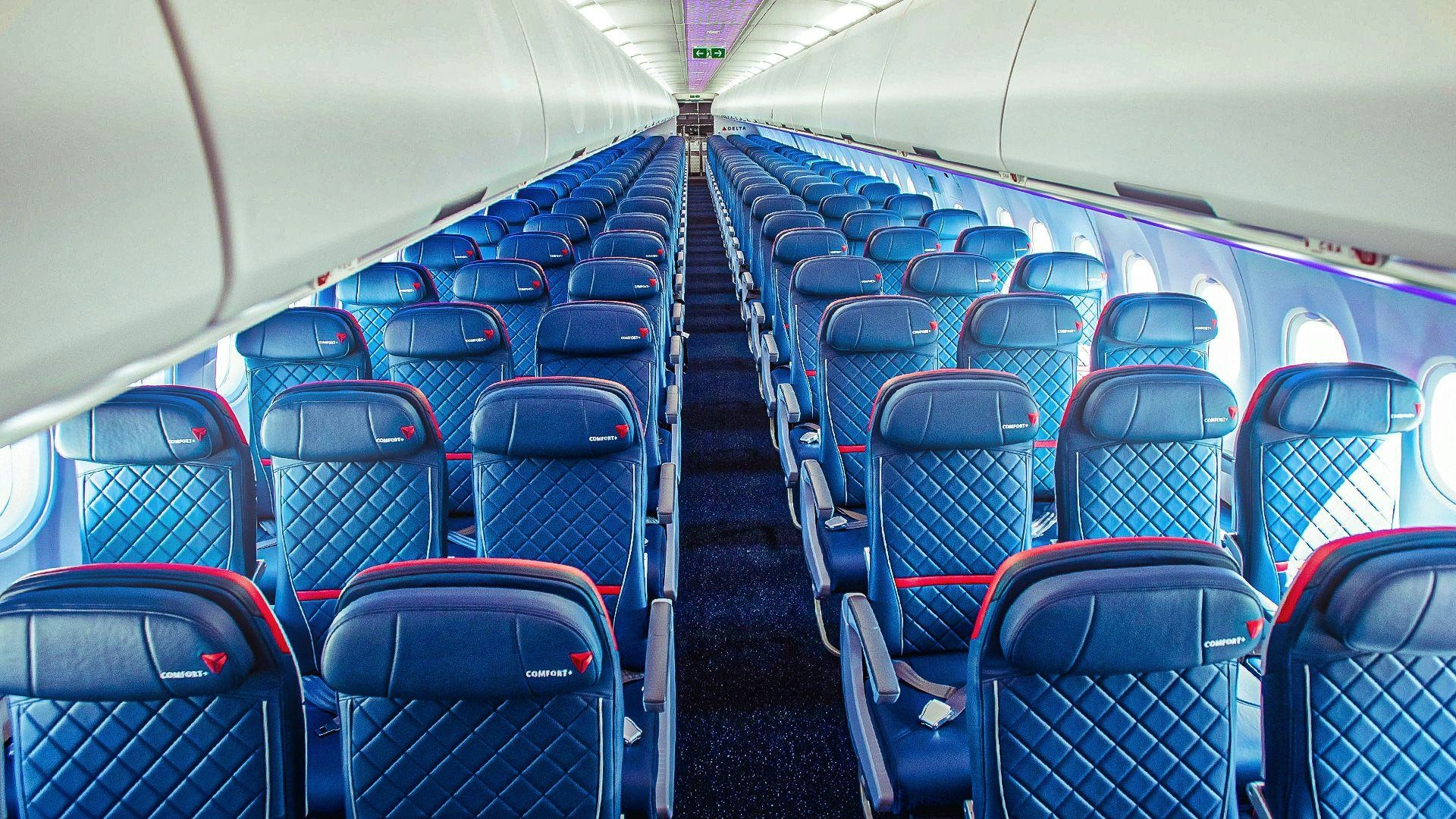
Comparing Cabin Widths of the Airbus A320neo and Boeing 737 MAX
American Airlines Seeks Proposals for Widebody Aircraft Order
