Image

Orchestrate AI insights into action

Join the AeroGenie waitlist today!

Trending

Categories

Average Lifespan of a Boeing Commercial Jet
October 28, 2025By ePlane AI
Average Lifespan of a Boeing Commercial Jet
0
0
Boeing Commercial Airplanes
Aircraft Lifespan
Aircraft Retirement

Average Lifespan of a Boeing Commercial Jet

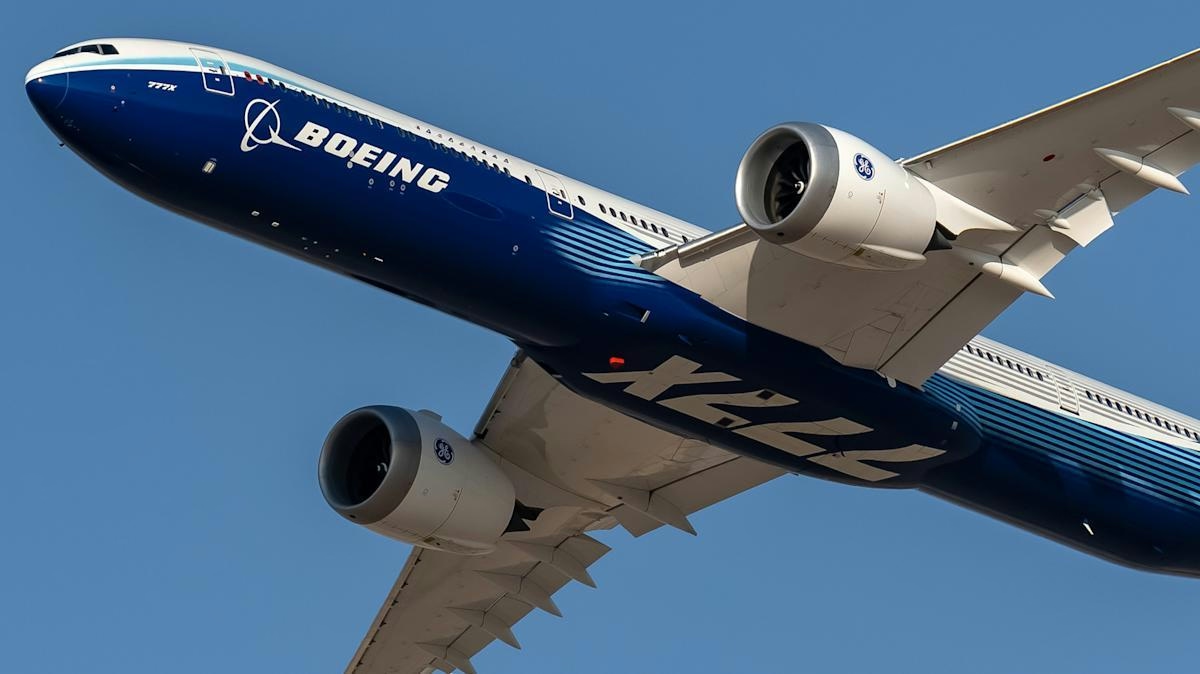
Boeing has established itself as a cornerstone of the global aerospace industry, with its commercial aircraft division generating over $22 billion in revenue last year and employing nearly 50,000 people worldwide. The company’s major manufacturing hubs in Everett, Washington, and Charleston, South Carolina, have been the birthplace of some of aviation’s most iconic aircraft. These include the Boeing 707, which marked the dawn of the jet age, and the 747, the world’s first widebody airliner. Today, Boeing continues to produce widely used models such as the 737 narrowbody family and the 777, the most-produced widebody aircraft in history.

Lifespan of Boeing Commercial Jets

The average operational lifespan of a Boeing commercial jet is influenced by several factors, including the aircraft type, usage patterns, and prevailing industry conditions. Generally, Boeing aircraft remain in commercial service for between 20 and 30 years. Upon retirement from passenger service, many jets find a second life through sales to secondary carriers or conversion into cargo aircraft, often extending their functional lifespan significantly.

Narrowbody aircraft, exemplified by the Boeing 737 series, typically have an average service life of 12 to 15 years. However, with diligent maintenance and periodic refurbishments, many 737s continue to operate for 25 years or more. Their relatively lower maintenance costs contribute to their appeal for prolonged use. In contrast, widebody aircraft such as the Boeing 777 and 787 generally serve for 20 to 25 years. The older 747 model frequently remained in service for 30 years or longer before retirement. Many of these widebody jets are converted into freighters, with some continuing to fly for over four decades.

Industry Trends Affecting Aircraft Longevity

Recent disruptions in global supply chains have had a notable impact on aircraft production schedules, compelling airlines to retain older jets in active service longer than initially planned. Delays in the delivery of new aircraft, including Boeing’s 777X—which has seen its commercial debut postponed until 2027—have forced carriers to extend the operational life of their existing fleets. These production setbacks have also resulted in significant financial charges for manufacturers.

At the same time, competition within the commercial aviation market has intensified. The Boeing 737, once the world’s most popular jet, has been surpassed by the Airbus A320, which recently exceeded 12,260 deliveries to claim the leading position. This shift highlights Airbus’s expanding market presence as Boeing navigates production challenges and evolving airline strategies.

Post-Commercial Service Utilization

When Boeing aircraft conclude their commercial passenger careers, many continue to serve in alternative roles. Depending on their condition and market demand, retired jets are often transferred to secondary markets, where they operate with smaller airlines, cargo carriers, or charter services. Freighter conversions are particularly common among widebody models, enabling these aircraft to remain operational for decades beyond their original passenger service.

The average lifespan of a Boeing commercial jet, therefore, typically ranges from 20 to 30 years. However, ongoing industry dynamics—including supply chain difficulties and heightened competition from Airbus—are shaping the duration these aircraft remain in service. As airlines adjust to production delays and shifting market conditions, the operational life of Boeing jets continues to evolve, reflecting broader transformations within the global aviation sector.
More news
MAG to Rely on MRO and Cargo Services to Offset Narrow Margins
MAG to Rely on MRO and Cargo Services to Offset Narrow Margins

MAG Focuses on MRO and Cargo Services to Address Narrow Profit Margins Malaysia Aviation Group (MAG), the parent company of Malaysia Airlines, is intensifying its efforts to expand maintenance, repair, and overhaul (MRO) and cargo operations as a strategic response to persistently slim airline profit margins. Group Chief Executive Nasaruddin Bakar outlined this approach during the Selangor Aerospace Forum on June 26, emphasizing the importance of resilience amid ongoing industry challenges such as geopolitical tensions, fuel price fluctuations, pandemics, and supply chain disruptions. Navigating Industry Challenges and Diversifying Revenue Nasaruddin highlighted the airline sector’s vulnerability to recurring crises, noting that average profit margins hover around a mere 1.4%. This financial fragility underscores the urgency for MAG to diversify its revenue streams beyond traditional passenger services. The group is therefore investing in its workforce of 15,000 employees, maintaining training programs despite difficult market conditions, and expanding its MRO, cargo, and aviation services divisions to build greater operational resilience. However, these initiatives are not without obstacles. The air cargo market, while showing signs of stabilization, continues to grapple with capacity constraints and volatile pricing. Additionally, the complex geopolitical landscape is prompting tighter supply chain controls, further complicating operational logistics. These factors have already had tangible impacts; in the fourth quarter of 2024, Malaysia Airlines canceled over 10,000 flights, affecting more than one million passengers. Such disruptions not only strain operational capacity but also contribute to higher fares, which may suppress consumer demand. Managing Fuel Costs and Long-Term Growth Plans Fuel price volatility remains a critical concern for MAG. Nasaruddin revealed that each one-dollar increase in jet fuel prices adds approximately MYR51 million (USD 12.5 million) to the group’s annual fuel expenses. To mitigate this risk, MAG has hedged around 36% of its fuel requirements for 2026. The company’s long-term business plan, LTBP3.0, aims to generate MYR24.6 billion (USD 6 billion) in revenue by 2030 and expand its mainline fleet to 116 aircraft by 2035. Planned fleet enhancements include additional deliveries of Airbus A330-900N and Boeing 737 MAX aircraft. Currently, Malaysia Airlines operates a fleet of 94 aircraft, comprising a mix of Airbus A330-200s, A330-200 freighters, A330-300s, A330-900Ns, A350-900s, and Boeing 737-8 and 737-800 models. Its regional subsidiary, Firefly, operates nine ATR72-500s and five Boeing 737-800s. Industry Trends and Competitive Landscape MAG’s strategic pivot toward MRO and cargo services reflects a broader industry trend, as airlines worldwide seek to strengthen non-passenger business segments to maintain stability amid economic uncertainties. The group faces competition from other carriers pursuing similar diversification strategies, underscoring the challenging environment in which airlines must operate to sustain profitability and growth.
Travelport TripServices Works to Resolve AI Travel Booking Ticketing Issue
Travelport TripServices Works to Resolve AI Travel Booking Ticketing Issue

Travelport TripServices Works to Resolve AI Travel Booking Ticketing Issue AI Booking Systems Expose Industry Challenges In early June, Kiruba Shankar, an insurtech entrepreneur, conducted a rigorous test of Etihad Airways’ website by deploying an AI coding agent to search for flights. The agent generated over 881,000 fare combinations for a single trip, exploring every conceivable date, route, and connection. While such exhaustive searching is beyond the scope of any human traveler, the experiment underscored a significant challenge: AI agents demonstrate exceptional capability in searching for travel options but encounter difficulties in reliably completing bookings. This issue became more pronounced on July 1, when Travelport expanded its TripServices API platform to over 400 European travel agencies through integration with Travelsoft’s Orchestra platform. This rollout represents the first major commercial trial of a two-layer architecture, now supported by Travelport, Sabre, and other industry leaders, which is regarded as the only technically viable method for enabling AI-assisted bookings. The Core Problem: AI’s Limitations in Confirming Bookings The fundamental obstacle lies in the operational nature of large language models (LLMs). These AI systems generate responses by predicting the most probable next word or phrase based on their training data, rather than querying live databases. Consequently, when an LLM indicates that a seat is available, it is providing a statistically likely answer rather than a real-time confirmation from an airline’s reservation system. While this distinction is relatively inconsequential when discussing general travel ideas, it becomes critical when processing payments and confirming non-refundable fares. Traditional booking systems operate deterministically, ensuring that identical inputs consistently produce authoritative outputs drawn from live inventory. In contrast, LLMs generate plausible-sounding responses that may not correspond to actual availability. This structural gap has led to tangible consumer issues. A June 2026 analysis by SmartCustomer of travel reviews revealed a troubling pattern: AI booking platforms frequently assigned confirmed statuses to pending bookings, processed unauthorized charges, and canceled trips without user consent. One traveler reported losing $650 on a non-refundable trip canceled by an AI agent, while another incurred $300 in costs to rectify an AI-induced error. The absence of a clear legal framework for liability leaves consumers vulnerable when AI booking agents err. Operational and Organizational Challenges Ahead As Travelport’s TripServices platform scales, the industry’s focus is shifting from purely technical innovation to operational execution. At the Skift Data and AI Summit 2026, travel industry leaders highlighted that the primary challenges extend beyond technology. They include deploying robust systems, simplifying complex booking workflows, and, importantly, fostering trust among customers and employees alike. Market response to TripServices will likely hinge on its ability to streamline and improve AI-driven bookings. Competitors are expected to adopt similar approaches, seeking to consolidate booking complexities within their own platforms. However, the industry’s success will depend not only on sophisticated algorithms but also on resilient infrastructure, clear accountability, and a renewed emphasis on consumer trust. As artificial intelligence continues to reshape travel booking, the sector faces a critical test: whether it can fulfill the promise of smarter, more efficient journeys without compromising reliability or consumer confidence.
US Airlines Invest in Premium Cabins, AI, and New Routes to Transform Air Travel by 2026
US Airlines Invest in Premium Cabins, AI, and New Routes to Transform Air Travel by 2026

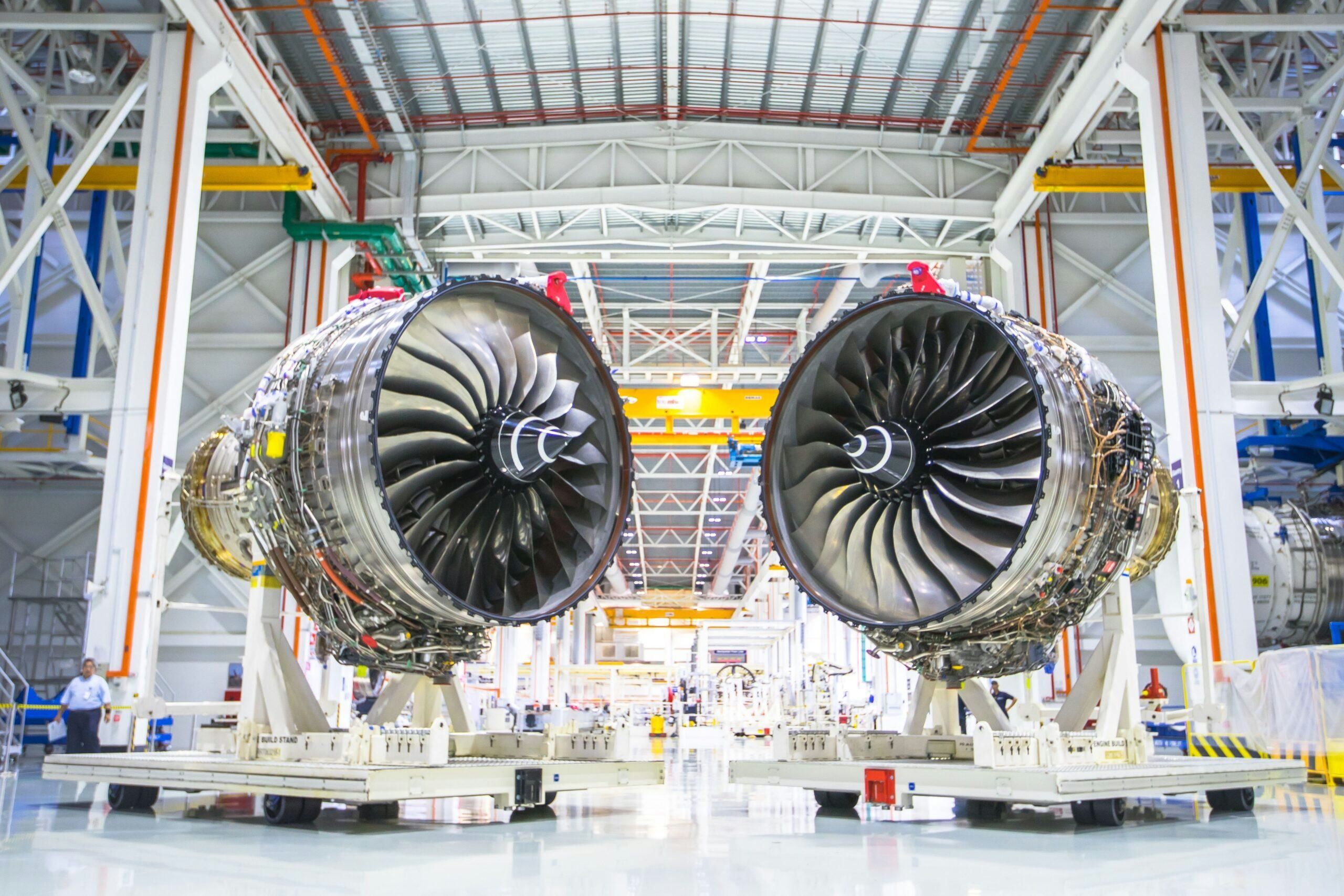
US Airlines Invest in Premium Cabins, AI, and New Routes to Transform Air Travel by 2026 Major US airlines, including United, American, Delta, Alaska, and Southwest, are undertaking significant transformations that extend beyond traditional fare competition. These carriers are investing heavily in premium cabins, artificial intelligence (AI), expanded international routes, high-speed onboard connectivity, and seamless digital airport experiences. This comprehensive industry shift is set to redefine air travel for millions of passengers by 2026, emphasizing smarter, faster, and more personalized journeys. A New Era Focused on Passenger Experience The US airline industry is entering a phase where the overall travel experience—from booking to arrival—holds equal importance to price and route availability. Rising passenger expectations, rapid technological advancements, and increased demand for premium leisure travel are driving airlines to redesign their products and services. Enhanced seating options, AI-powered customer service, faster Wi-Fi, and modernized aircraft interiors are becoming standard features. Simultaneously, digital tools are streamlining every stage of the journey, making convenience, flexibility, and customer satisfaction as critical as affordability for both leisure and business travelers. United Airlines at the Forefront of Innovation United Airlines is emerging as a leader in this transformation, aggressively expanding its international network across Europe, Asia, Africa, and the South Pacific. The airline has upgraded many of its aircraft with larger Polaris Business Class cabins, improved Premium Plus seating, and enhanced onboard entertainment systems. These enhancements reflect a growing willingness among travelers to pay a premium for comfort on long-haul flights. Additionally, United is leveraging AI to improve operational efficiency, personalize customer interactions, and manage disruptions more effectively, positioning itself at the cutting edge of airline innovation. American Airlines’ Focus on Accessibility and Modernization American Airlines is also modernizing its fleet and passenger experience by increasing the number of premium seats and updating cabin layouts. The airline is prioritizing value through upgraded cabins, enhanced lounges, and expanded international connectivity. Its goal is to make premium travel more accessible to a broader range of passengers, balancing luxury with affordability. Challenges Amid Intensifying Competition Despite these advancements, US airlines face considerable challenges. The drive toward premium products and AI-driven services is creating a widening gap between financially robust carriers and those struggling to keep pace, particularly in the context of volatile fuel prices. New entrants such as Riyadh Air, recently approved for direct flights to New York and Washington, are intensifying competition on lucrative transatlantic routes. This increased rivalry may place additional pressure on weaker airlines, potentially limiting their ability to invest in necessary upgrades. Investor sentiment regarding AI’s role in aviation remains divided. While some view AI as a tool for immediate cost optimization and operational efficiency, others remain skeptical about its potential to drive long-term revenue growth. This ongoing debate influences the pace and scale at which airlines integrate AI into their operations. Looking Ahead: The Future of US Air Travel As US airlines continue to invest in premium cabins, AI innovation, and expanded global networks, the industry is clearly moving toward a more experience-driven model. These changes promise enhanced comfort, personalization, and convenience for passengers. However, they also underscore the growing divide between carriers capable of investing in the future and those at risk of falling behind. The coming years will be critical as airlines navigate evolving passenger expectations, technological disruption, and intensifying global competition.
Rolls-Royce Estimates Airlines Could Save Up to $10 Million Annually with New Airbus A350 Engine
Rolls-Royce Estimates Airlines Could Save Up to $10 Million Annually with New Airbus A350 Engine

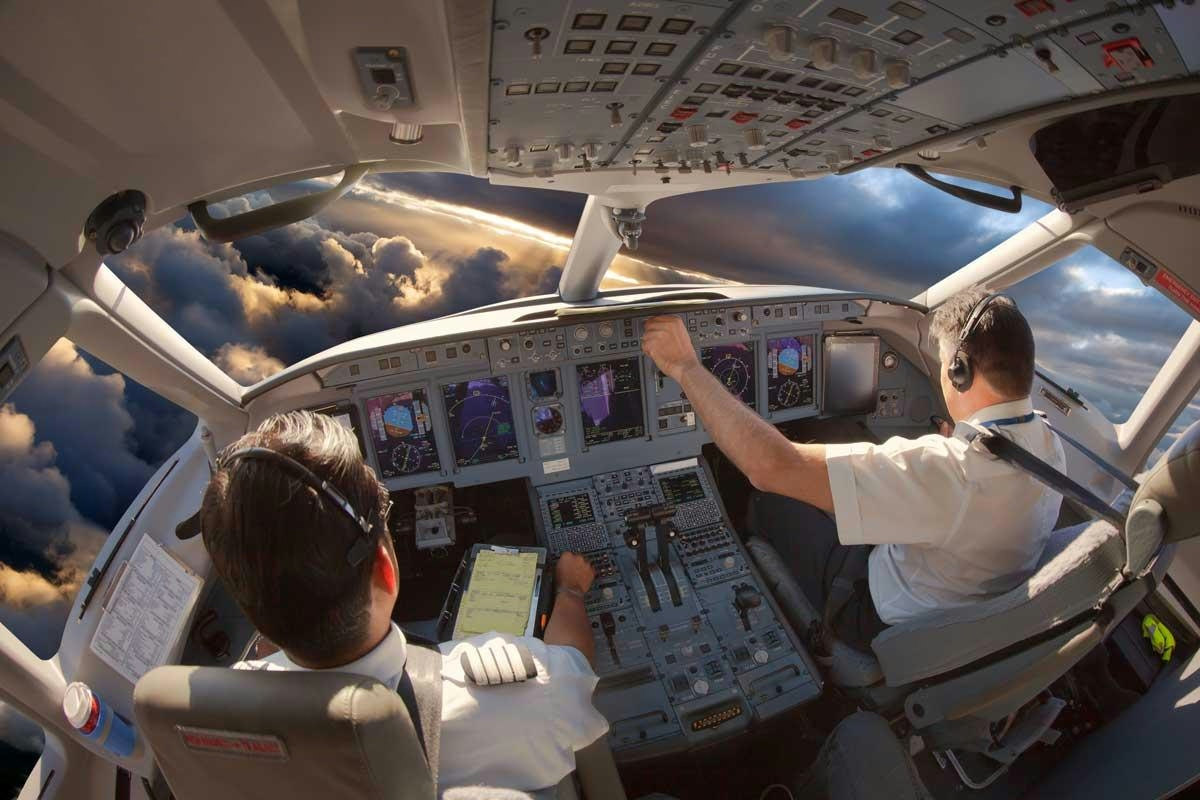
Rolls-Royce Projects Significant Fuel Savings with Upgraded Airbus A350 Engine Rolls-Royce has announced that its latest enhancements to the Trent XWB-84 EP engine, which powers the Airbus A350, could enable airlines operating fleets of 20 aircraft to save up to $10 million annually in fuel costs. The engine manufacturer revealed these projections during a roundtable event ahead of the Farnborough Airshow, emphasizing the improved thrust-specific fuel consumption (SFC) achieved through recent upgrades. Initially targeting a 1% improvement in SFC, Rolls-Royce now reports gains of up to 1.8%. Rob Watson, President of Civil Aerospace at Rolls-Royce, explained that a 1% improvement in SFC corresponds to nearly $500,000 in annual fuel savings per aircraft. For airlines with larger A350 fleets, these efficiencies could translate into substantial cost reductions amid ongoing volatility in jet fuel prices. Engine Performance and Environmental Impact The Trent XWB-84 EP entered service last year with Delta Air Lines as the launch customer and has since accumulated over 100,000 operational hours. Renowned for its industry-leading fuel efficiency and reliability, the engine has been selected by 90% of profitable airlines operating the A350. Notably, the Trent XWB-84 EP is capable of operating with up to 50% sustainable aviation fuel (SAF), with a long-term goal of achieving 100% SAF compatibility. This capability positions the engine as a forward-looking option for carriers seeking to reduce carbon emissions and environmental impact. Industry Challenges and Market Dynamics Despite these advancements, some challenges persist for airlines considering the new engine. Emirates has expressed concerns regarding long-term engine durability, while United Airlines CEO Scott Kirby has highlighted ongoing engine shortages that could complicate fleet planning and operations. These issues illustrate the complexities airlines face when integrating new technology, even as they aim to benefit from fuel savings and environmental improvements. Market response to the enhanced Trent XWB-84 EP has been largely positive, with growing interest in the Airbus A350-900 as carriers pursue fleet modernization and cost reduction strategies. However, competition remains intense. General Electric continues to dominate the Boeing 787 market, influencing airline and manufacturer decisions on engine selection and potentially shaping future developments within the widebody aircraft segment. Investment and Certification Rolls-Royce’s $1.33 billion (£1 billion) investment in the Trent XWB-84 EP program underscores its commitment to continuous innovation. The engine received certification from the European Union Aviation Safety Agency (EASA) in December 2024, following extensive redevelopment and thousands of hours of rigorous ground and flight testing. These improvements not only enhance fuel efficiency and reduce emissions but also contribute to quieter and more reliable operations for airlines worldwide. As the aviation industry confronts increasing pressure to enhance sustainability and manage operational costs, advancements in engine technology such as those embodied by the Trent XWB-84 EP will be pivotal in shaping the future of long-haul air travel.
Projected Salaries of U.S. Airline Captains on Transatlantic Routes in 2026
Projected Salaries of U.S. Airline Captains on Transatlantic Routes in 2026

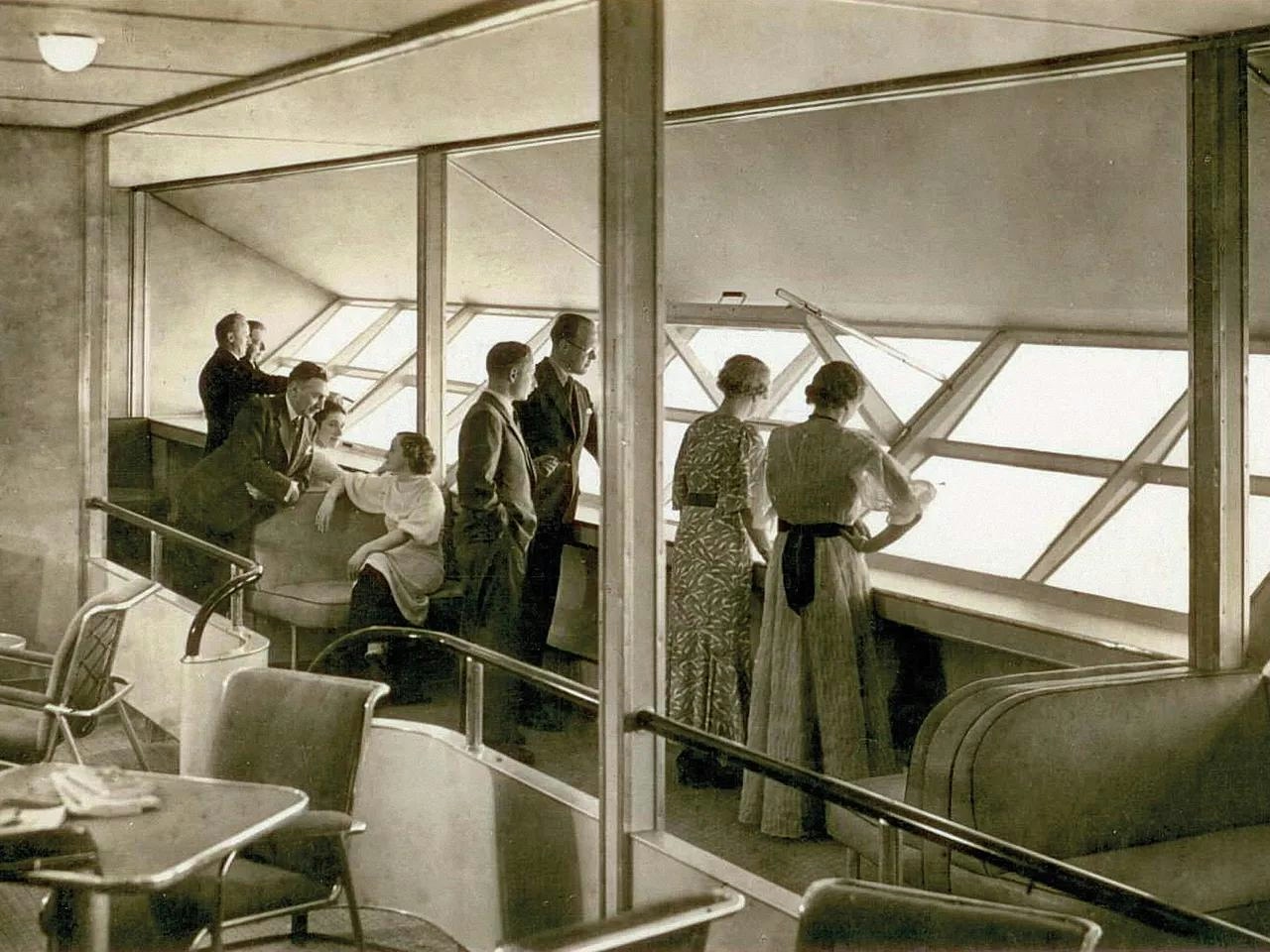
Projected Salaries of U.S. Airline Captains on Transatlantic Routes in 2026 U.S. widebody international airline captains continue to occupy some of the most prestigious and well-compensated roles within the aviation industry. By 2026, annual earnings for senior pilots operating transatlantic routes are expected to reach between $400,000 and $500,000. Captains flying flagship routes, such as New York City to London, benefit from elevated hourly pay rates combined with extended block times, resulting in record-level compensation. The transatlantic corridor remains one of the busiest air travel routes globally, transporting tens of millions of passengers annually between the United States and Europe. Structure of Pilot Compensation Airline pilots are uniquely compensated based on flight hours, specifically “credit hours” as defined by union agreements. Hourly rates vary according to the type of aircraft flown and the pilot’s seniority both within the airline and on the specific aircraft model. Larger aircraft and greater seniority command higher hourly wages. Most U.S. carriers guarantee pilots a minimum of 70 to 85 credit hours per month, amounting to approximately 900 credit hours annually. On long-haul transatlantic flights, a single roundtrip can credit between 14 and 18 hours or more, translating into substantial earnings per journey. For instance, a nonstop flight from New York to London, covering roughly 3,451 miles and lasting six and a half to eight hours each way, typically credits at least 14 hours per trip. Senior captains at major airlines can earn over $10,000 per roundtrip flight, depending on contractual terms and the exact duration of the journey. United Airlines: Industry Leader in Widebody Operations United Airlines operates the largest widebody fleet in North America, comprising over 220 aircraft, including all three variants of the Boeing 787 Dreamliner as well as the Boeing 777-200 and 777-300ER models. Its Newark Liberty International Airport hub serves as the centerpiece of an extensive transatlantic network, supplemented by major gateways at Washington-Dulles and Chicago O’Hare. United’s pilot workforce is among the largest globally, with more than 17,000 pilots and ongoing recruitment efforts to meet rising demand and offset mandatory retirements. According to data from Airline Pilot Central, a first-year captain flying a widebody jet at United—such as the 787, 777, or 767-400—earns $443.85 per flight hour. With guaranteed minimum hours and opportunities for additional flying, experienced captains can expect annual compensation to exceed half a million dollars. Emerging Challenges Affecting Future Earnings Despite the attractive salary prospects, several challenges threaten to influence future pilot compensation. Rising fuel costs represent a significant concern, with the International Air Transport Association reporting that surging prices have added $100 billion to airlines’ annual fuel expenses, potentially halving global airline profits. In response, carriers including American Airlines and Air Canada have already reduced select routes to manage costs. Additionally, increased competition looms as new entrants such as Riyadh Air seek approval from the U.S. Department of Transportation to launch direct flights to New York and Washington, which could intensify rivalry on key transatlantic corridors. As airlines confront these financial pressures and shifting competitive landscapes, the sustainability of current pay levels for U.S. airline captains on transatlantic routes will depend on how carriers adapt to evolving market conditions and cost structures.
Exhibit Explores Luxury Life Aboard the Hindenburg
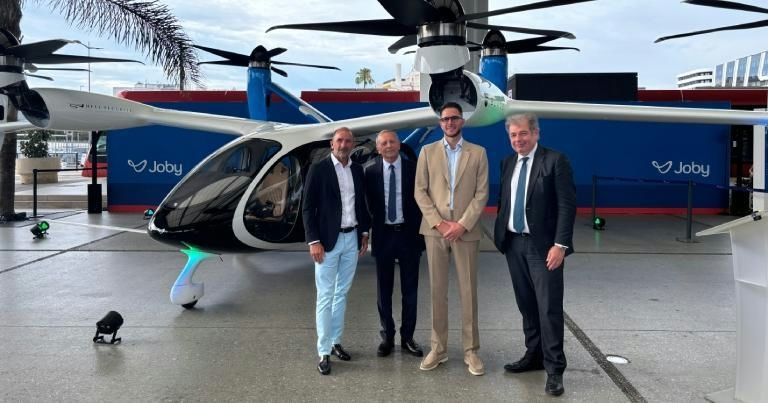
Exhibit Explores Luxury Life Aboard the Hindenburg

Exhibit Explores Luxury Life Aboard the Hindenburg The name "Hindenburg" often evokes memories of tragedy, yet before its catastrophic final flight, the airship represented the zenith of luxury air travel. The Hindenburg redefined transatlantic journeys by offering an unprecedented level of comfort and elegance. Beginning July 3, the Frontiers of Flight Museum in Dallas will open "Hindenburg: The Flying Hotel," an immersive exhibition that explores the engineering marvel, opulent lifestyle, and cultural significance of one of aviation history’s most iconic airships. A Floating Palace Above the Clouds Launched in 1936, the Hindenburg was more than a mode of transportation; it was a symbol of innovation and exclusivity. Passengers aboard the airship enjoyed refined lounges, gourmet dining, and spacious private cabins, earning it the nickname "The Flying Hotel." A one-way ticket cost $400 at the time—equivalent to approximately $9,300 today—making the journey accessible only to society’s elite, including celebrities and influential figures. This extraordinary level of luxury distinguished the Hindenburg from other travel options of the era. Today, luxury travel continues to evolve, with brands such as LVMH, Accor’s Orient Express, and Seabourn’s cultural exchange programs redefining exclusivity in transit. As the market shifts toward more understated, "low-key luxury," providers are adapting by enhancing unique and personalized experiences to maintain their appeal in a competitive landscape. Beyond the Tragedy: A Comprehensive Narrative Rather than focusing solely on the airship’s tragic demise, the exhibition offers a nuanced and comprehensive narrative through four themed galleries: Origins and Engineering, Life Aboard the Flying Hotel, The Final Flight, and Legacy and Myth. Visitors will encounter 90 rare artifacts and historical materials, including original china, a cigarette lighter, and photographs showcasing the Hindenburg’s lavish interiors. Personal letters and firsthand accounts provide intimate insights into the daily lives and aspirations of those who traveled aboard. Abigail Erickson-Torres, president and CEO of the Frontiers of Flight Museum, emphasized the broader story behind the airship. "We all know how the Hindenburg story ended, but there is a much bigger tale to tell about how this airship captured the world’s imagination," she said. "This experience highlights the ambition, design, and elegance that shaped early air travel while showcasing some truly remarkable artifacts." Connecting Past and Present The exhibition combines interactive displays with historical storytelling to illuminate both the cultural impact and engineering breakthroughs that influenced modern aviation. Many of the artifacts are drawn from the museum’s archives and partner institutions, including The University of Texas at Dallas. Additionally, STEM-focused educational programming links the science and technology behind airship design to contemporary students and families, fostering a deeper understanding of aviation history and innovation. Visiting Information "Hindenburg: The Flying Hotel" opens on July 3 and will be on display for one year at the Frontiers of Flight Museum, located at 6911 Lemmon Avenue, Dallas. Admission to the museum includes access to the exhibition. Ticket prices are $20 for adults, $12 for youth aged 3 to 12, $10 for seniors aged 65 and older, and free for children under two years of age. The museum is open Monday through Saturday from 10 a.m. to 5 p.m., and Sunday from 1 p.m. to 5 p.m. Further details and visitor planning resources are available on the Frontiers of Flight Museum’s official website.
Nice Côte d’Azur Airport to Host Europe’s First Commercial eVTOL Flights with Joby Aviation
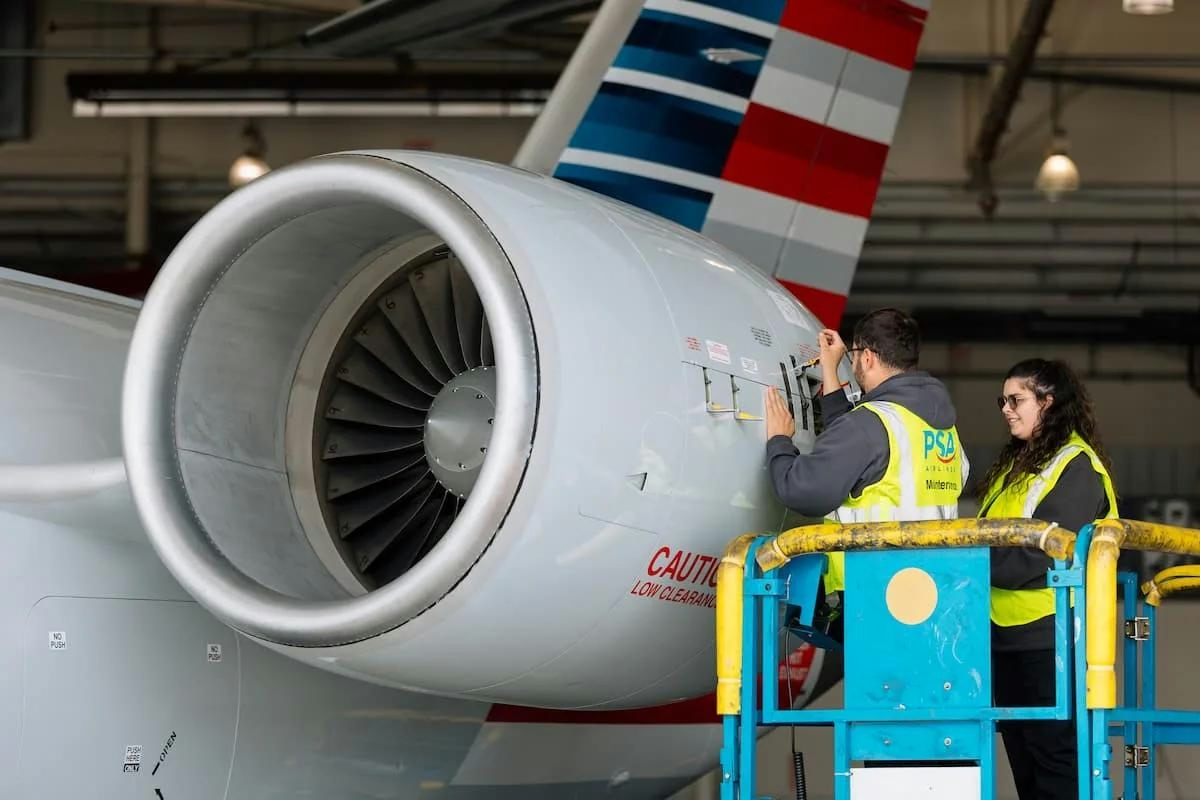
Nice Côte d’Azur Airport to Host Europe’s First Commercial eVTOL Flights with Joby Aviation

Nice Côte d’Azur Airport to Host Europe’s First Commercial eVTOL Flights with Joby Aviation Nice Côte d’Azur Airport is poised to become the first airport in Europe to facilitate commercial electric vertical take-off and landing (eVTOL) flights. This groundbreaking initiative is the result of a partnership between Joby Aviation and established air mobility operators Blade, Heli Sécurité, and Monacair. The collaboration aims to introduce Joby’s electric air taxi service, which promises low-noise operations and zero direct CO₂ emissions, contingent upon obtaining the necessary regulatory certifications. Strategic Location and Established Market The airport’s unique seafront location offers a significant advantage by enabling flight paths that avoid densely populated areas, making it an ideal site for pioneering eVTOL operations. This development builds upon the French Riviera’s well-established helicopter transport market, which has provided swift connections to key destinations such as Monaco, Cannes, and Saint-Tropez for over five decades. Franck Goldnadel, Chairman of the Board at Aéroports de la Côte d’Azur, emphasized the airport’s role as a “laboratory for the airport of the future,” highlighting its commitment to innovations that enhance regional connectivity while reducing environmental impact. He expressed pride in the prospect of Nice Côte d’Azur Airport becoming Europe’s first to welcome eVTOL operations. The partnership leverages the complementary strengths of its members: Heli Sécurité operates scheduled helicopter services including the Nice-Monaco route; Monacair brings extensive experience in the Monaco market and premium air transport; and Blade, Joby Aviation’s air mobility brand, leads the commercial and operational development of the eVTOL service. Challenges Amidst Legal Disputes and Competition Despite the promising outlook, the path to commercial eVTOL flights faces significant challenges. Joby Aviation is currently embroiled in a legal dispute with competitor Archer Aviation. Recent court rulings have dismissed several claims and counterclaims from both parties, but the ongoing litigation could divert Joby’s focus and resources as it strives to bring its air taxi to market. The competitive environment is intensifying, with Archer Aviation and Beta Technologies also pursuing commercial eVTOL services in Europe, each adopting distinct strategies to shape the future of air mobility. Joby’s strategic partnership with Toyota, which includes a joint manufacturing venture and a planned additional $250 million investment, underscores the company’s commitment to scaling production and meeting anticipated demand. Nevertheless, the combination of legal challenges and fierce competition may influence Joby’s market positioning and operational priorities as the sector continues to evolve. JoeBen Bevirt, Founder and CEO of Joby Aviation, remarked on the transformative potential of electric aviation, stating that it could fundamentally change travel by making air transport cleaner, quieter, and more accessible. He praised Nice Côte d’Azur Airport for setting a benchmark in preparing for this new era of aviation and expressed pride in offering the public an opportunity to experience their aircraft. As Nice Côte d’Azur Airport establishes itself as a testbed for sustainable, next-generation air mobility, the success of Europe’s first commercial eVTOL flights will hinge not only on technological readiness and regulatory approval but also on how industry leaders manage the legal, operational, and competitive challenges inherent in this rapidly evolving market.
Establishing Clear Certification for Emerging Aviation Technologies in the U.S.
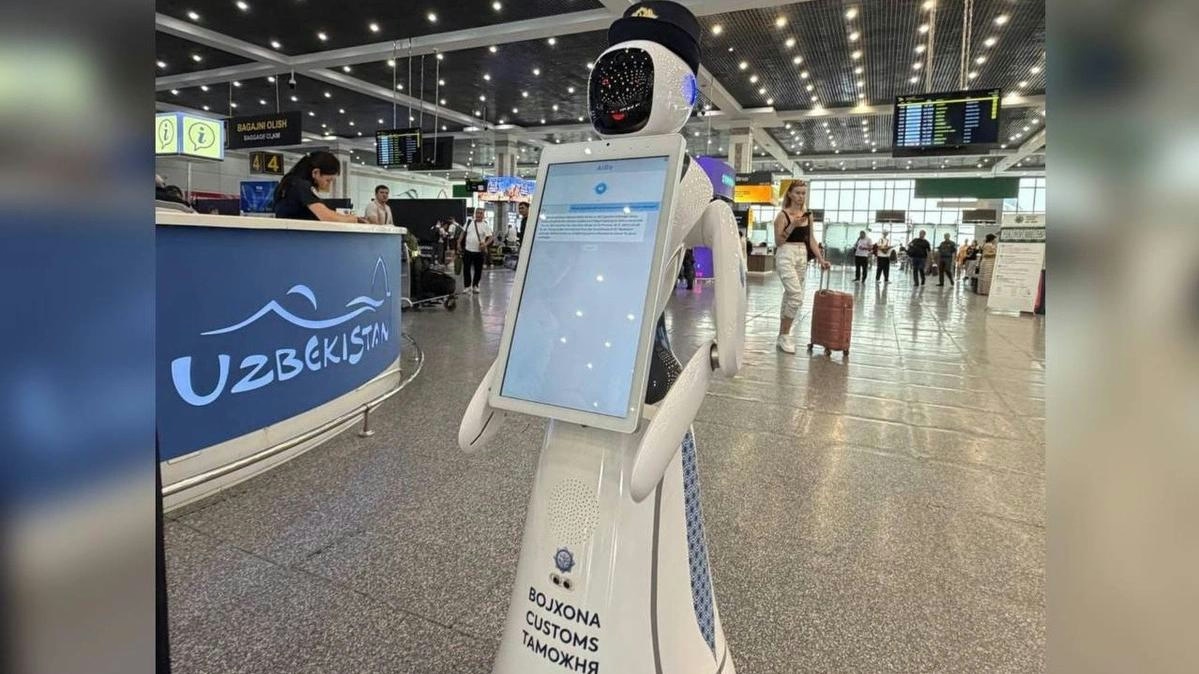
Establishing Clear Certification for Emerging Aviation Technologies in the U.S.

Establishing Clear Certification for Emerging Aviation Technologies in the U.S. The United States has historically been at the forefront of aviation innovation, from the pioneering achievements of the Wright brothers to the development of modern commercial air travel. Today, a new generation of technologies—including Advanced Air Mobility (AAM) aircraft, electric vertical takeoff and landing (eVTOL) systems, increasingly autonomous flight controls, and novel propulsion methods—holds the potential to transform transportation, emergency response, cargo logistics, and regional connectivity. While innovation continues unabated, the critical challenge lies in whether the U.S. certification system can evolve rapidly enough to accommodate these advancements without compromising the highest safety standards. Modernizing Certification for a New Era Safety remains the paramount concern for policymakers, yet the existing certification processes, originally designed for conventional aircraft, face scrutiny regarding their ability to offer the transparency, predictability, and scalability required by emerging aviation technologies. A 2023 report by the Department of Transportation’s Office of Inspector General highlighted significant challenges confronting the Federal Aviation Administration (FAA) in its certification approaches, policy development, and communication efforts related to AAM aircraft. The report cautioned that unresolved issues could impede the FAA’s capacity to efficiently facilitate the introduction of innovative technologies. In response, Congress has incorporated provisions aimed at integrating AAM and modernizing the FAA within the FAA Reauthorization Act of 2024. Bipartisan legislation such as the Aviation Innovation and Global Competitiveness Act, supported by the American Institute of Aeronautics and Astronautics (AIAA), seeks to improve transparency and predictability in the certification of novel aircraft. These legislative efforts underscore a growing consensus that updating certification frameworks is essential to preserving U.S. leadership in aerospace. Balancing Safety, Innovation, and Competitiveness Aircraft certification is among the most stringent regulatory processes worldwide, forming the foundation of public confidence in aviation safety. However, predictability in certification is equally crucial to fostering innovation. The development of new aircraft involves extensive engineering, substantial financial investment, rigorous testing, and complex supply-chain coordination. Uncertainty surrounding certification timelines or compliance requirements introduces risks for manufacturers, suppliers, investors, and infrastructure providers alike. This challenge extends beyond AAM to encompass the broader aerospace sector, where technologies are becoming increasingly autonomous, electrified, and software-driven. The certification system must therefore adapt to accommodate designs that do not conform to traditional regulatory frameworks. The overarching question is whether the U.S. can sustain a certification regime that evolves in tandem with continuous technological advancements, thereby supporting ongoing improvements in safety, performance, and passenger experience. Global Competition and Strategic Importance The modernization of certification processes transcends regulatory concerns and is integral to maintaining global competitiveness. The FAA’s recent approval for Boeing’s 777X testing, alongside international initiatives such as Germany’s DLR exploring certification by analysis, illustrate the dynamic and competitive environment in this domain. Global competitors are investing heavily in research and development while pursuing collaborations to standardize certification procedures. Market responses have been cautiously optimistic, acknowledging both the potential for U.S. leadership in advanced air mobility and the complexities involved in adapting regulatory frameworks. The emphasis on domestic industrial dominance, as highlighted by Executive Order 14307, further reinforces the strategic significance of certification in securing America’s aerospace future. As international competition intensifies, establishing clear, adaptable, and efficient certification processes will be vital for the United States to maintain its preeminence in aviation innovation and safety.
Uzbekistan Introduces AI-Powered Customs Robot at Tashkent Airport
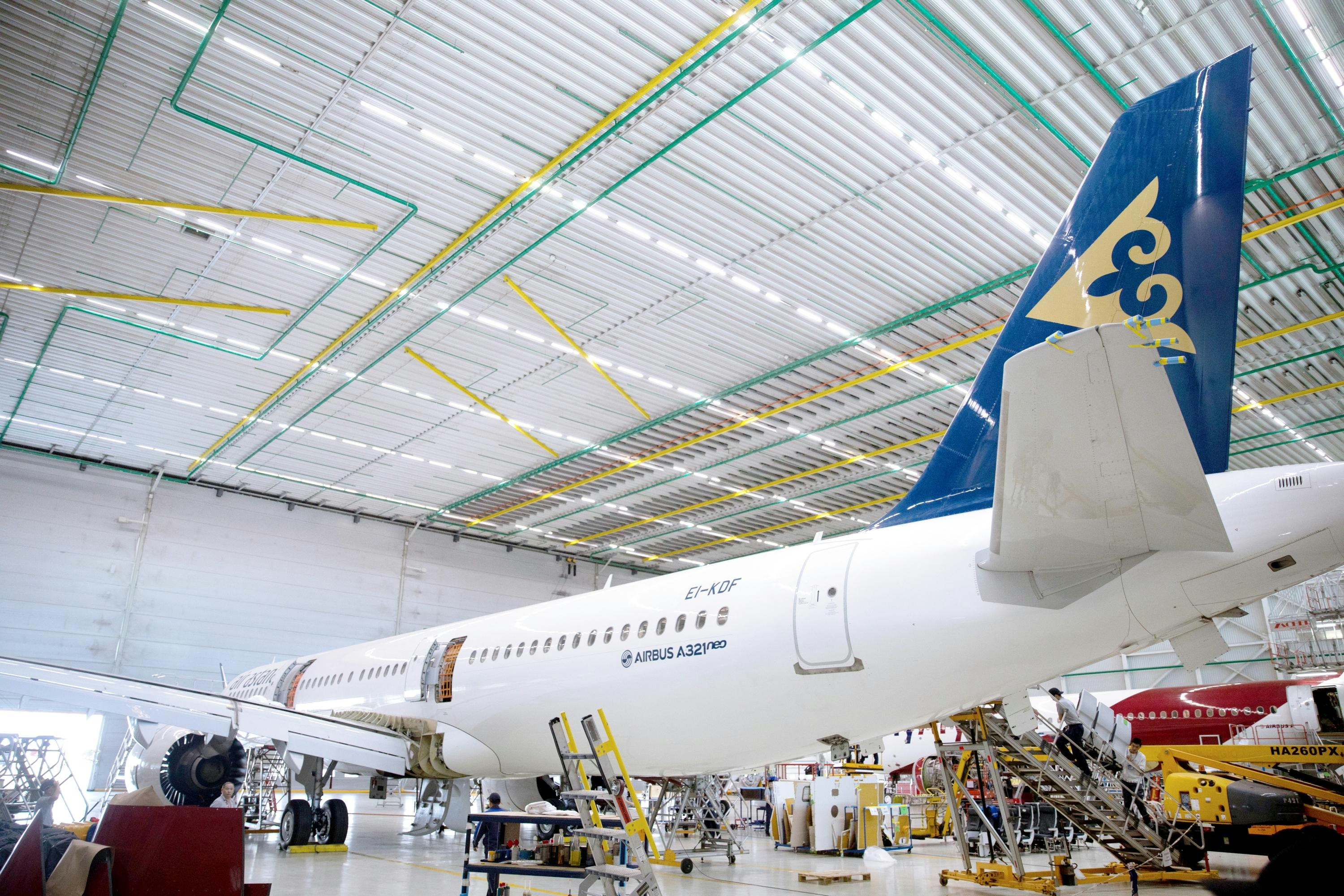
Uzbekistan Introduces AI-Powered Customs Robot at Tashkent Airport

Uzbekistan Introduces AI-Powered Customs Robot at Tashkent Airport Uzbekistan has taken a significant step in modernising its border services with the introduction of AiRo, an AI-powered customs robot now operational at Tashkent International Airport. Installed in the airport’s international terminal, AiRo was developed in collaboration with the State Customs Committee’s IT specialists to provide passengers with real-time guidance on customs regulations. Enhancing Passenger Experience Through AI AiRo addresses a persistent challenge faced by customs authorities: many violations occur due to passengers’ limited understanding of import and export rules. Travellers often hesitate to approach customs officers with questions about items such as mobile phones, foreign currency, jewellery, or medicines, which can inadvertently lead to breaches of regulations. The robot offers quick and accessible information, explaining the rules surrounding the transport of these goods, as well as clarifying the use of Uzbekistan’s green and red customs channels and declaration requirements. The Customs Committee stresses that AiRo is designed to complement human officers rather than replace them. Its primary function is to improve information accessibility, streamline procedures for travellers, and help prevent violations before they occur, thereby enhancing the overall efficiency of customs operations. Advancing Digitalisation in Customs Services The deployment of AiRo forms part of a broader initiative by Uzbekistan to digitalise and integrate its customs services. According to Islom Umarov, Head of the Customs Committee’s IT and Cybersecurity Department, the number of information systems employed by customs authorities has expanded from nine in 2021 to 37 today. Electronic customs services have similarly increased from 26 to 41, while mobile applications have grown from one to 11 within the same timeframe. These digital platforms are now interconnected with 33 government agencies and 45 airlines, and data exchange mechanisms have been established with 10 international organisations and foreign customs administrations. Such integration aims to accelerate border procedures, enhance transparency, and improve convenience for both passengers and businesses, while reinforcing compliance with customs regulations. Prospects and Challenges The introduction of AiRo is anticipated to improve processing times for travellers and cargo, potentially attracting greater international business to Uzbekistan. However, officials acknowledge several challenges, including ensuring the robot’s reliability and accuracy across diverse cargo types, achieving seamless integration with existing customs systems, and managing the transition for customs personnel adapting to new technologies. Industry observers suggest that Uzbekistan’s adoption of AI-driven customs solutions may encourage other countries to follow suit, intensifying global competition in border technology. The success of such innovations will ultimately depend on their capacity to adapt to evolving regulations and meet the needs of both travellers and customs authorities.
Avolon to Acquire 11 A321neos Originally Ordered by Frontier Airlines

Avolon to Acquire 11 A321neos Originally Ordered by Frontier Airlines

Avolon to Acquire 11 A321neos Originally Ordered by Frontier Airlines Aircraft lessor Avolon is poised to acquire 11 Airbus A321neo aircraft initially ordered by Frontier Airlines, following approval from its parent company, Bohai Leasing. The decision, announced after a board meeting on June 30, 2026, aligns with Bohai Leasing’s broader strategy to bolster its aircraft reserves and enhance its competitive position in the global leasing market. Details of the Acquisition According to a financial statement filed with the Shenzhen Stock Exchange, the acquisition received unanimous support from all nine directors on Bohai Leasing’s board. The agreement between Bohai Leasing and Frontier Airlines was formalized on June 30, 2026. The 11 A321neos involved in the transaction are valued at approximately $1.425 billion, based on Airbus’s 2018 catalogue prices, although the final transaction value may differ. Deliveries are scheduled to occur progressively between November 2026 and June 2027. Frontier Airlines currently awaits delivery of 142 Airbus A321neos, following a substantial order placed in July 2021 for an additional 91 aircraft. The transfer of these 11 aircraft to Avolon reflects ongoing adjustments within the aircraft leasing market, as airlines and lessors respond to evolving demand patterns and competitive pressures. Market Context and Industry Implications Avolon’s acquisition takes place amid a dynamic leasing environment characterized by fluctuating market demand, prompting airlines to reassess their fleet strategies. For instance, Wizz Air recently chose to retain its A321XLRs rather than transferring them, illustrating the challenges lessors face in securing aircraft amid strong demand. Meanwhile, competitors are pursuing their own approaches; Starlux Airlines has expanded its fleet by leasing additional A321neos from BOC Aviation, signaling assertive efforts to secure narrow-body capacity. These developments highlight the competitive dynamics within the narrow-body aircraft market, where lessors like Avolon aim to capitalize on robust demand while airlines weigh the advantages of retaining versus transferring aircraft orders. Bohai Leasing emphasized that the transaction will enable the company to meet its business development objectives, provide diversified fleet solutions to airline customers, and further strengthen its market share in the global aircraft leasing industry. As the aircraft leasing sector continues to evolve, Avolon’s acquisition of the 11 A321neos originally destined for Frontier Airlines underscores both the opportunities and challenges confronting lessors and airlines in a rapidly changing market.
line