
Orchestrate AI insights into action

Trending
Categories
Singapore Airlines Leads Asian Carriers in Fleet Modernization and Service Innovation
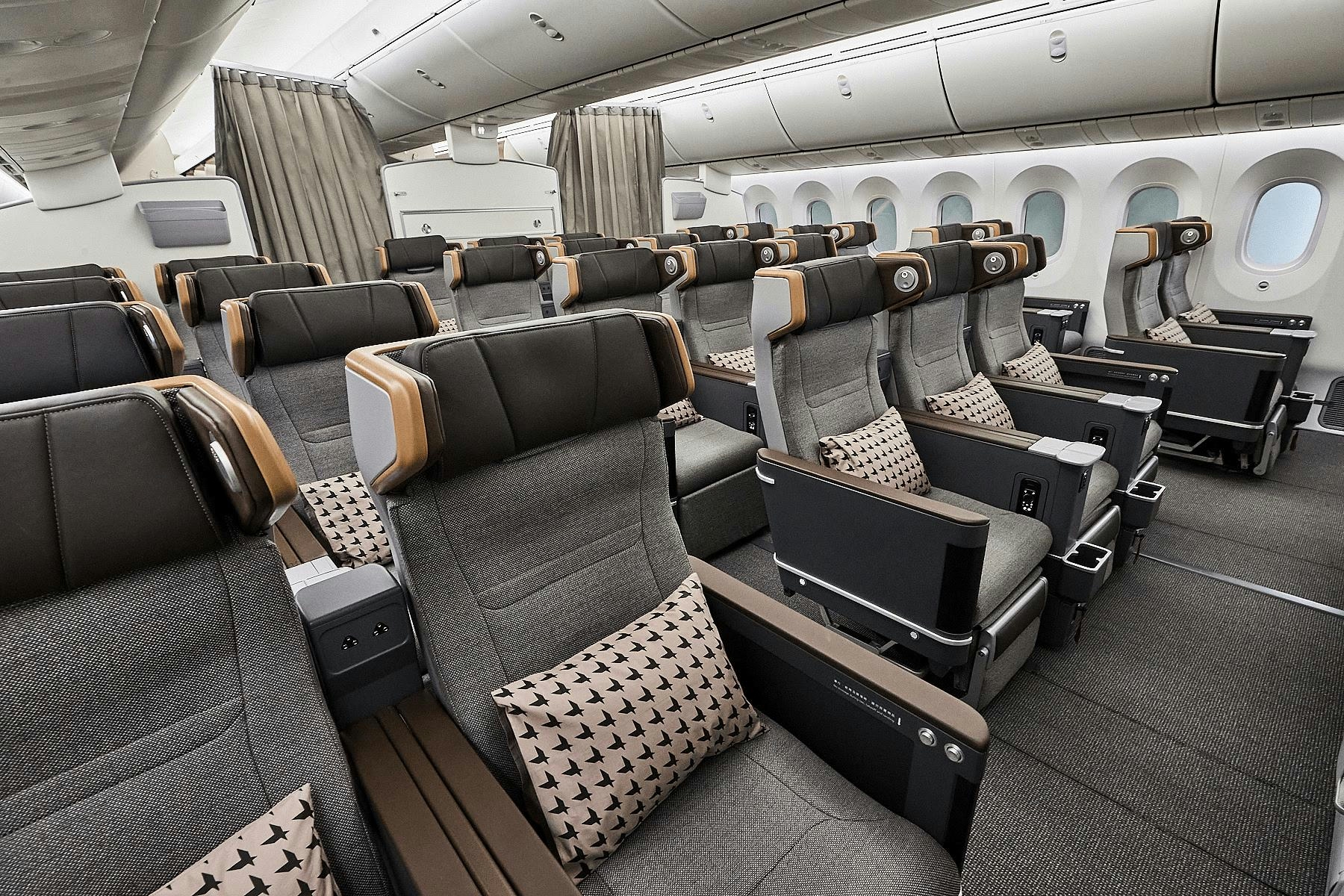
Singapore Airlines Leads Asian Carriers in Fleet Modernization and Service Innovation
Singapore Airlines has emerged as the foremost airline brand in Asia, outpacing regional competitors including Japan Airlines, Emirates, Qatar Airways, Turkish Airlines, ANA, and Thai Airways. This ascendancy is driven by a comprehensive strategy focused on aggressive fleet modernization, enhancements in premium service, and the introduction of advanced onboard experiences that are reshaping passenger expectations across the region.
Innovation and Industry Leadership
The airline’s commitment to innovation encompasses next-generation cabin designs and expanded global connectivity, positioning it at the forefront of recent industry rankings. Research indicates that Singapore Airlines now leads a highly competitive field, reflecting a broader shift in the aviation sector where comfort, cutting-edge technology, and personalized service have become critical differentiators.
The global aviation industry is undergoing rapid transformation, influenced by factors beyond mere fleet expansion or passenger volume growth. Intelligence, sustainability, and customer-centric innovation have become central to airline strategies worldwide. Investments in advanced technologies, particularly artificial intelligence, are enabling carriers to optimize operations and enhance the passenger experience. AI-driven analytics facilitate more efficient flight routing, predictive maintenance, and improved aircraft utilization, which collectively contribute to reduced fuel consumption, lower operational costs, and minimized downtime.
Sustainability has also taken a prominent role in strategic planning. Although sustainable aviation fuel (SAF) currently represents less than one percent of global aviation fuel consumption, the industry is firmly committed to achieving net-zero carbon emissions by 2050. This ambitious target is accelerating investments in cleaner technologies, alternative fuels, and more efficient aircraft operations.
Simultaneously, demand for premium travel is experiencing a resurgence, with both business and leisure travelers seeking elevated comfort and personalized services. Innovations such as biometric boarding, digital identity verification, and automated passenger processing are streamlining airport operations and significantly reducing wait times, in some cases by as much as 30 percent.
Challenges and Market Dynamics
Despite these advancements, Singapore Airlines faces several challenges that could impact its trajectory. Delays in the delivery of Boeing 777X aircraft, now anticipated only after April 2027, threaten to slow the airline’s fleet renewal plans. Additionally, the company is managing financial and operational complexities related to its investment in Air India. External pressures, including geopolitical tensions in the Middle East and rising fuel prices, further complicate the outlook for future earnings.
These factors have drawn increased scrutiny from investors and analysts and may influence competitive dynamics within the Asian airline market. To sustain its leadership position, Singapore Airlines and its regional rivals must continue to innovate and adapt amid evolving industry pressures.
Anup Kumar Keshan, Founder and Editor-in-Chief of Travel And Tour World, observes that “these developments are redefining the future of aviation, creating a smarter, greener, and more passenger-centric industry.”
Leading Asian Airlines by Innovation and Service
Singapore Airlines currently tops the list of Asia’s most innovative and service-oriented carriers, followed by Qatar Airways, Turkish Airlines, Japan Airlines, Cathay Pacific, IndiGo, Saudia, Korean Air, All Nippon Airways (ANA), and Malaysia Airlines. As the aviation landscape continues to evolve, Singapore Airlines’ dedication to modernization and service excellence will be critical in setting new benchmarks for the region’s airline industry.
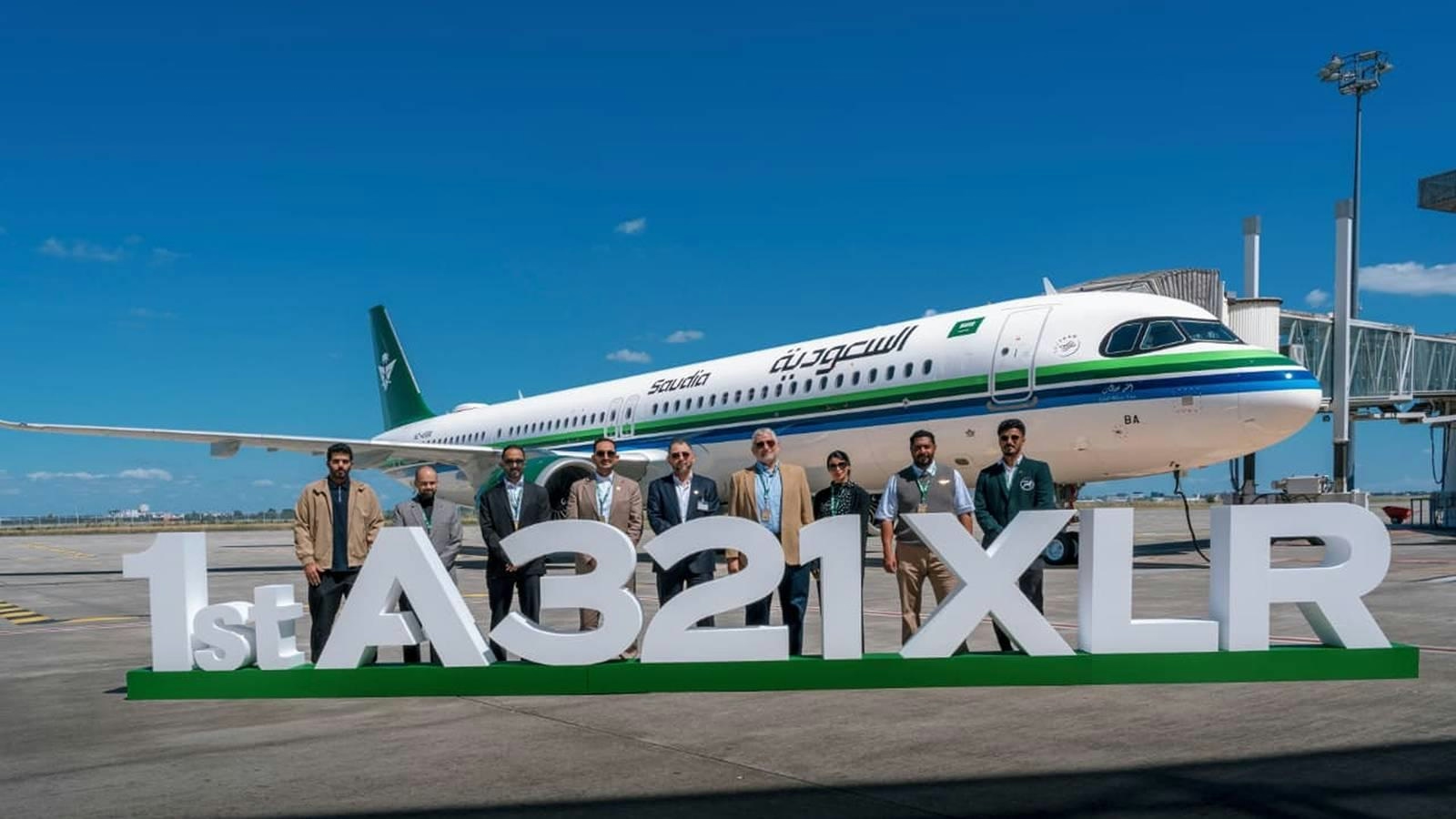
Saudia Plans to Add 12 New Aircraft to Fleet in 2026

Floating Fleet AI Unveils Aviation Scheduling Platform at Aviation Festival Americas 2026

APATS 2026 to Address AI, Pilot Shortages, and Training Standards in Bangkok
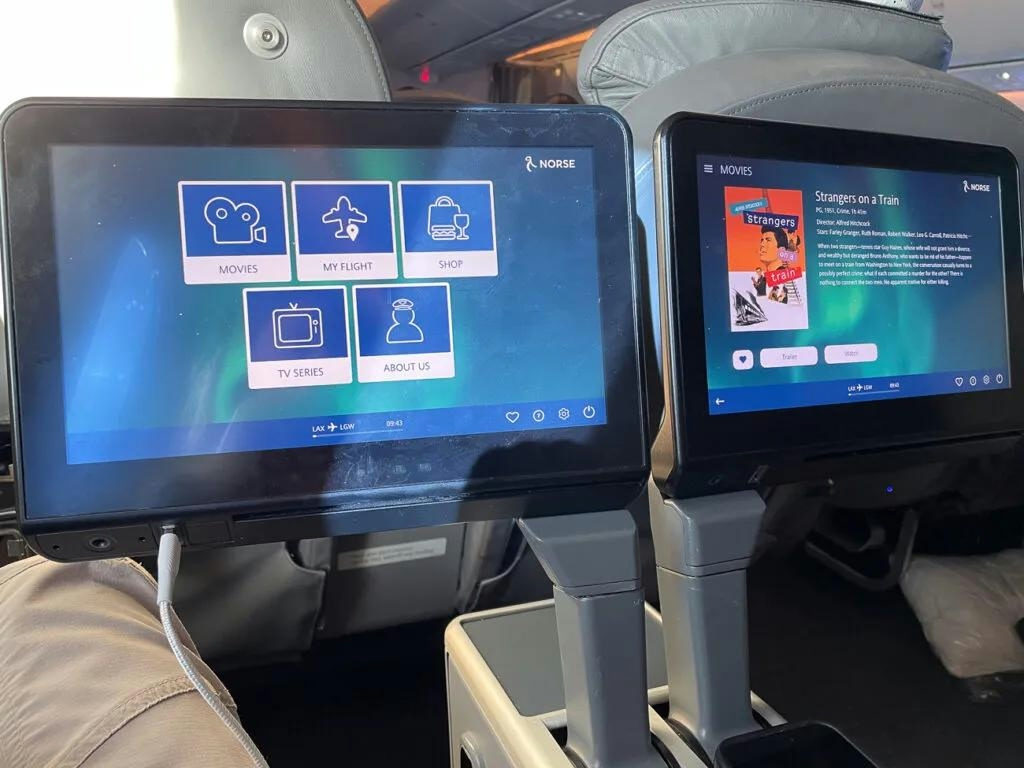
Norse Atlantic Airways Offers Low-Cost Tickets with Conditions
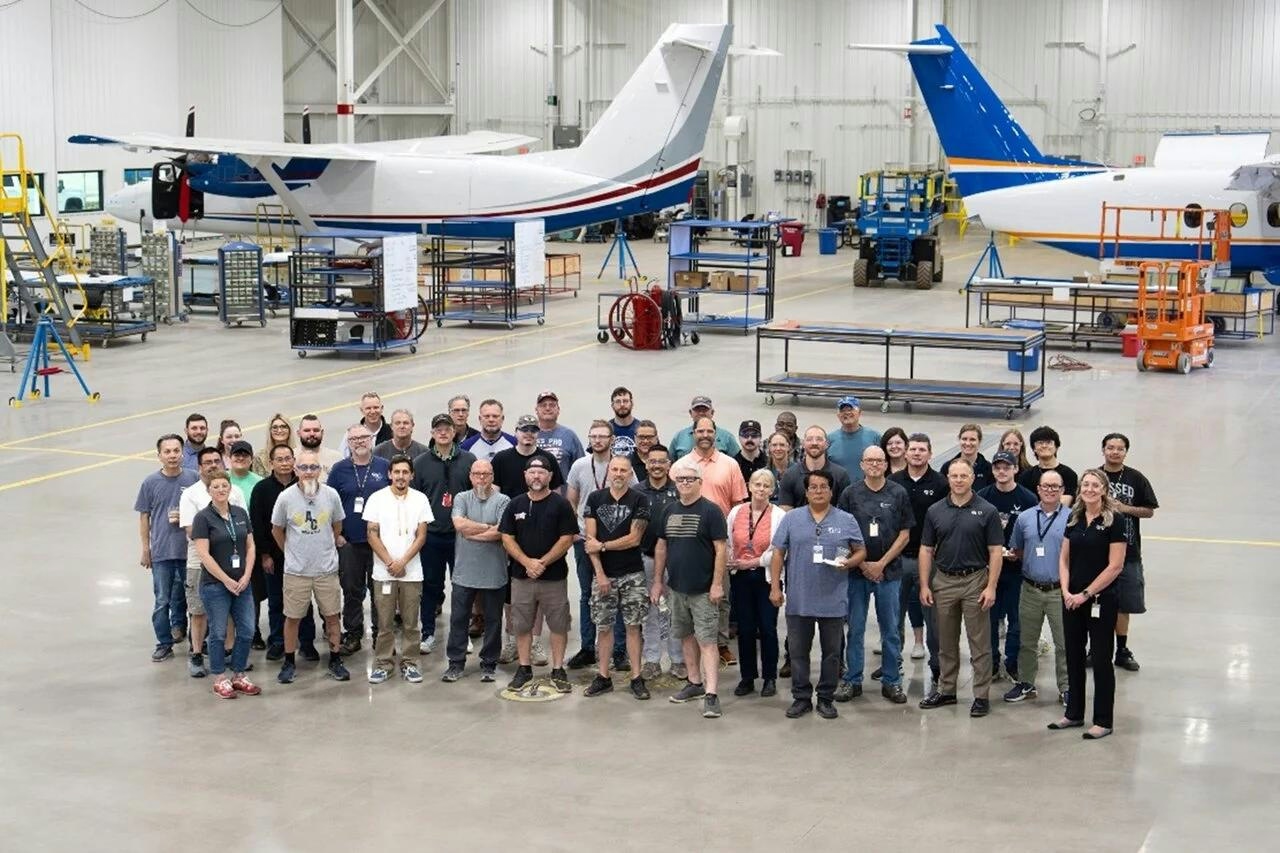
Textron Expands Flight Test Capabilities
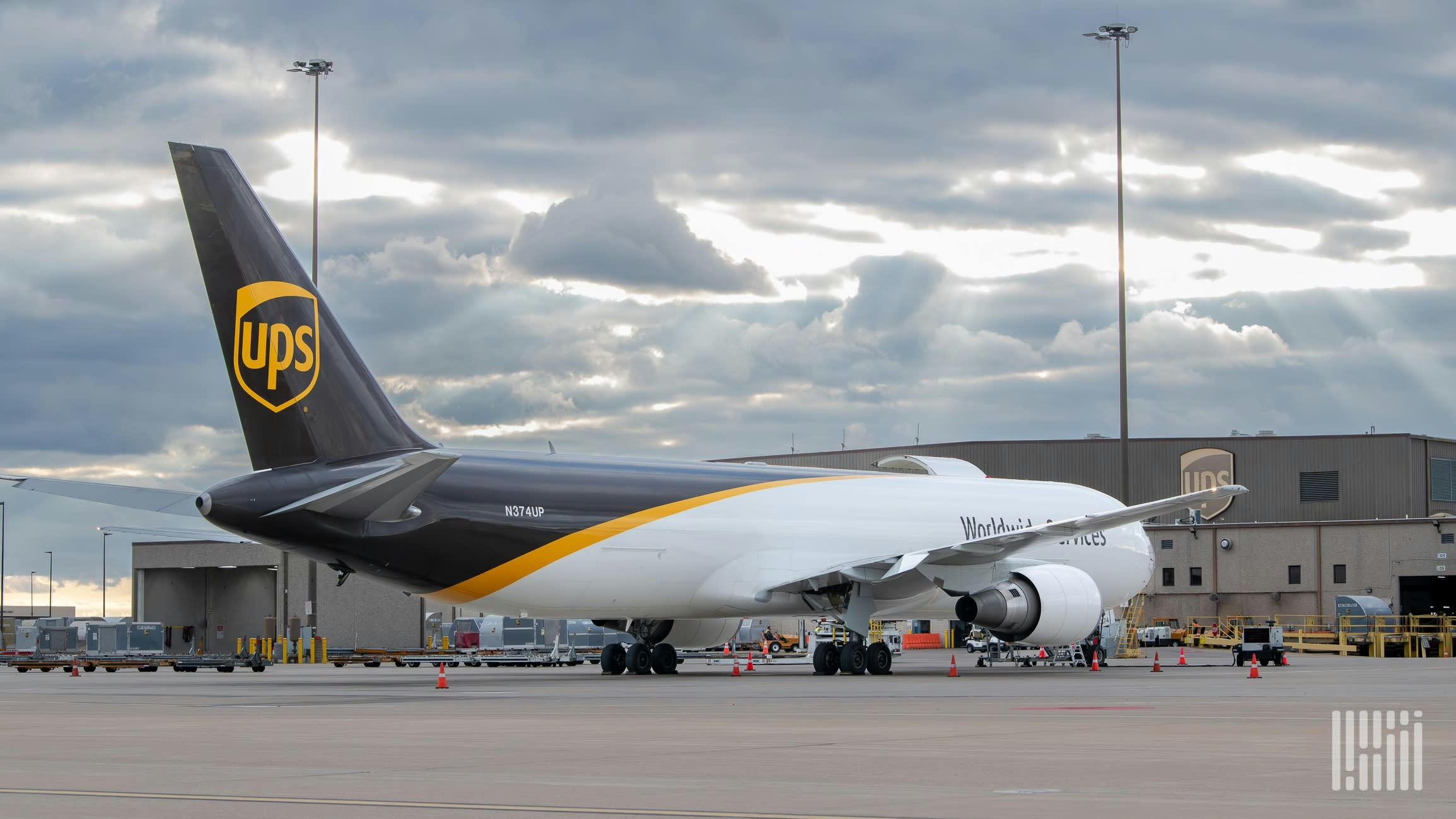
Titan Aviation Leasing Sells Boeing 767-300ERF to CAM
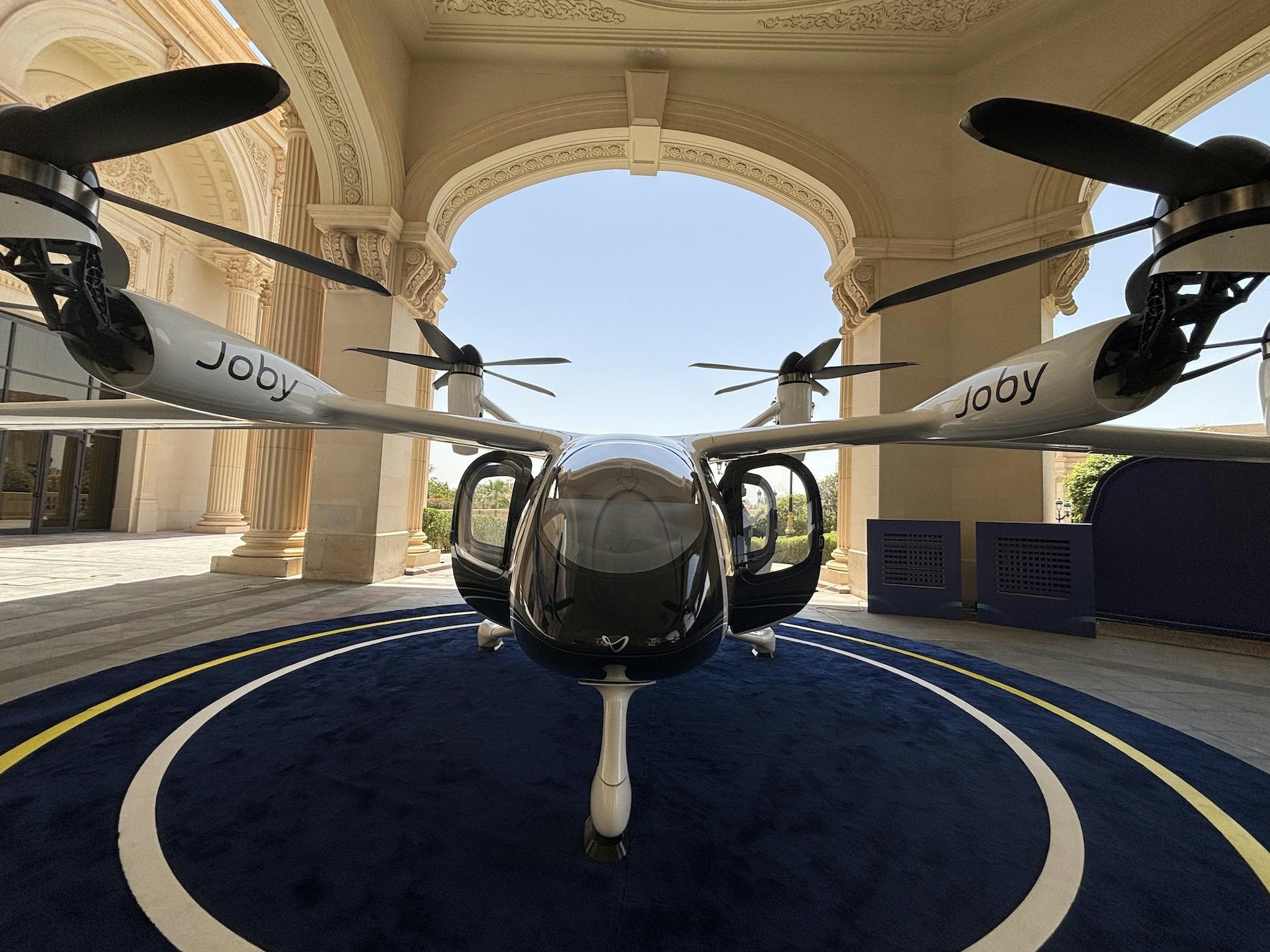
Saudi Arabia Explores Advanced Airspace and Operational Feasibility to Support Future Aviation
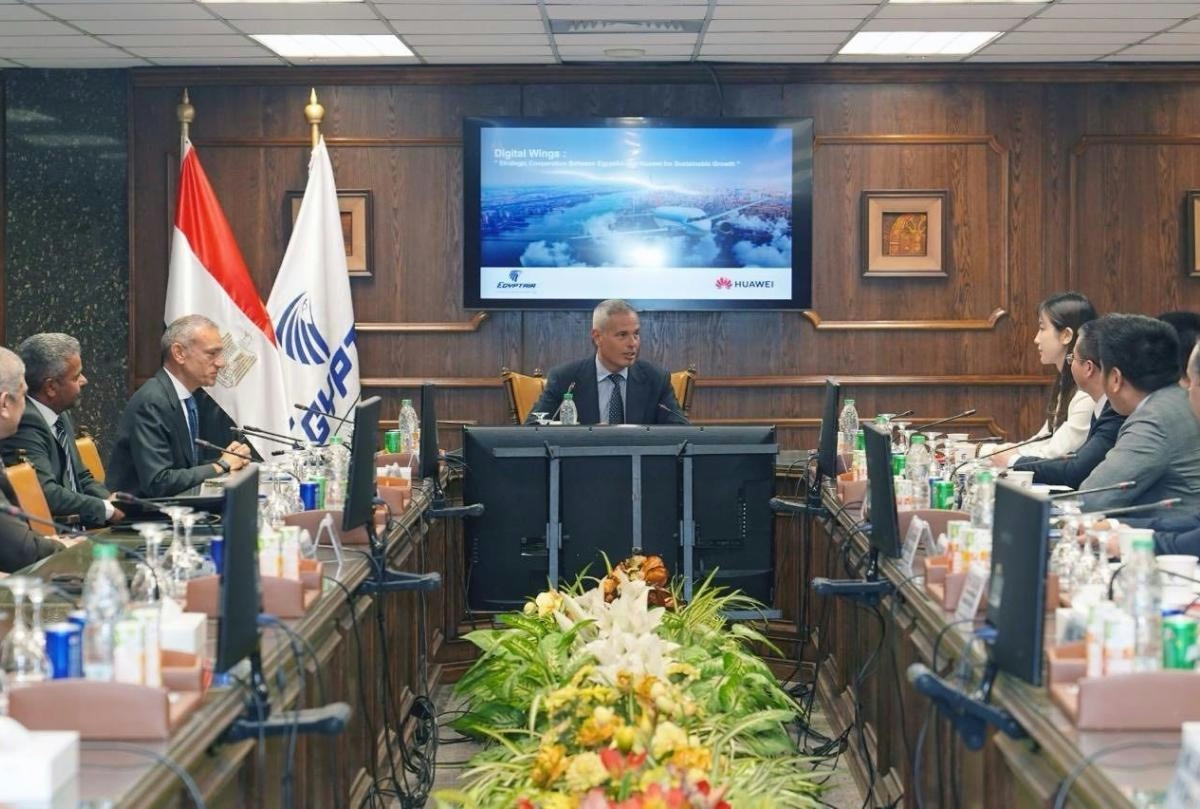
Egypt Invests in Aviation Modernization Through AI and IoT
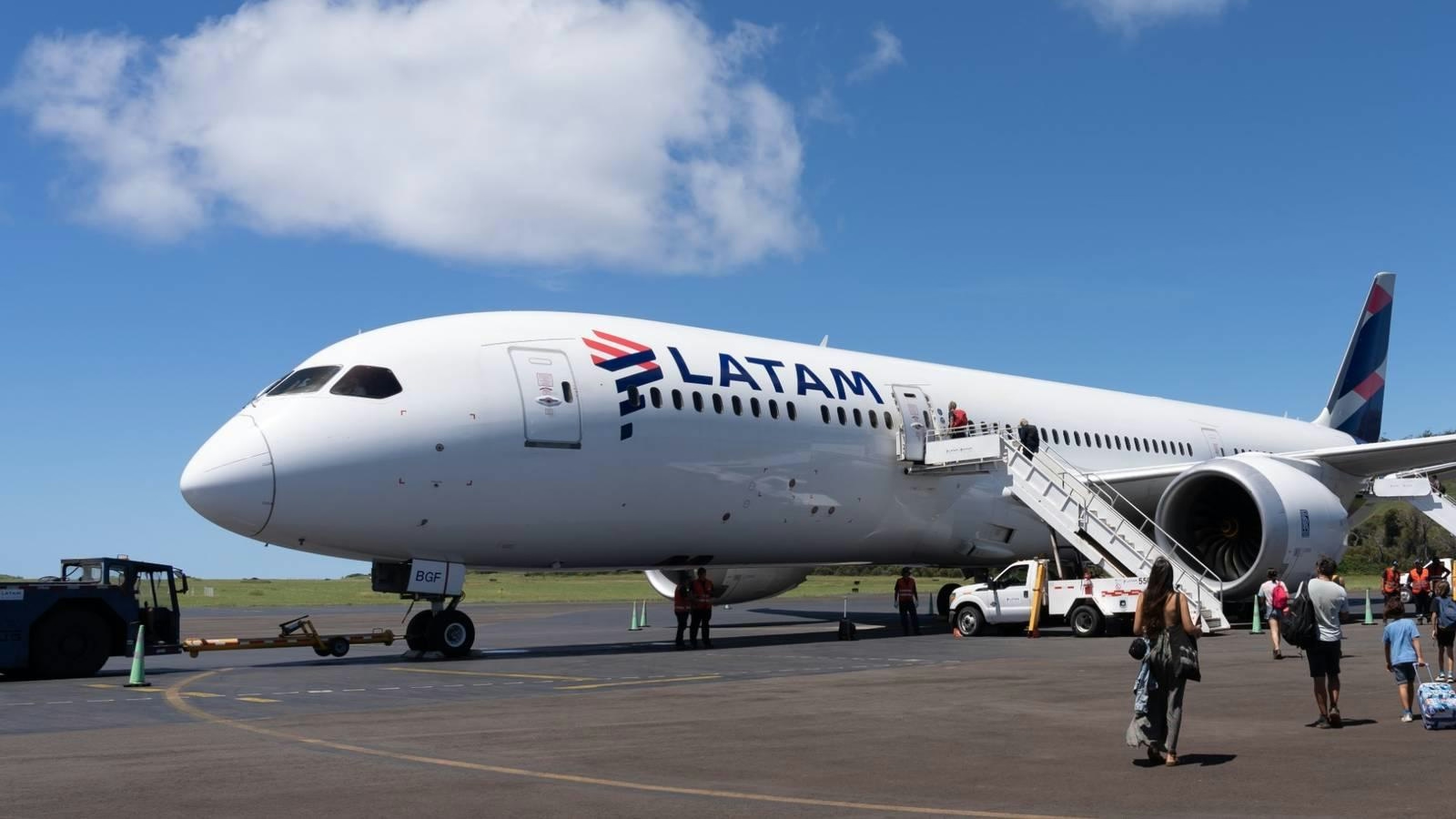
LATAM Boeing 787 Grounded at Remote Airport After Door Damaged by Airstairs
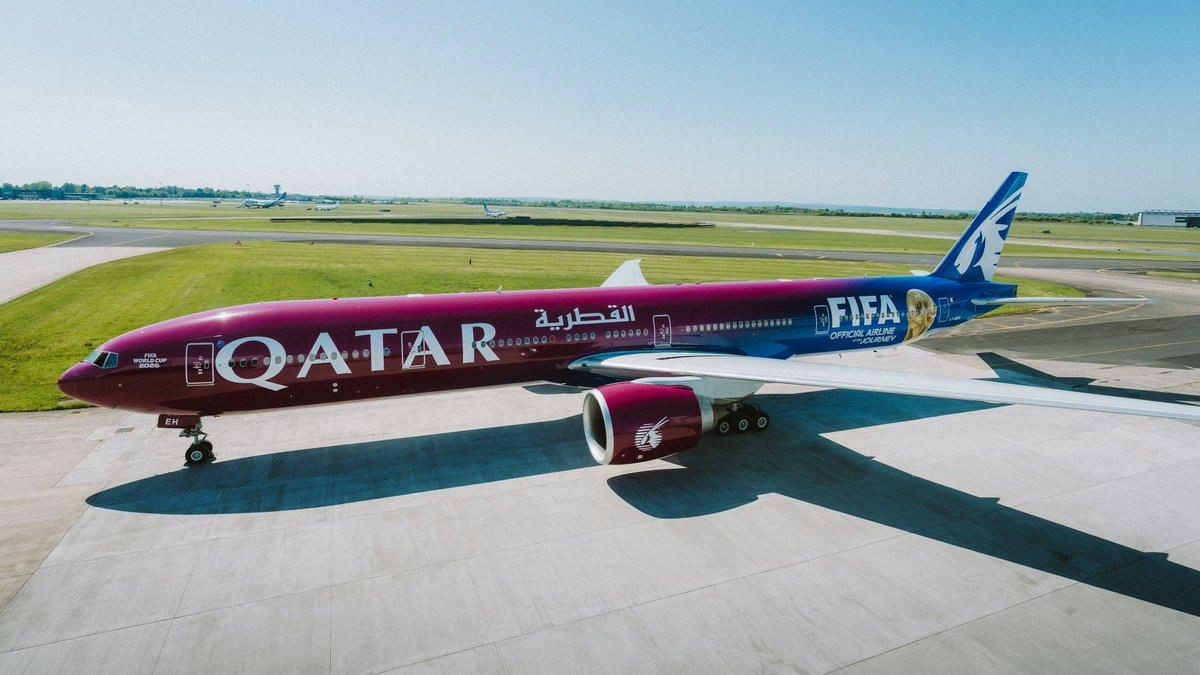
Qatar Airways Boosts Budapest-Paris Flights with New Wide-Body Jets Ahead of PSG Matches
