Image

Orchestrate AI insights into action

Join the AeroGenie waitlist today!

Trending

Categories

Unique Capabilities of the Airbus A380 for Airlines
June 21, 2026By ePlane AI
Unique Capabilities of the Airbus A380 for Airlines
0
0
Airbus A380
Slot-Restricted Airports
Long-Haul Operations

Unique Capabilities of the Airbus A380 for Airlines

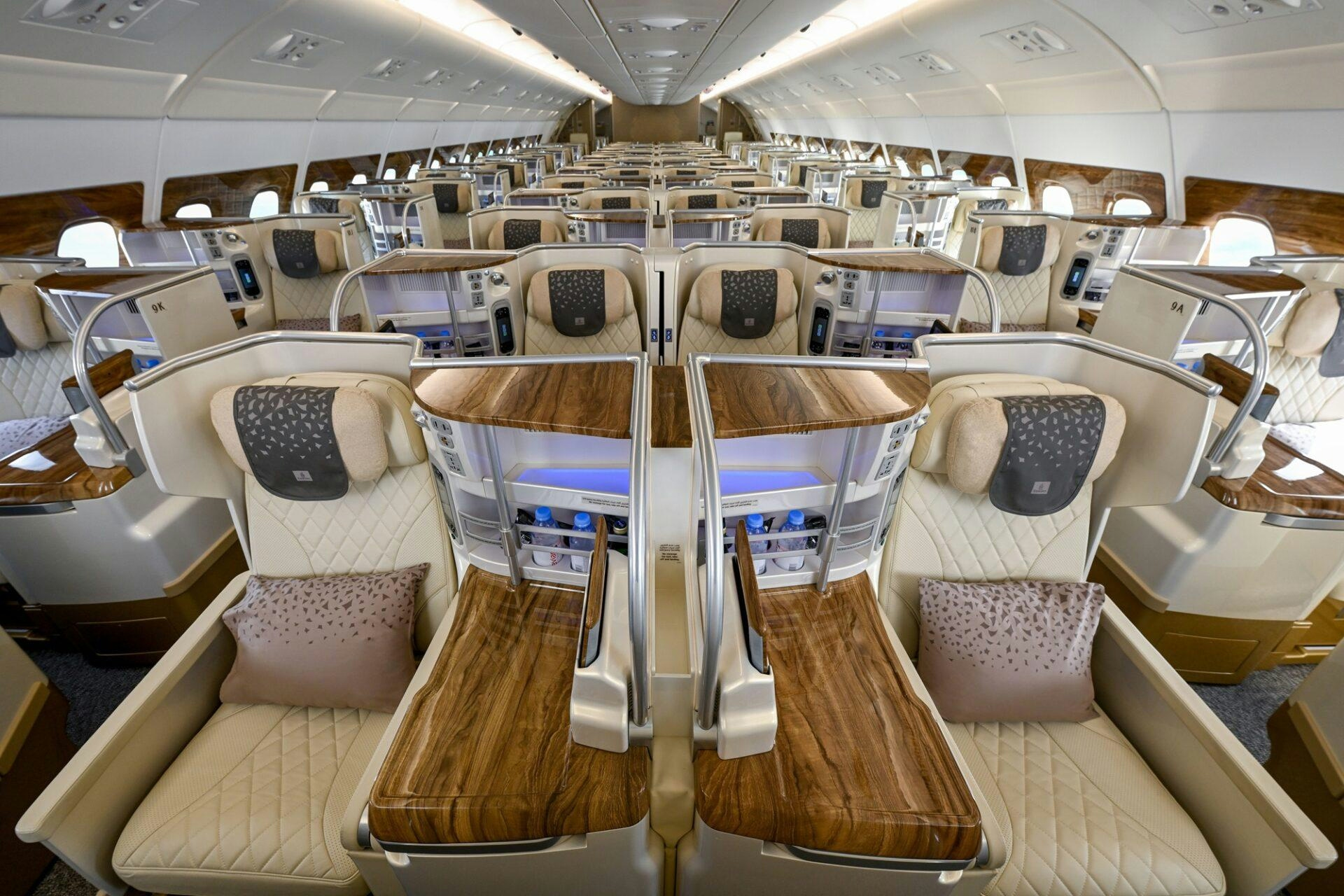
London, June 21, 2026 — The Airbus A380 continues to hold a significant position within the fleets of several global airlines, particularly at slot-restricted airports and on premium long-haul routes. Although production of the aircraft has ceased, ten carriers still operate the double-decker superjumbo, capitalizing on its unparalleled passenger capacity and range to optimize network efficiency where increasing flight frequencies is not feasible.

Strategic Value at Congested Airports

Industry data highlights the A380’s critical role at congested hubs such as London-Heathrow, where stringent limits on takeoff and landing slots restrict the ability to add more flights. Airlines like British Airways and Emirates deploy the A380 during peak travel periods to maximize seat availability without the need for additional slot allocations. This strategy enhances revenue potential on high-demand routes by consolidating passenger loads into fewer flights, thereby making the most of limited airport infrastructure.

British Airways currently operates the A380 on routes to destinations including Boston, Dallas/Fort Worth, Dubai, Johannesburg, Los Angeles, Miami, Singapore, and San Francisco. While not all these routes face slot constraints, Heathrow’s restrictions often render frequency increases financially impractical. The A380’s large capacity allows the airline to maintain service levels and meet demand efficiently under these conditions.

Emirates, the largest operator of the A380 with 116 active aircraft, has committed to flying the type until at least 2041, citing sustained profitability on key routes. Other carriers such as Singapore Airlines and All Nippon Airways (ANA) maintain smaller A380 fleets, while some airlines have begun phasing out the aircraft in response to shifting market dynamics and economic pressures. The high operational costs associated with the A380, combined with a limited operator base, have led several airlines to retire or reduce their fleets, particularly in the aftermath of recent global travel disruptions.

Market Reception and Operational Challenges

The market response to the A380 has been mixed. Although its specialized cabin configurations and long-range capabilities continue to generate substantial revenue for certain operators, the aircraft did not achieve the commercial breakthrough Airbus initially anticipated. The program ultimately failed to turn a profit, with only 251 units ordered before production ended. Early resistance to the A380 stemmed from changing passenger preferences and concerns over fuel efficiency, prompting many airlines to favor smaller, more flexible widebody jets.

Competitors have shifted focus toward profitability and fleet modernization. For example, American Airlines has expressed interest in acquiring new widebody aircraft from Boeing or Airbus, emphasizing operational efficiency and competitive positioning rather than directly addressing the unique advantages of the A380.

Despite these challenges, the A380’s engineering remains remarkable. With a maximum takeoff weight of 575 tons and a range nearing 8,000 nautical miles (approximately 15,000 kilometers), the aircraft is considered overbuilt for many contemporary missions. However, these specifications enable airlines to serve high-yield, long-haul routes between major global hubs where capacity and payload are critical.

As airlines continue to navigate evolving market conditions, the future of the A380 will hinge on balancing its operational benefits at congested airports against the economic realities of maintaining such a large and specialized fleet. For the time being, the superjumbo remains a strategic asset for carriers aiming to maximize returns on their most valuable routes.
More news
Nomad Technics Completes BBJ Upgrade

Nomad Technics Completes BBJ Upgrade

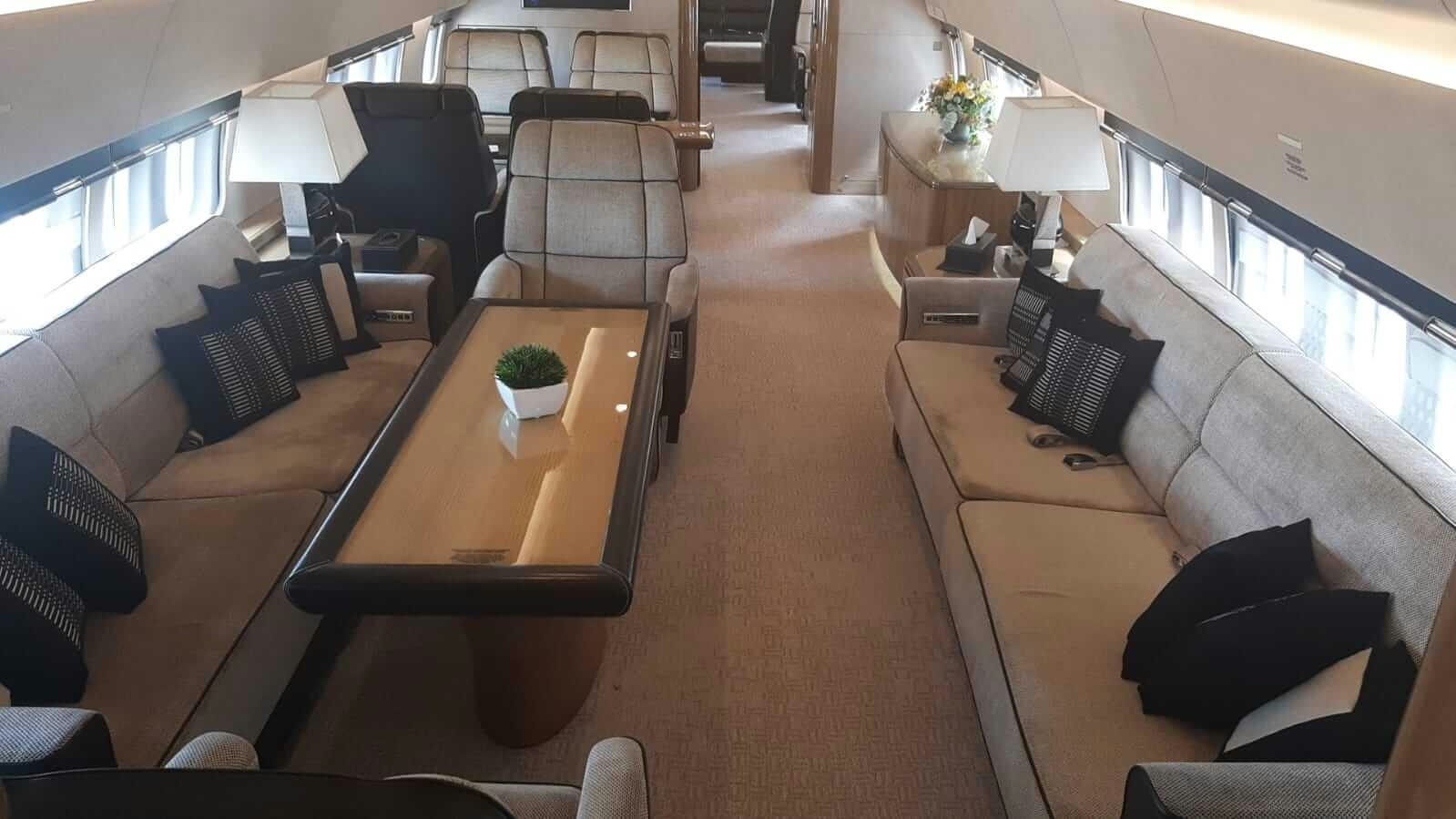
Nomad Technics Completes Major BBJ Upgrade for Action Aviation Nomad Technics has successfully completed an extensive maintenance and upgrade program on a Boeing Business Jet (BBJ) for Action Aviation. The aircraft was brought to Nomad Technics’ Basel facility for a comprehensive 12-year inspection and a landing gear overhaul. Seizing the opportunity presented by the aircraft’s downtime, Action Aviation commissioned a series of significant enhancements to both the aircraft’s systems and interior. Advanced Connectivity and Interior Refurbishment One of the most notable technical upgrades was the installation of the Gogo Galileo FDX satcom system, marking one of the first such implementations on a BBJ worldwide. This enhancement significantly improves the aircraft’s connectivity capabilities, meeting the growing demand for reliable in-flight communication. The cabin also underwent a full refurbishment, with Aero Visto re-upholstering all seats and divans in a bespoke design, complemented by new carpeting supplied by Simrick to refresh the cabin’s aesthetic. The in-flight entertainment system received a comprehensive modernization. Larger, higher-resolution monitors replaced the previous screens, and a custom app-based video-on-demand streaming system was introduced to align with the client’s specific requirements. Additionally, the cabin lighting was upgraded to multi-colour LED mood lights, controllable via an app, while a new app-based moving map system was installed for display on both cabin monitors and personal devices, enhancing passenger experience and convenience. Collaborative Project Execution and Industry Implications Brigita Vildžiūnienė, Director of Sales at Nomad Technics, emphasized the collaborative nature of the project, noting that the client’s involvement from the quotation phase through to completion fostered trust and efficiency. She remarked, “The project was interesting and challenging to put together, but I think that’s something that made us win because the client saw how quickly and efficiently we can do things. Our responsiveness, honesty and transparency built trust with the customer and we carried that on throughout the project.” Thomas Gierlich, CEO of Nomad Technics, expressed gratitude towards Action Aviation and the company’s partners for entrusting them with such a large-scale project, describing the experience as “wonderful.” While the successful completion of this BBJ upgrade highlights Nomad Technics’ technical expertise and commitment to quality, it also underscores ongoing challenges. Maintaining high standards while managing production costs remains critical, particularly as customer expectations for business jet upgrades continue to rise. Positive market reception will depend on the delivery of promised enhancements, with any shortcomings potentially affecting customer satisfaction and the company’s reputation. The competitive landscape is evolving as rival maintenance providers may introduce similar upgrades to remain competitive, potentially intensifying competition and exerting price pressures within the business jet market. This environment necessitates a careful balance of innovation, quality, and cost-effectiveness for Nomad Technics moving forward. Nomad Technics AG, the maintenance division of Nomad Aviation AG based at EuroAirport in Basel, Switzerland, is an EASA Part-145 approved organization. The company specializes in maintenance, inspection, and non-routine repair work on Bombardier Global and Challenger business jets, as well as line and base maintenance for the Airbus A320 family (neo and ceo) and Boeing 737NG and MAX series aircraft.
Nikita Ermoshkin: Putting the Pilot at the Center of Aviation Innovation

Nikita Ermoshkin: Putting the Pilot at the Center of Aviation Innovation

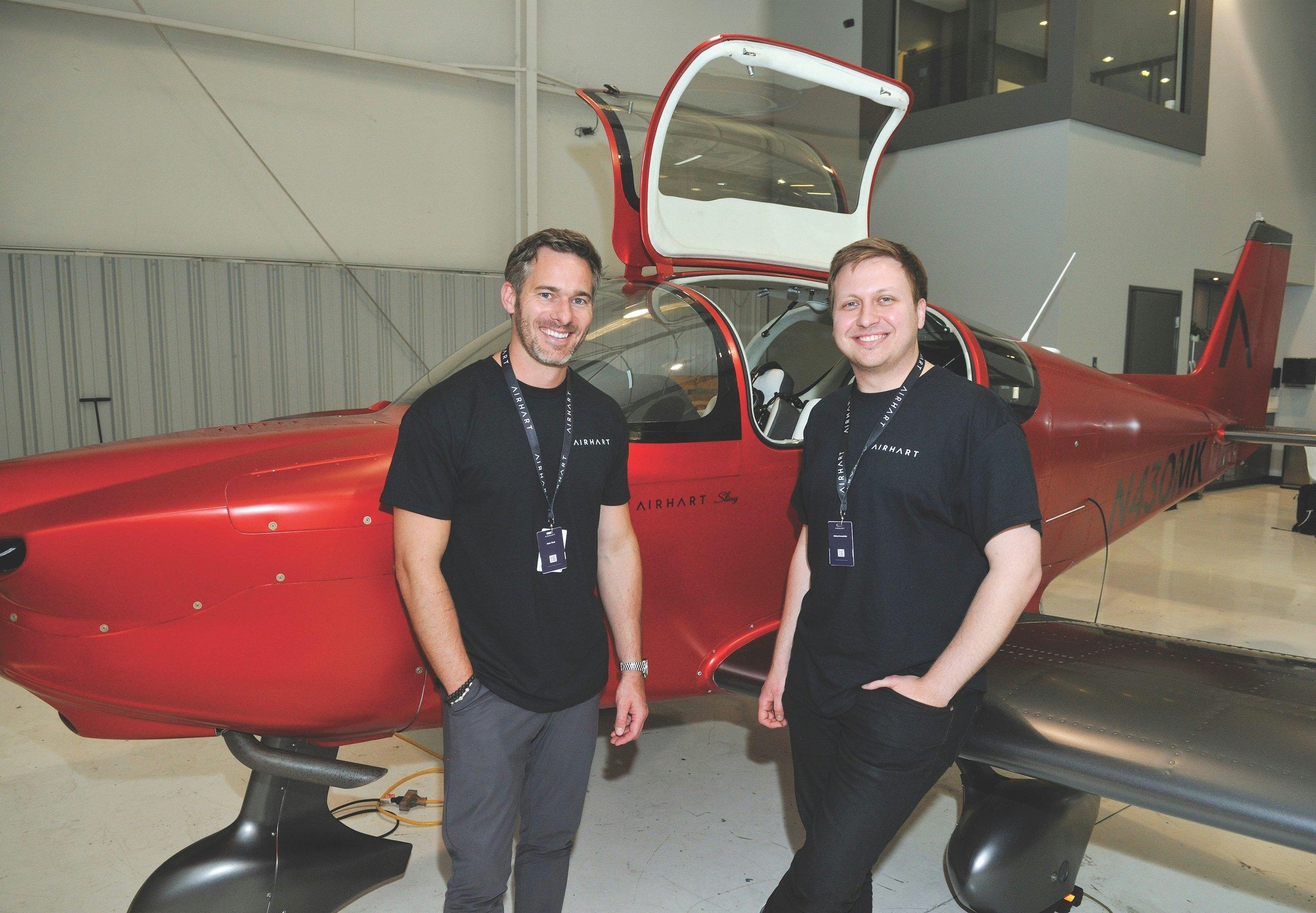
Nikita Ermoshkin: Putting the Pilot at the Center of Aviation Innovation As the aviation industry rapidly advances toward automation, the prospect of fully autonomous, crewless flights often dominates discussions. However, Nikita Ermoshkin, founder and CEO of Airhart Aeronautics, presents a compelling alternative vision. He contends that genuine innovation must preserve the human pilot as the central figure within the cockpit, integrating technology to enhance rather than replace human judgment. Redefining the Role of the Pilot Ermoshkin emphasizes that while automation and autonomous safety systems will inevitably become integral to aviation, the pilot’s role should remain paramount. Drawing from his own experience as a student pilot and his engineering background at SpaceX, he found traditional general aviation aircraft overly complex and mentally demanding. Legacy light aircraft require continuous mechanical multitasking, which often detracts from a pilot’s ability to focus on critical safety decisions. Airhart Aeronautics addresses this challenge by automating routine aerodynamic adjustments, thereby allowing pilots to concentrate on situational awareness, weather navigation, and communication with air traffic control. In this model, software manages micro-level controls while the pilot retains ultimate authority over the flight. Broad Appeal Among Pilots Airhart’s pilot-centric system has garnered positive responses from both novice and experienced aviators during prototype and simulator testing. For beginners, the simplified cockpit environment reduces anxiety and cognitive load, potentially making flight training more accessible and helping to lower the industry’s high dropout rates. Ermoshkin notes that users consistently describe the system as less intimidating and remarkably low-stress. Veteran pilots, who often approach automation with skepticism, have also welcomed the technology. Rather than diminishing traditional skills, Airhart’s fly-by-wire automation alleviates fatigue and mental strain during extended flights. The platform’s advanced, data-driven flight analysis tools serve as a digital coach, enabling seasoned pilots to review and refine their performance after each journey. Industry Challenges and Emerging Opportunities Despite encouraging early feedback, Ermoshkin acknowledges the significant obstacles that lie ahead. The aviation sector’s entrenched regulatory environment and established industry practices pose formidable barriers for new technologies. Successfully integrating Airhart’s innovations with existing systems and securing widespread pilot acceptance will require careful navigation of regulatory frameworks and industry conventions. Market reactions have been mixed. While some traditional pilots and airlines remain skeptical, others recognize the potential for AI-driven systems to improve safety and operational efficiency. Competitors are responding by exploring similar technologies or devising strategies to maintain their market share. Recent developments, including advances in AI-powered pilot assistance and the Federal Aviation Administration’s support for workforce development grants, indicate a broader industry shift toward innovation and inclusivity. Within this evolving landscape, Ermoshkin’s vision of centering the pilot within a technologically advanced ecosystem may serve as a bridge between aviation’s traditional foundations and its future transformation. By prioritizing both human capability and technological progress, Airhart Aeronautics aspires not only to develop a new aircraft but to fundamentally reshape the flight experience for the next generation.
Boeing’s 777X Completes Flight Tests but Service Entry Delayed Until 2027
Boeing’s 777X Completes Flight Tests but Service Entry Delayed Until 2027

Boeing’s 777X Completes Flight Tests Amid Service Entry Delay Boeing’s 777X program has achieved a major milestone with the completion of its primary flight test campaign, marking significant progress after years of anticipation and multiple delays. However, the aircraft’s entry into commercial service has been postponed until 2027, primarily due to the extended timeline required for the Extended-range Twin-engine Operational Performance Standards (ETOPS) certification. Development and Certification Challenges Introduced in 2013 as the successor to the highly successful 777-300ER, the 777X was originally scheduled to enter service in 2020. Since then, the timeline has been repeatedly pushed back, with the latest delay attributed not to general testing setbacks but to the stringent regulatory demands of ETOPS certification. This certification is critical for twin-engine aircraft like the 777-9, as it governs the maximum distance the plane can operate from a diversion airport—a vital consideration for the ultra-long-haul routes that define the aircraft’s commercial appeal. Boeing CEO Kelly Ortberg recently confirmed that while the main flight test program is expected to conclude by the end of 2026, ETOPS testing will continue into 2027, becoming the decisive factor in the final certification process. FAA Administrator Bryan Bedford has indicated that the 777X certification will follow the approval of the 737 MAX 7 and MAX 10 models, further extending the timeline into next year. The FAA has authorized Boeing to commence the final significant certification phase for the 777-9, focusing on critical systems such as avionics. ETOPS certification is among the most rigorous in the aviation industry. Regulators must thoroughly assess not only the reliability of the aircraft and its engines but also the resilience of its systems, maintenance protocols, and operational procedures. For airlines, obtaining ETOPS approval is essential; without it, the 777-9 cannot be deployed on many of the long-haul and transoceanic routes for which it was designed. As Ortberg emphasized, ETOPS represents the final major hurdle before full certification can be granted. Industry Response and Outlook Despite the delays, airlines remain cautiously optimistic about the 777X’s future. Emirates, the largest customer for the aircraft, has expressed hope of receiving its first 777X by June next year, though it acknowledges that this timeline is contingent on the pace of ETOPS certification. Emirates has also raised concerns regarding the Rolls-Royce engine powering the competing Airbus A350-1000, highlighting the competitive stakes for both manufacturers. Meanwhile, All Nippon Airways (ANA) anticipates receiving its first 777-9s in 2027 and has developed contingency plans in case of further postponements. The 777X has already accumulated thousands of test hours and cleared significant certification milestones. However, until ETOPS approval is secured, its operational deployment remains limited. Delivering the aircraft without ETOPS certification would restrict airlines from utilizing it on their most critical long-haul networks, thereby diminishing its immediate commercial value. As Boeing advances through the final stages of certification, industry attention remains focused on the outcome of ETOPS testing. This process will ultimately determine when the world’s newest large twin-engine jet can commence operations on its intended ultra-long-haul routes.
US Air Force Receives Interim VC-25B Air Force One
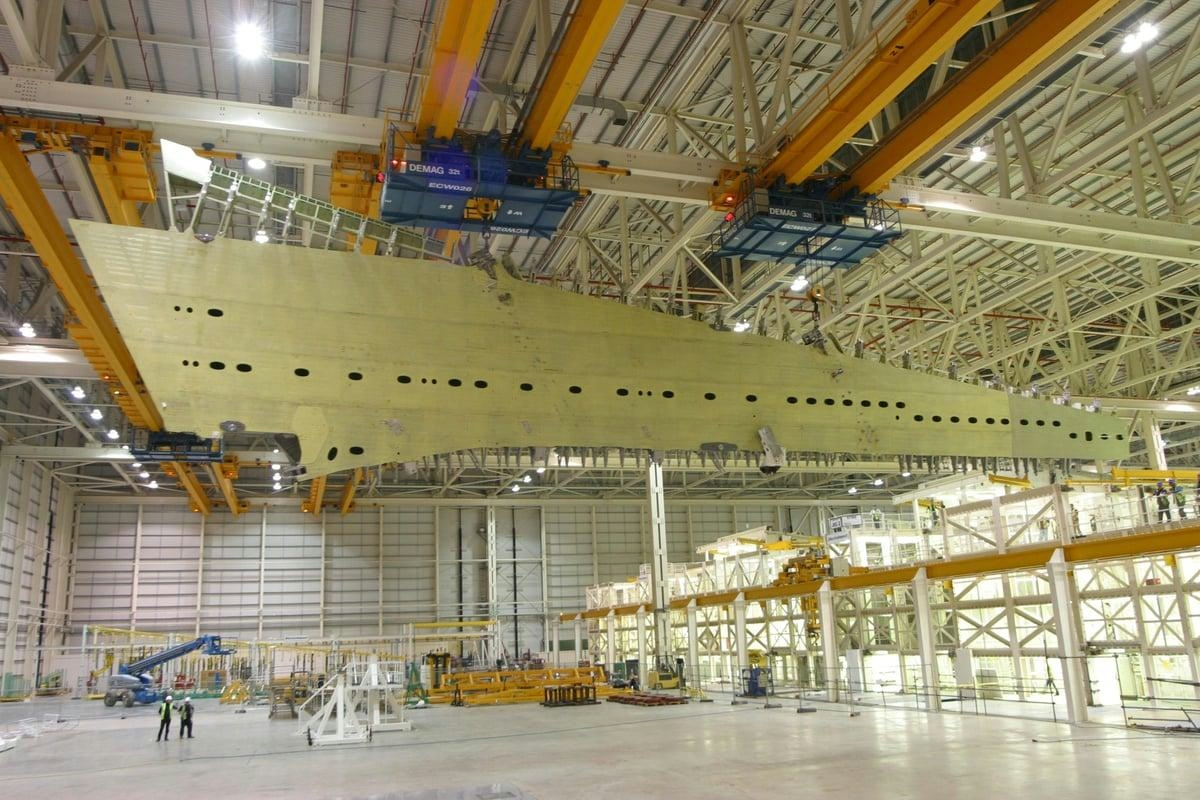
US Air Force Receives Interim VC-25B Air Force One

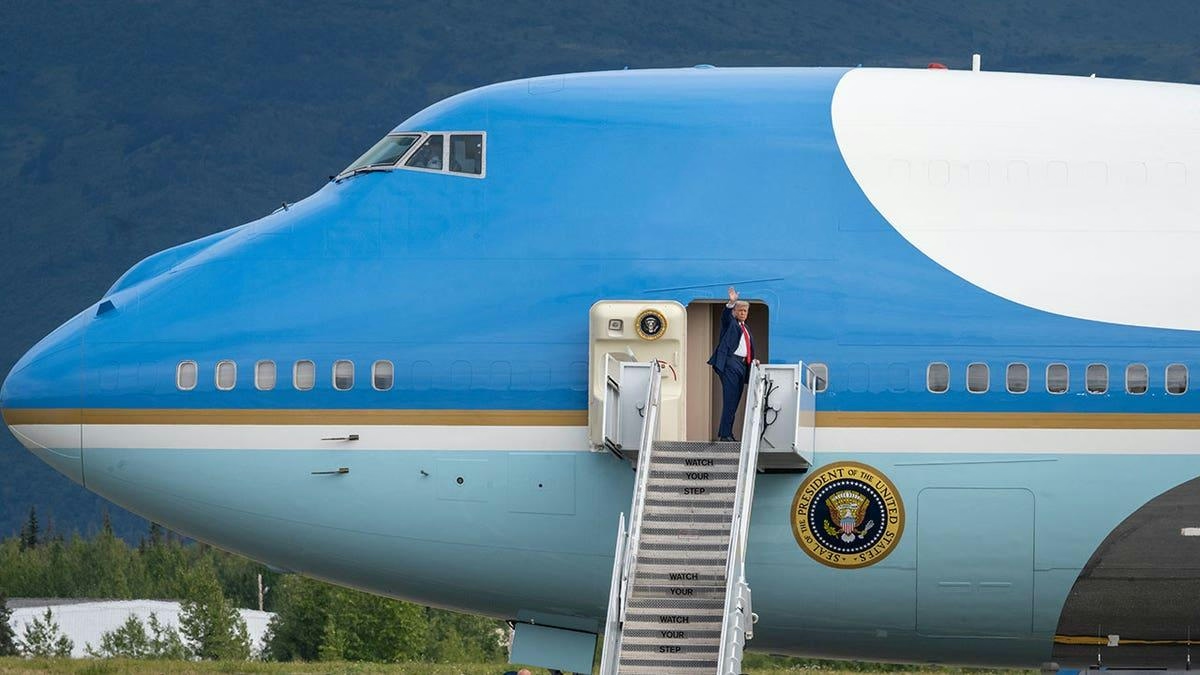
US Air Force Receives Interim VC-25B Air Force One The United States Air Force has officially taken delivery of the VC-25B Bridge aircraft, a Boeing 747-8(BBJ) generously donated by the Qatari government. This aircraft will serve as the interim Air Force One while the next generation of presidential aircraft is under development. The VC-25B Bridge arrived on June 19 at Joint Base Andrews, Maryland, just ahead of the nation’s 250th anniversary celebrations. Refurbishment and Modifications The aircraft, bearing manufacturer serial number 37075, underwent extensive refurbishment by L3Harris Technologies. It now sports a new red, white, and blue livery and has been outfitted with final government modifications to meet the rigorous standards required for presidential transport. Commissioning flights have commenced at Joint Base Andrews as the aircraft prepares for operational deployment. Context and Future Plans This delivery addresses delays in the refurbishment of two new Boeing 747-8s intended to replace the aging VC-25A aircraft currently in service. The new VC-25Bs are not expected to enter service until 2028. The interim solution was partly driven by former President Donald Trump’s dissatisfaction with Boeing’s timeline for the new aircraft. Consequently, the acceptance of Qatar’s donation in July 2025 was formally approved by the Trump administration the following month. Secretary of the Air Force Troy Meink underscored the urgency and precision of the project, stating, “From the beginning, we meticulously evaluated every requirement to accelerate delivery while maintaining the high standards expected of the presidential mission. This effort proves that the US Air Force can move fast without sacrificing quality, security, or reliability.” Ensuring Presidential Readiness The Qatari-donated aircraft has been transformed into a secure and luxurious flying White House, ensuring continuity for the commander in chief during this transitional period. President Trump highlighted the aircraft’s upgraded features during its unveiling, emphasizing its critical role in maintaining presidential readiness. With the VC-25B Bridge now operational, the Air Force guarantees uninterrupted, secure air transport for the president until the arrival of the next-generation Air Force One fleet.
EASA Orders Urgent Wing-Spar Crack Inspections on Airbus A380 Fleet
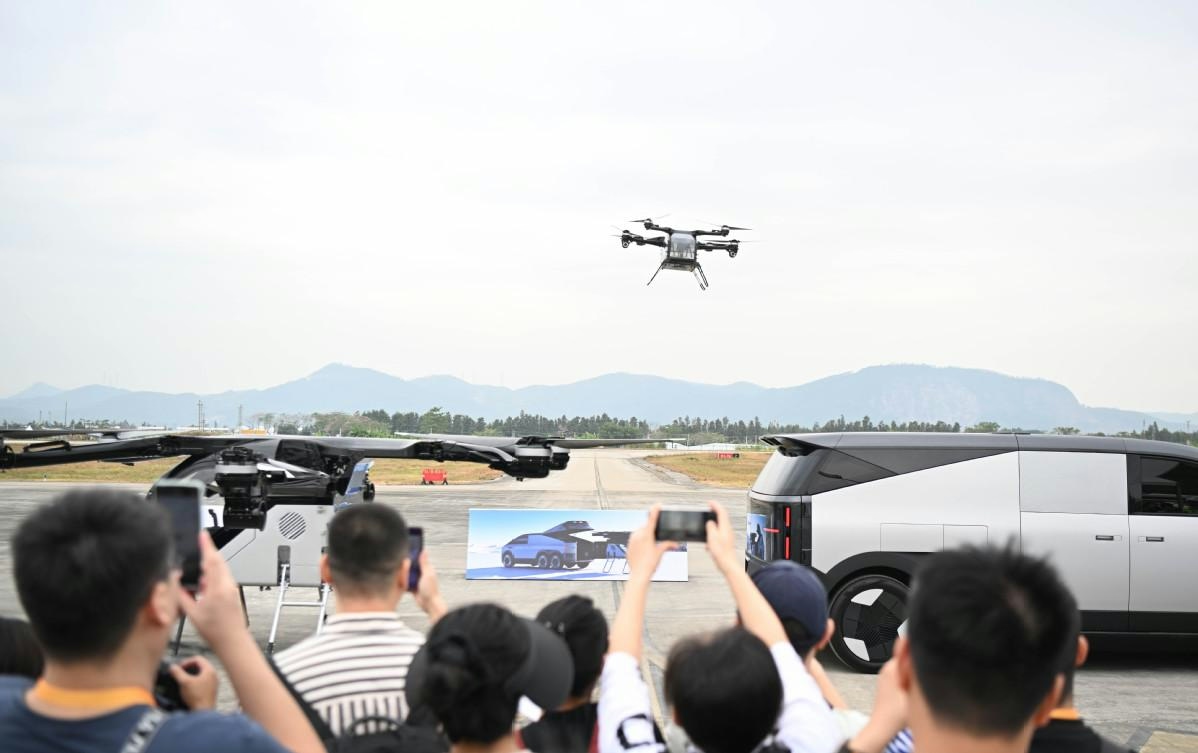
EASA Orders Urgent Wing-Spar Crack Inspections on Airbus A380 Fleet

EASA Mandates Immediate Wing-Spar Crack Inspections on Airbus A380 Fleet The European Union Aviation Safety Agency (EASA) has issued an urgent airworthiness directive requiring comprehensive inspections of the Airbus A380 fleet following the discovery of cracks in a critical wing component. This directive affects 16 aircraft currently in operation worldwide and places particular emphasis on Emirates, the largest operator of the superjumbo. Discovery of Cracks in a Critical Wing Structure The cracks were identified during routine maintenance checks in the wing spar, a principal structural beam that extends along the wing and bears significant aerodynamic loads during flight. EASA has indicated that the affected area lies within the outer wing section, a region subjected to considerable stress. Although the agency has not revealed the precise number of aircraft with confirmed cracks, the broad scope of the directive suggests a precautionary approach aimed at preventing a wider structural issue across the global fleet. This directive follows a series of inspections conducted over the past two years, which uncovered cracks in both the rear and front spars of certain A380s. The urgency of the current mandate underscores the potential risk to the aircraft’s structural integrity if such damage remains undetected, compelling EASA to demand immediate inspections before further flights are permitted. Operational Implications and Industry Challenges The directive targets specific A380 airframes based on flight cycles and configuration, impacting major operators including Emirates, Singapore Airlines, British Airways, Qantas, Lufthansa, Qatar Airways, Korean Air, Etihad Airways, ANA, and Asiana Airlines. Emirates, which operates more than half of the active A380 fleet, faces significant operational challenges as the inspections may result in flight cancellations or the need to substitute aircraft in the short term. Airlines are required to complete the inspections within a stringent timeframe established by EASA. Aircraft found to have cracks must undergo repairs before returning to service, while those passing the inspections may continue operating under standard maintenance protocols. The aviation maintenance sector is already contending with labor and material shortages, escalating costs, and geopolitical uncertainties, all of which could complicate timely repairs and further disrupt airline operations. Inspection and Repair Procedures Technicians will employ non-destructive testing methods such as ultrasonic scanning and eddy-current testing to examine the wing spar without dismantling major structures. These advanced techniques can detect cracks invisible to the naked eye and typically require several hours per aircraft. Airlines with large A380 fleets are expected to stagger inspections to mitigate operational disruptions, though some delays are anticipated. If cracks are detected, repairs may range from reinforcement patches to more extensive structural interventions, potentially grounding affected aircraft for prolonged periods. The directive has also prompted increased scrutiny of Airbus’s maintenance protocols and speculation about similar issues in competitor fleets, which could lead to further regulatory measures. Historical Context and Ongoing Concerns The A380 has previously encountered wing-related structural issues. In 2012, EASA mandated inspections after cracks were found in wing rib feet and brackets. The current directive renews attention on the long-term durability of the world’s largest passenger aircraft, which entered service in 2007 and saw its final delivery in 2021 following the end of its production. As the aviation industry responds to this directive, it highlights the complexities involved in maintaining aging widebody fleets and underscores the persistent challenges confronting global aviation maintenance.
China Joins Global Leaders at AirExpo Shanghai to Advance Aviation Innovation

China Joins Global Leaders at AirExpo Shanghai to Advance Aviation Innovation

China Joins Global Leaders at AirExpo Shanghai to Advance Aviation Innovation China has solidified its position alongside established aviation powerhouses such as the United States, Germany, France, the United Kingdom, and Japan by participating prominently in AirExpo Shanghai. This event has rapidly become a pivotal gathering for global aerospace leaders to present cutting-edge advancements in aerospace technology, smart airport solutions, and aircraft innovation. With expectations of attracting over 100,000 visitors and more than 500 exhibitors from over 100 countries and regions, AirExpo Shanghai is emerging as a strategic hub for manufacturers, airlines, airports, and technology providers worldwide. Shanghai as a Gateway for Aerospace Cooperation As the aviation industry undergoes recovery and modernization, Shanghai is positioning itself as a critical gateway for international aerospace collaboration, investment, and forward-looking partnerships. AirExpo Shanghai is now recognized as one of China’s largest aerospace trade exhibitions, offering a platform for airlines, airports, aircraft manufacturers, suppliers, and technology innovators to accelerate global cooperation. The event reflects China’s growing influence in the aerospace sector, underscoring its ambition to play a central role in shaping the industry’s future over the next decade. The exhibition draws a diverse international contingent, with participants from the United States, Germany, France, the United Kingdom, Japan, South Korea, Singapore, Italy, Canada, and Australia. This broad representation highlights the event’s significance as a global marketplace for aviation stakeholders. However, China’s expanding presence also introduces challenges, particularly in navigating competition with established players from the United States and Europe. While some investors and industry participants view China’s involvement as a positive step toward enhanced global collaboration, others approach it with caution, mindful of the competitive dynamics at play. Industry Participation and Emerging Trends China’s role at AirExpo Shanghai is attracting close scrutiny regarding adherence to international aviation standards and regulations, as global competitors and regulatory bodies monitor its integration into the wider aviation ecosystem. Several leading Chinese aviation organizations are expected to maintain a strong presence, including COMAC, AVIC, China Eastern Airlines, Spring Airlines, Harbin Aircraft Industry Group, and China National Aviation Fuel Group. Alongside these domestic entities, international brands and technology providers will engage directly with buyers, government agencies, and aviation professionals. Exhibitors at the event represent a broad spectrum of sectors, ranging from aerospace materials and digital systems to drone technology, aerospace communications, and smart equipment solutions. This diversity illustrates the increasing interconnection of aviation with artificial intelligence, automation, and sustainability initiatives. While commercial aviation remains a dominant sector at AirExpo Shanghai, the event’s integrated approach—encompassing aerospace manufacturing, airport infrastructure, airline operations, and emerging technologies—positions it as a comprehensive international marketplace. This platform enables businesses to address current industry challenges and explore future opportunities, reflecting both China’s ambition to deepen international industrial cooperation and the global aviation sector’s pursuit of resilient supply chains and innovation.
FAA Selects Air Space Intelligence for AI-Based Traffic Control Tool
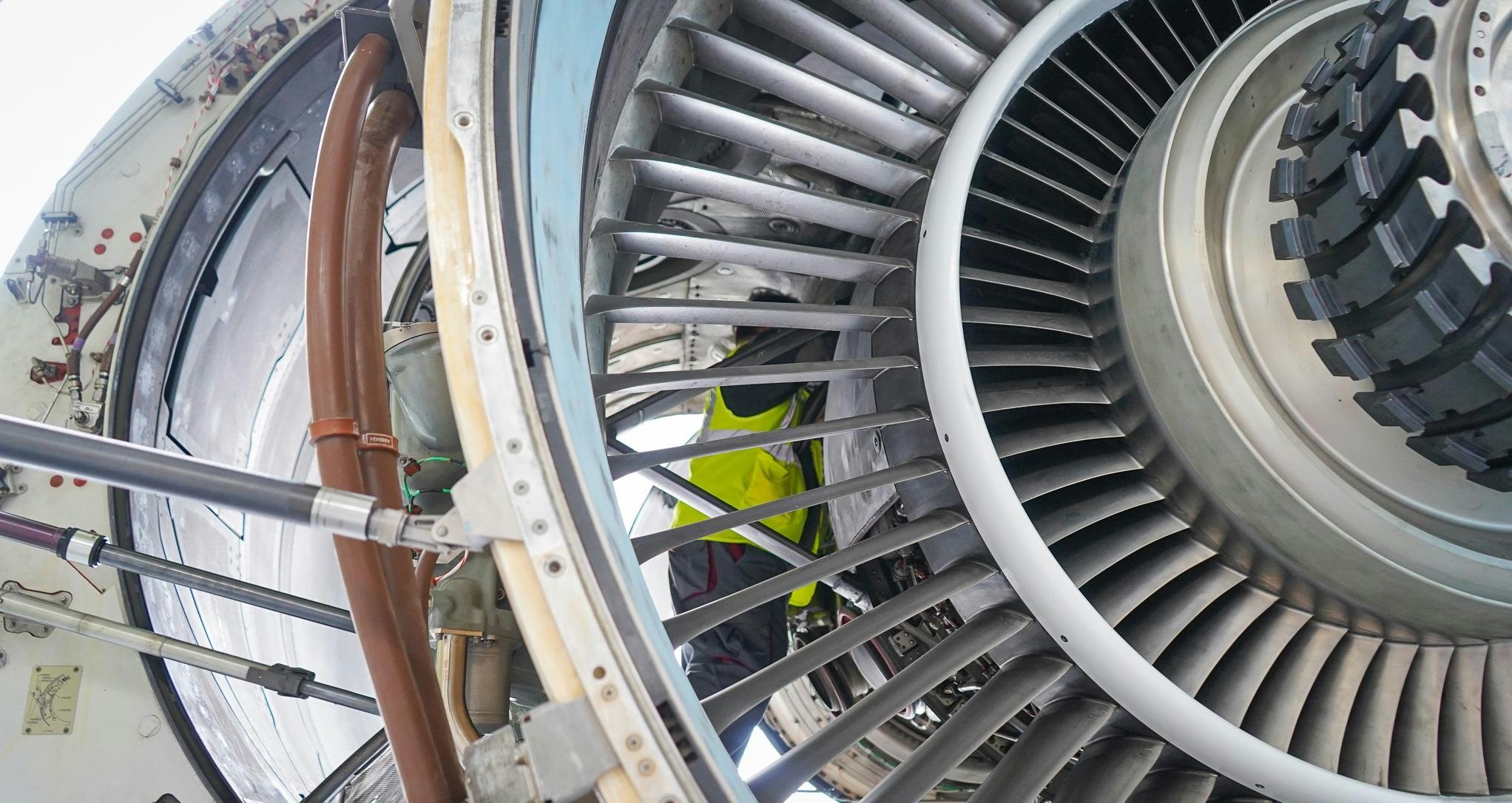
FAA Selects Air Space Intelligence for AI-Based Traffic Control Tool

FAA Selects Air Space Intelligence for AI-Based Traffic Control Tool The Federal Aviation Administration (FAA) has awarded a significant contract to Air Space Intelligence Inc. (ASI), a Boston-based startup, to implement artificial intelligence technologies aimed at revolutionizing flight traffic management. This contract represents a key milestone in the FAA’s multibillion-dollar initiative to modernize the United States airspace system. ASI was selected over larger competitors, including Palantir Technologies Inc. and Thales SA, in a competitive process announced jointly by the FAA and the Department of Transportation on June 22. AI Tools to Enhance Air Traffic Management Under the contract, ASI will deliver two integrated AI systems designed to optimize airspace operations. The first system processes a variety of data inputs—such as airline schedules, real-time aircraft positions, and weather conditions—to generate optimal flight trajectories. The second system focuses on identifying congestion and potential conflicts within the airspace, providing air traffic controllers with actionable insights. This includes predicting possible flight convergences and recommending route adjustments to mitigate delays and improve traffic flow. The U.S. government anticipates that these technologies will significantly reduce delays, enhance airspace capacity, and streamline overall traffic management. Transportation Secretary Sean Duffy emphasized the transformative potential of the initiative, stating, “Once implemented, we will fundamentally reshape how the airspace is managed—slashing thousands of delays and cancellations in the process.” The contract is valued at $875 million, with deployment scheduled to begin this fall and full implementation targeted by the end of 2028. The FAA is collaborating closely with airlines to integrate the new system into daily operations in a phased approach. Broader Modernization Efforts and Industry Implications The FAA’s adoption of AI-driven traffic control tools forms part of a wider strategy to modernize airspace management and scheduling by leveraging machine learning to address persistent inefficiencies. Congress has allocated $12.5 billion to upgrade the nation’s aging air traffic control infrastructure and reduce technology outages, though officials acknowledge that further funding will be necessary to complete these efforts. Despite the promise of AI integration, the FAA faces challenges in ensuring compatibility with existing legacy systems, maintaining regulatory compliance, and managing potential resistance from traditional air traffic control providers. Industry analysts predict that this move will intensify competition among AI solution providers. Companies such as Indra Group and Collins Aerospace may respond by enhancing their AI capabilities or expanding drone integration platforms to sustain their market positions. ASI CEO Phillip Buckendorf highlighted the commercial readiness of the technology, noting, “The FAA is embracing commercially proven technology already helping everyone from major airlines to the broader aviation community operate more efficiently and predictably.” ASI’s Position and Future Outlook Air Space Intelligence’s client portfolio includes prominent organizations such as the U.S. Department of Defense and Alaska Air Group Inc. The company’s early investors comprise notable venture capital firms including Andreessen Horowitz, Renegade Partners, and Bloomberg Beta, the investment arm of Bloomberg LP. As the FAA advances its modernization agenda, the integration of AI and machine learning is expected to drive significant changes across the aviation industry. This initiative has the potential to reshape airspace management practices and establish new benchmarks for efficiency and safety within U.S. aviation.
Vallair Receives A330neo Maintenance Certification

Vallair Receives A330neo Maintenance Certification

Vallair Receives A330neo Maintenance Certification Amid Industry Challenges Vallair Industry, a prominent French maintenance, repair, and overhaul (MRO) provider, has secured certification to conduct base maintenance on Airbus A330neo aircraft at its Châteauroux facility. This milestone, announced on June 23, 2026, expands Vallair’s existing widebody service portfolio, which already includes certifications for the A330ceo and A340 families, and positions the company for potential future certification on the A350. Navigating a Complex Industry Landscape The certification arrives at a critical juncture for the aviation maintenance sector, which continues to face significant challenges including labor and material shortages, escalating costs, and persistent geopolitical uncertainties. The industry is currently experiencing an extended maintenance ‘super cycle,’ characterized by heightened demand and increased expenditure on heavy checks and technical services. While this surge benefits MRO providers, it also exacerbates concerns over supply chain reliability. In response, many maintenance providers and airlines are consolidating and expanding their in-house capabilities to mitigate capacity constraints and exercise greater control over costs. These pressures are further compounded by delays in new aircraft deliveries, such as the recent postponements announced by Airbus for its A320neo series, complicating fleet management and maintenance scheduling for operators worldwide. Within this context, Vallair’s new certification enables the company to perform scheduled heavy maintenance checks, structural inspections, modifications, and related technical services on both the A330-800 and A330-900 models. The Châteauroux facility, covering 8,500 square meters and dedicated exclusively to Airbus aircraft, can accommodate up to five A321-sized aircraft or a combination of A330s and A321s. Vallair’s comprehensive service offerings include non-destructive testing (NDT), lease transitions, cabin refurbishment and reconfiguration, aerostructure services, engine repair and teardown, as well as logistics, parking, and storage solutions. Reinforcing France’s Industrial Capabilities Beyond enhancing its widebody maintenance capabilities, Vallair’s A330neo certification strengthens its contribution to France’s broader reindustrialization efforts. All of Vallair Industry’s operations are based within France, serving both domestic and international airline customers. By providing maintenance services to foreign operators from its French facilities, Vallair supports the country’s trade balance and industrial base. Grégoire Lebigot, President of Vallair Group, emphasized the significance of the certification, stating, “This new certification strengthens our position as a trusted maintenance partner for airlines operating modern widebody fleets, reinforces French industrial expertise, and consolidates the regional footprint of our activities.” He also highlighted the company’s commitment to workforce development through its Aircraft Academy, which currently offers Structured On-the-Job Training (SOJT) for the A320 and will soon extend this program to the A330neo, ensuring a steady pipeline of qualified technicians. About Vallair Industry Vallair Industry specializes in aircraft and engine storage, maintenance, conversion, and dismantling. As a founding member of the Aircraft Fleet Recycling Association (AFRA) and a member of GIFAS, the company operates advanced facilities in Châteauroux and Montpellier. These include 15,000 square meters of maintenance hangars and 10,000 square meters dedicated to aircraft dismantling, with capacity for over 40 aircraft parking positions. Vallair’s ongoing investments in widebody maintenance capabilities and technician training underscore its commitment to meeting the evolving needs of the aviation sector while supporting France’s industrial resurgence.
Utah Explores Drones and Air Taxis as Future Transportation

Utah Explores Drones and Air Taxis as Future Transportation

Utah Explores Drones and Air Taxis as Future Transportation Advancing Air Mobility in Utah Toni Drummond, co-founder of Future Flight Global, is at the forefront of transforming what was once considered science fiction into tangible reality. Her work focuses on integrating air taxis, drones, and electric vertical take-off and landing (eVTOL) aircraft into everyday transportation. For Drummond, an aviation enthusiast, the true excitement lies not in the novelty of these technologies but in their practical application and seamless incorporation into existing transport systems. Over recent years, both private enterprises and government agencies have been laying the foundation for advanced air mobility (AAM), a sector encompassing commercial drones, air taxis, medical supply transport, and eVTOL aircraft development. In March 2026, Utah was designated by the federal government as one of eight states to pilot these emerging technologies and support early-stage projects. This designation has attracted a range of national and local companies eager to capitalize on the state’s unique environment. Utah’s Strategic Role and Industry Developments Utah’s diverse landscape, combining urban centers with expansive rural areas, offers an ideal testing ground for AAM technologies. Local companies such as Vector Defense are developing unmanned systems for military applications, with active teams in conflict zones like Ukraine and Israel. Meanwhile, Fortem Technologies, based in Lindon, recently secured a $25 million investment from Lockheed Martin to advance anti-drone systems. These developments underscore Utah’s growing role as a hub for innovation in aerial technology, with potential applications spanning from package delivery to emergency medical transport. Drummond, who operates out of Arizona, highlights the similarities between the two states in terms of geography and transportation needs. She notes that Utah’s spread-out population creates a demand for new modes of intra-state travel, particularly in areas underserved by traditional charter flights. Advanced air mobility, she argues, could fill this gap by providing efficient, flexible transport options that complement existing infrastructure. Challenges and Industry Dynamics Despite the promise, Utah’s ambitions face significant hurdles. Regulatory frameworks governing the certification and operation of electric aircraft remain unsettled, complicating efforts to bring air taxis into commercial use. A recent U.S. government report identifies persistent challenges including regulatory ambiguity, questions about commercial viability, and operational complexities that could impede progress. Investor confidence has waned as leading air taxi manufacturers have repeatedly postponed certification deadlines, resulting in declining stock values and skepticism about the sector’s short-term outlook. The competitive landscape is further complicated by legal disputes among major industry players such as Joby, Archer, and Vertical. These companies are engaged in lawsuits over intellectual property and certification processes, which threaten to delay the deployment of air taxis even further. Such conflicts, combined with regulatory uncertainties and market pressures, have tempered the initial enthusiasm surrounding advanced air mobility. Utah at the Forefront of a New Aviation Era Nonetheless, Utah’s selection as a federal test site reflects a broader confidence in the state’s capacity to influence the future of transportation. As advanced air mobility continues to develop, Utah is positioned to navigate both the opportunities and challenges inherent in this emerging sector, potentially shaping the trajectory of aviation in the decades to come.
FAA Awards Contracts for New Air Traffic Control Software

FAA Awards Contracts for New Air Traffic Control Software

FAA Awards Contracts for New Air Traffic Control Software The Federal Aviation Administration (FAA) has awarded a significant contract to Air Space Intelligence (ASI) to develop and implement two advanced technologies designed to revolutionize flight scheduling and management across the National Airspace System. The announcement was made by U.S. Transportation Secretary Sean P. Duffy and FAA Administrator Bryan Bedford, who underscored the agency’s dedication to modernizing air traffic control and mitigating delays. Transforming Air Traffic Management Central to this initiative is the Flow Management Data and Services (FMDS) system, which will become the technological foundation of the FAA’s Air Traffic Control System Command Center. FMDS aims to balance air traffic demand with available capacity by providing essential data that supports more efficient traffic management. Embedded within FMDS is the Strategic Management of Airspace, Routes, and Trajectories (SMART) enhancement. This component utilizes FMDS data to proactively coordinate flight schedules and trajectories prior to departure, with the objective of preventing congestion and delays by identifying potential bottlenecks and available airspace well in advance—ranging from days to months. Together, FMDS and SMART are expected to significantly reduce flight delays, improve traffic flow, and increase overall airspace capacity. These systems will also allow air traffic controllers to integrate weather patterns and flight paths into a unified, centralized visualization, thereby enhancing situational awareness and facilitating more informed decision-making. Challenges and Industry Response Despite the promise of these technologies, their deployment presents notable challenges. Ensuring that the new software effectively prevents congestion and delays remains a primary concern. Airlines have raised questions regarding conflict resolution mechanisms and the predictability of the system’s operations. Moreover, integrating FMDS and SMART with existing infrastructure will require meticulous planning and coordination. Some carriers have expressed skepticism about the efficiency and reliability of the new platforms, highlighting the necessity for comprehensive testing and ongoing stakeholder engagement. The FAA’s move has also intensified competition within the air traffic control modernization sector. Industry players such as Indra Group and Collins are anticipated to accelerate their own development efforts to maintain competitive positioning in the evolving market. Secretary Duffy emphasized the broader implications of the contract, stating, “We’re already making remarkable progress on upgrading the radars, radios, and telecom wires air traffic controllers rely on thanks to the Working Families Tax Cut. But to really improve the flying experience for the traveling public, we must change how flights are managed. We’re thrilled to partner with ASI to begin deploying these two new software platforms. Once implemented, we will fundamentally reshape how the airspace is managed—slashing thousands of delays and cancellations in the process.” As the FAA advances with the deployment of FMDS and SMART, the agency and its partners face the dual challenge of integrating cutting-edge technology while addressing industry concerns, with the ultimate goal of delivering a more efficient and reliable air travel experience.
line
Unique Capabilities of the Airbus A380 for Airlines