
AeroGenie — Uw intelligente copiloot.

Trending
Categories
Surf Air Mobility Revises Financial Outlook Using AI Software

Surf Air Mobility Revises 2026 Financial Outlook Using AI-Driven Software
Surf Air Mobility has announced a significant revision to its 2026 financial outlook, reporting a 40% reduction in projected Adjusted EBITDA losses. The company attributes this improvement to its proprietary SurfOS™ software, which harnesses artificial intelligence and automation to enhance operational efficiency. Known for its commitment to technological innovation, Surf Air Mobility credits these advancements with streamlining its air mobility platform and accelerating the adoption of next-generation aircraft.
Technology-Driven Operational Efficiencies
At the core of Surf Air Mobility’s improved forecast is SurfOS, a digital platform designed to automate key airline and charter workflows. This automation has resulted in a 6% reduction in airline operational costs and a 15% decrease in charter service expenses. The company’s “Powered by Surf On Demand” program has further bolstered charter revenue and profitability by enabling Surf Air Mobility to serve a larger client base while maintaining lower operational costs.
In addition to workflow automation, the company has implemented corporate automation initiatives and a disciplined procurement strategy, which have collectively reduced staffing requirements by 32% and professional service expenses by 17%. These measures have contributed to a leaner, more efficient operational model, positioning Surf Air Mobility as a leader in innovation and profitability within the aviation sector.
Strategic Partnerships and AI Integration
A key factor in the accelerated development and deployment of SurfOS has been Surf Air Mobility’s strategic partnership with Palantir. By integrating advanced AI and data-driven solutions, the collaboration has enabled the company to roll out its software platform more rapidly and cost-effectively. This partnership supports Surf Air Mobility’s long-term vision of delivering scalable, modern air mobility services that leverage cutting-edge technology.
Challenges and Market Dynamics
Despite these technological and financial gains, Surf Air Mobility continues to face significant challenges. Regulatory complexities within the aviation industry, potential delays in the rollout of electric aircraft, and intensifying competition from both established airlines and emerging air mobility companies pose risks to the company’s growth trajectory. Investor skepticism has emerged regarding the feasibility of meeting ambitious timelines, while competitors may respond by accelerating their own electric aviation projects or enhancing existing services to maintain market share.
Outlook
Surf Air Mobility’s integration of AI and automation has produced notable operational efficiencies and a more favorable financial outlook. However, sustaining this progress will require careful navigation of regulatory hurdles, successful technological deployment, and effective competition management in a rapidly evolving market. As the company continues to refine its processes and expand its offerings, the broader air mobility sector is expected to experience increased innovation and heightened competitive activity.

Raytheon Delivers Next-Generation Jammer Pods for Australian EA-18G Growlers
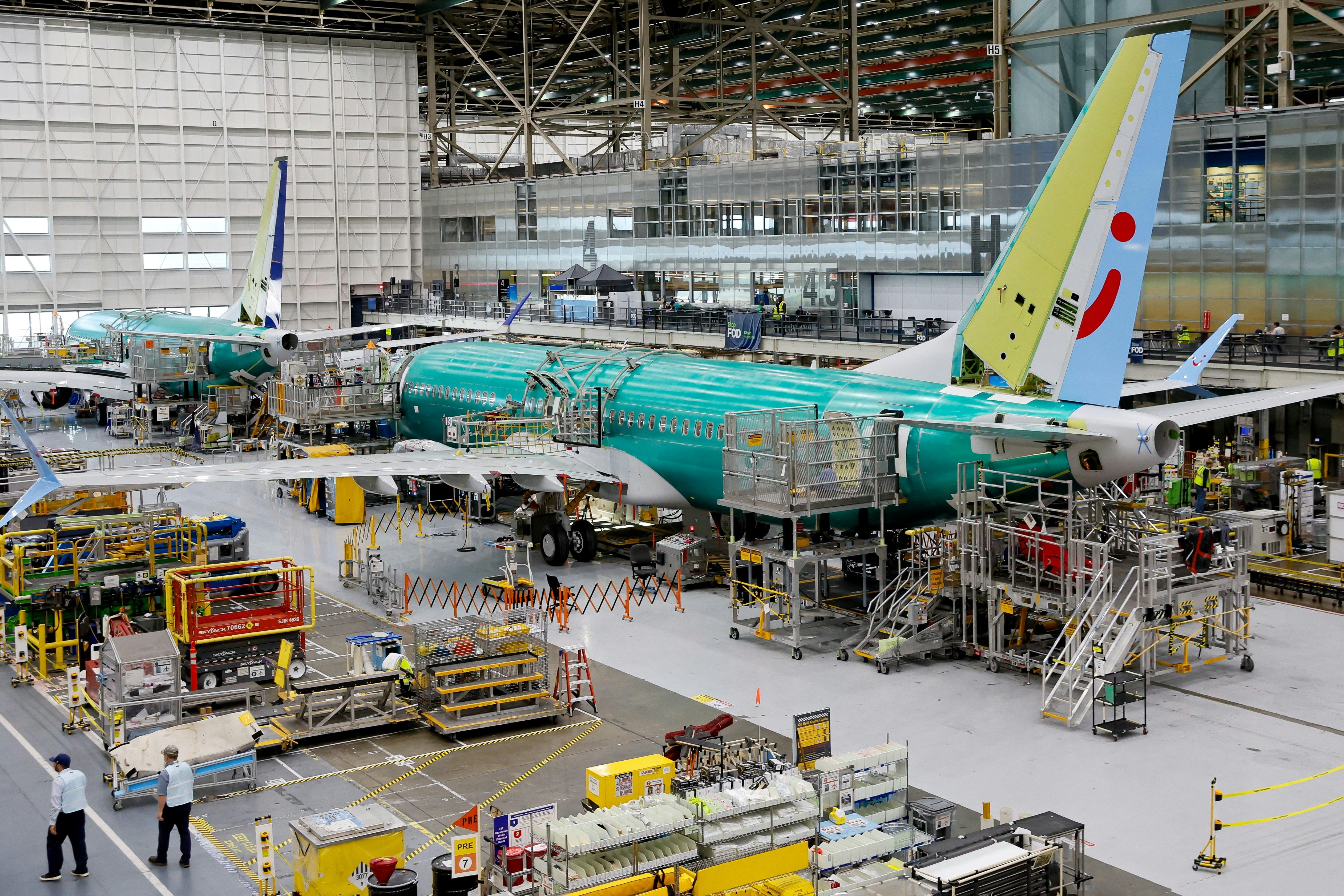
Boeing Reports Smaller Loss as Aircraft Deliveries Increase, Anticipates 737 Max Certifications This Year

L2 Aviation Acquires Advance Aero

JetBlue Updates A320 Cockpits with Airbus EEIS2 Displays
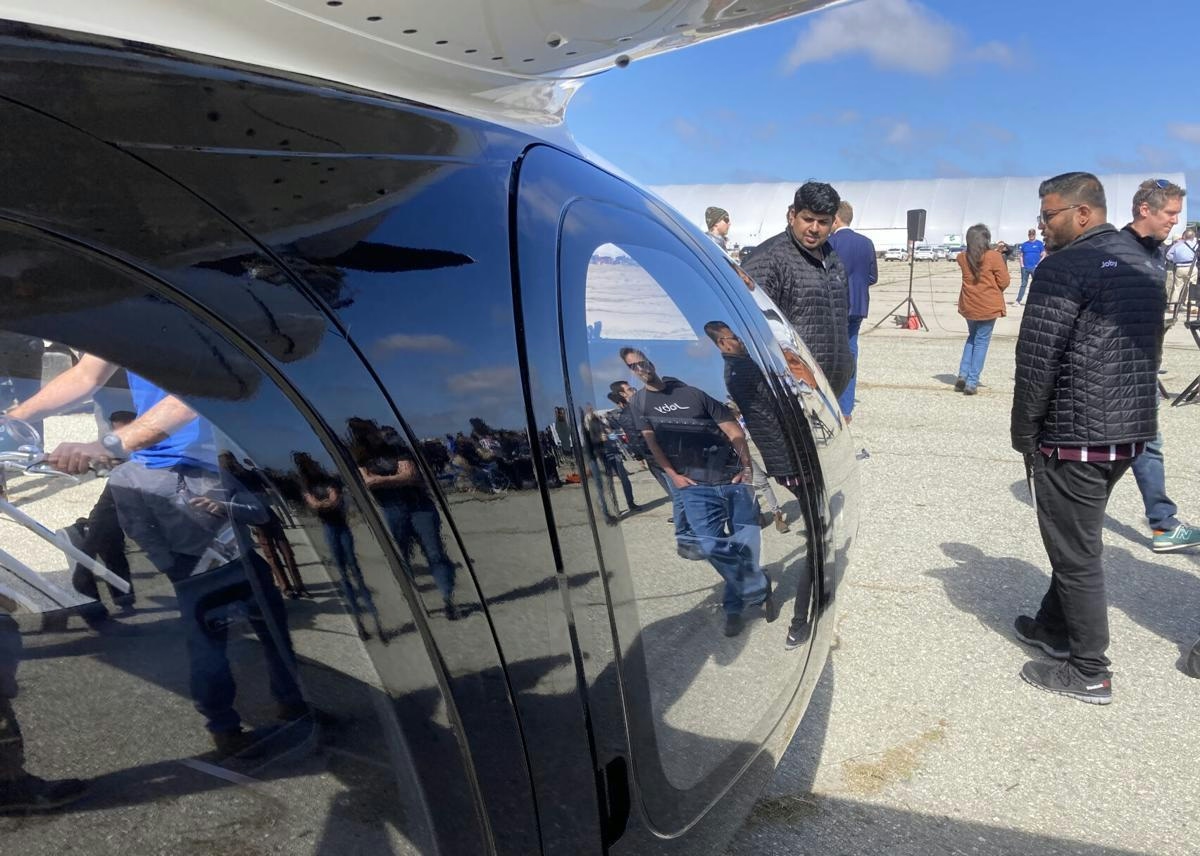
Joby Aviation President Didier Papadapoulos to Resign in July
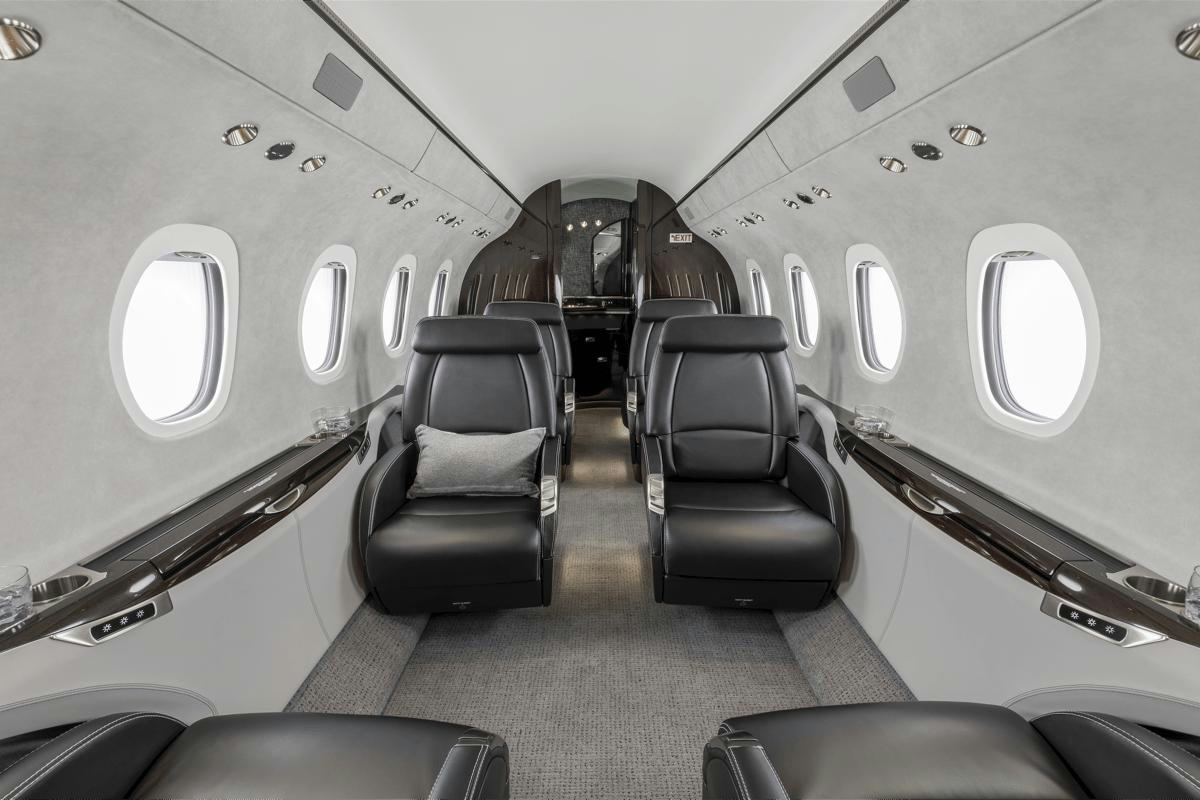
Luminar Orders Nine Citation Latitude Jets
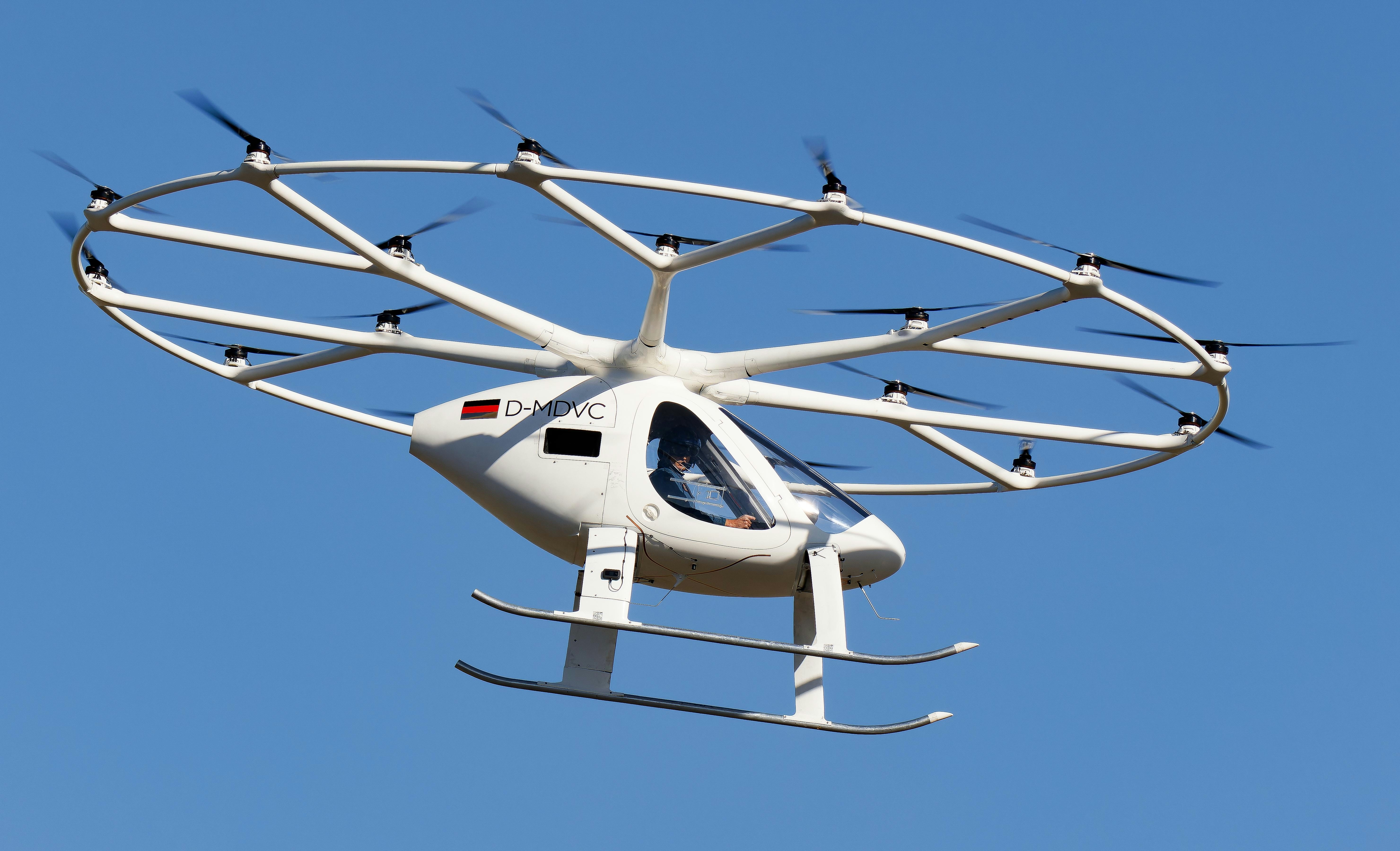
DeSantis Announces State Funding for Vertiports to Support Urban Air Mobility
Air India Accelerates Cabin Upgrade with RECARO Seat Retrofit

Norway Advances Aviation with Hybrid-Electric Aircraft Trials

CADA/26 Highlights Aviation Digitalization in Central Asia
