
AeroGenie — Seu Copiloto Inteligente.

Tendências
Categories
US Air Force Chooses Honeywell SkyShot 1600 for Autonomous Aircraft Propulsion Prototype
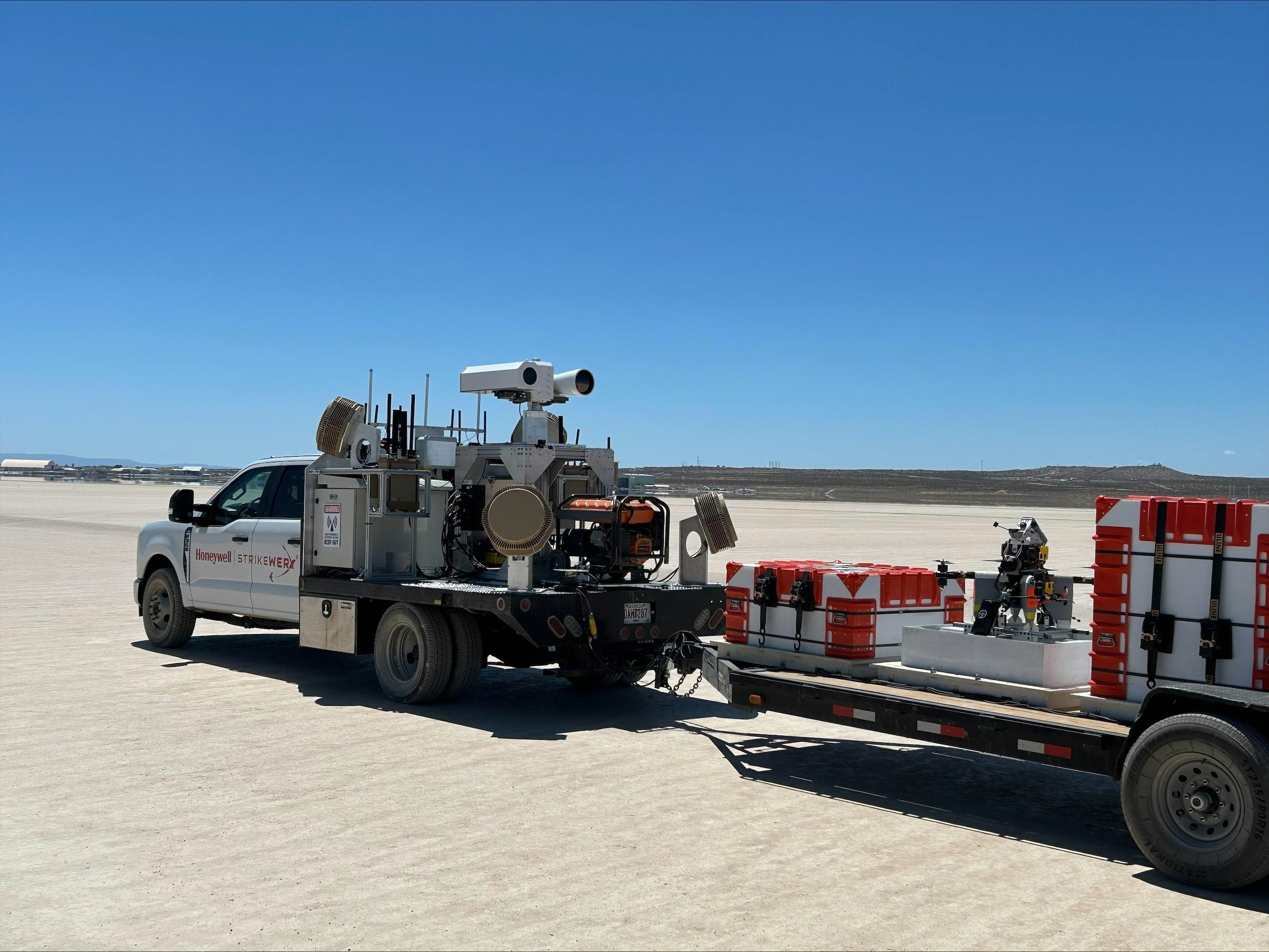
US Air Force Selects Honeywell SkyShot 1600 for Autonomous Aircraft Propulsion Prototype
The U.S. Air Force has awarded Honeywell a prototype contract to develop a propulsion system tailored for autonomous aircraft, choosing the company’s new small thrust-class engine, the SkyShot 1600. This engine is designed specifically for collaborative combat aircraft and features a flexible architecture adaptable to various mission profiles. It can be configured as either a turbojet or turbofan, providing a versatile propulsion solution aligned with the evolving demands of modern military operations.
Contract and Development Framework
The contract was issued under an Other Transaction Authority (OTA) Project Agreement facilitated through SOSSEC, Inc., supporting the Air Force’s Propulsion Directorate as part of the Propulsion Consortium Initiative 2.0 (PCI 2.0). This agreement, designated OTA No. FA8626-24-9-0005, is managed collaboratively by the Air Force Life Cycle Management Center (AFLCMC) and SOSSEC, Inc. The initiative aims to accelerate propulsion technology development by fostering partnerships between the Air Force and industry innovators.
Engine Capabilities and Technological Advancements
The SkyShot 1600 engine delivers thrust ranging from 800 to 2,800 pounds, with scalability options for higher thrust outputs as operational requirements evolve. It is engineered to withstand demanding G-force conditions, enabling effective engagement with highly maneuverable targets. Honeywell is employing advanced design and manufacturing techniques, including digital modeling and rapid performance evaluation, to expedite development and facilitate seamless integration with air vehicle systems. These innovations are intended to reduce production timelines and enhance supply chain robustness.
Industry Context and Supply Chain Challenges
The Air Force’s selection of the SkyShot 1600 occurs amid growing concerns over supply chain vulnerabilities within the defense sector. The outgoing chief of the Air Force’s Acquisition, Airworthiness, and Propulsion Agency (AAPA) recently highlighted the critical need for increased regional investment to mitigate ongoing supply chain disruptions. Such challenges pose risks to the timely delivery and production of next-generation propulsion systems, underscoring the importance of resilient manufacturing and logistics frameworks.
Market Competition and Strategic Implications
Honeywell’s entry into the rapidly expanding Collaborative Combat Aircraft market with the SkyShot 1600 is expected to intensify competition among engine manufacturers. Industry leaders such as GE Aerospace and Kratos have also secured contracts for the development of small turbofan engines, reflecting the strategic priority placed on propulsion innovation. This competitive landscape highlights the Air Force’s commitment to equipping autonomous platforms with advanced, reliable engines capable of meeting future operational demands.
As the SkyShot 1600 advances into prototype development, Honeywell and its competitors are positioned to play a crucial role in shaping the future of autonomous military aviation. They must navigate both technological hurdles and supply chain complexities in the pursuit of next-generation propulsion solutions.
LEVEL Suspends San Francisco Flights Due to Engine Shortage
China Conducts First Flight Test of Megawatt Hydrogen Turboprop Engine
Oklahoma’s Aerospace Industry Expands and Its Impact on the State Economy
Archer Aviation Confronts Setbacks Amid Declining Air Taxi Interest

FAA and EASA Mandates to Influence Flight Line Testing Equipment Market Through 2035
Willis Lease Operates as a Leveraged Spread Business with Moderate Returns
Chinese Team Develops First Flight Control Software for Bamboo Drones
Government Moves Forward with Boeing Purchase, Considers Airbus Leasing
SkyHope Appoints Aviation Industry Leader to Board
The Challenges of Certifying Autonomous Aircraft
