
AeroGenie — Ваш интеллектуальный второй пилот.

В тренде
Categories
Can SAF Technology Reduce Aviation Emissions?

Can SAF Technology Reduce Aviation Emissions?
Sustainable Aviation Fuel (SAF) is increasingly recognized as one of the most promising solutions for reducing carbon emissions within the aviation industry. Its key advantage lies in its compatibility with existing fuel infrastructure, enabling airlines to integrate SAF without requiring significant operational adjustments. As the sector progresses, momentum is building across the entire value chain. Governments are establishing regulatory frameworks to support SAF adoption, while private sector entities are driving demand through strategic procurement and investment initiatives.
Growing Corporate Demand and Market Dynamics
The recently published Amex GBT Sustainable Aviation Fuel (SAF) Index 2026 highlights the critical role corporate travel programs are expected to play in the expansion of SAF usage. Projections suggest that by 2030, corporate travel could account for up to half of the global demand for SAF. This anticipated increase is viewed as a vital catalyst for bolstering market confidence, encouraging further production, and fostering innovation within the sector. Elizabeth Rolfes, Sustainability Analyst at AMEX GBT, emphasized the significance of this development, describing the index as a comprehensive guide to the evolving SAF landscape and its implications for corporate travel programs.
Despite this optimism, the widespread adoption of SAF faces considerable challenges. High production costs, constrained supply chains, and complex regulatory environments continue to impede rapid scaling. The industry’s response has been varied: while some airlines are actively embracing SAF and investing heavily in its development, others remain cautious due to economic uncertainties. Concurrently, competitors are exploring alternative or complementary technologies such as electric propulsion and carbon capture, reflecting a broader search for effective decarbonization strategies.
Policy Challenges and Future Prospects
Policy decisions add further complexity to the SAF landscape. For instance, Singapore recently delayed the implementation of its SAF levy, citing geopolitical tensions and the necessity to balance environmental objectives with economic and market considerations. This decision highlights the intricate relationship between policy frameworks, market forces, and global events in shaping the trajectory of sustainable aviation.
As SAF technology continues to advance and collaboration among industry stakeholders intensifies, its potential to substantially reduce aviation emissions remains significant. However, addressing the economic, logistical, and regulatory hurdles will be essential for SAF to realize its full potential in the sector’s broader decarbonization efforts.
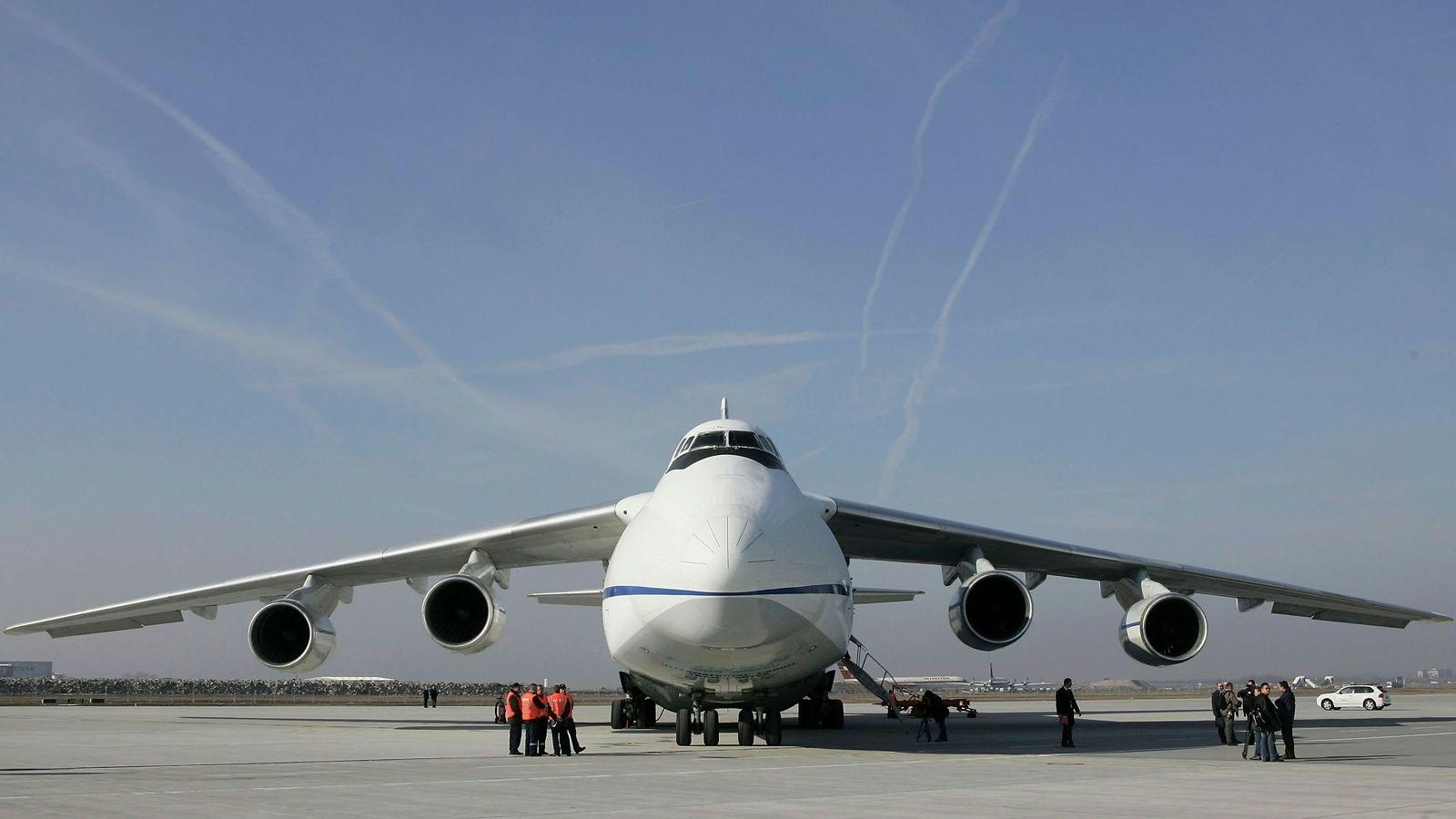
Six Aircraft With the Largest Passenger Capacity
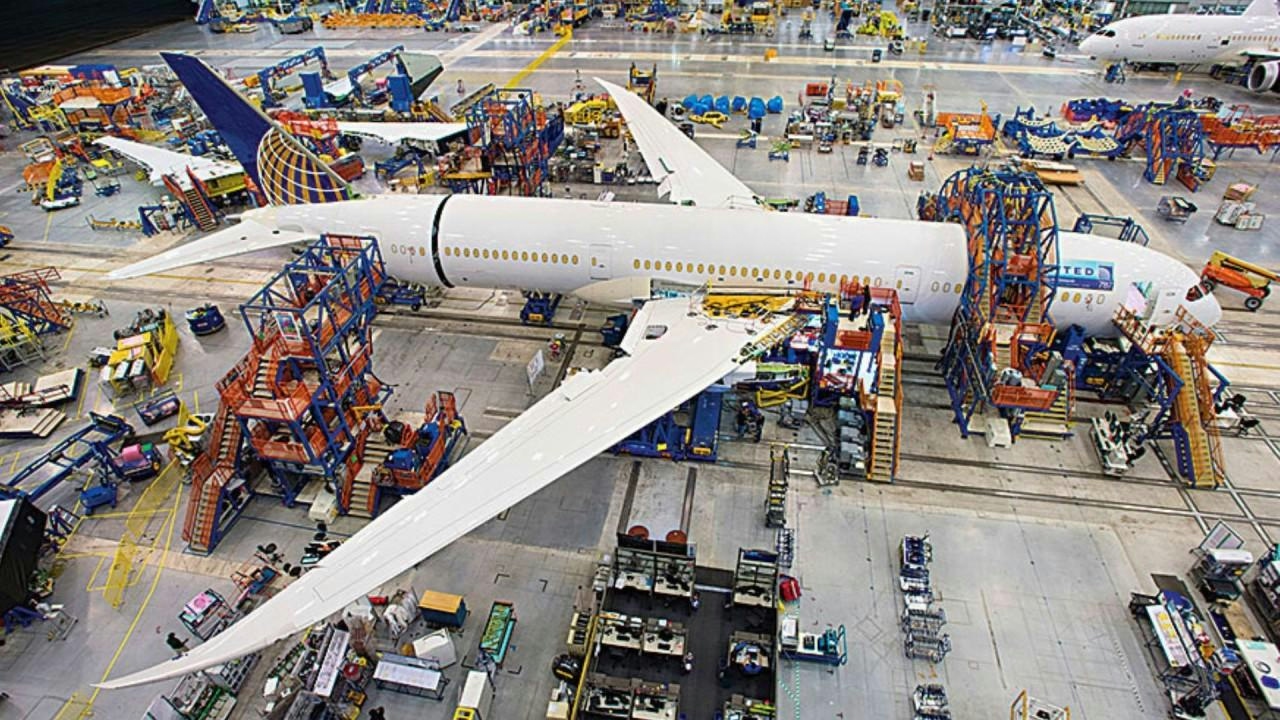
Narrow-Body Aircraft Lead Growth in Commercial Aircraft MRO Market as Wide-Body Segment Recovers
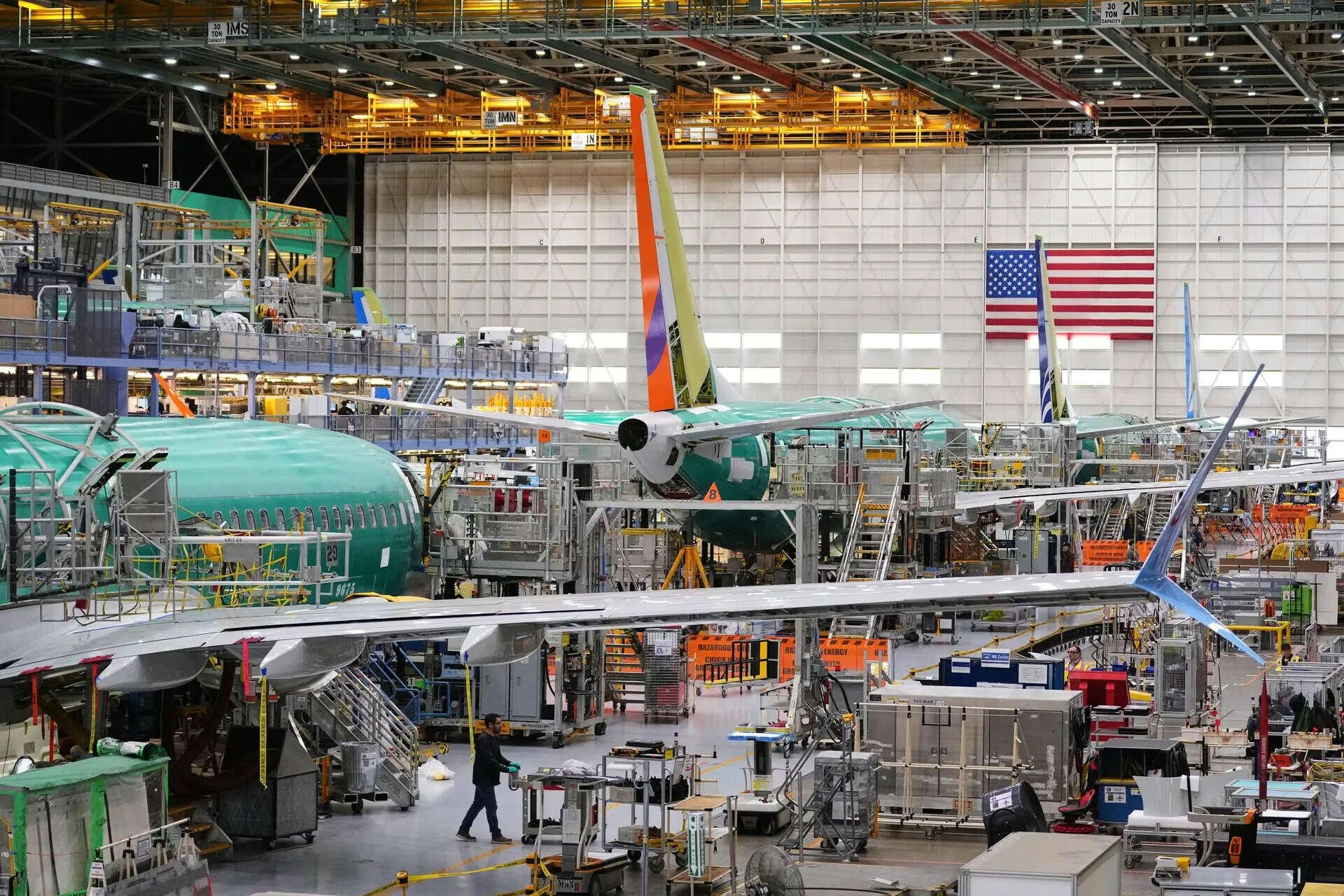
Boeing and Honeywell expand aftermarket parts access
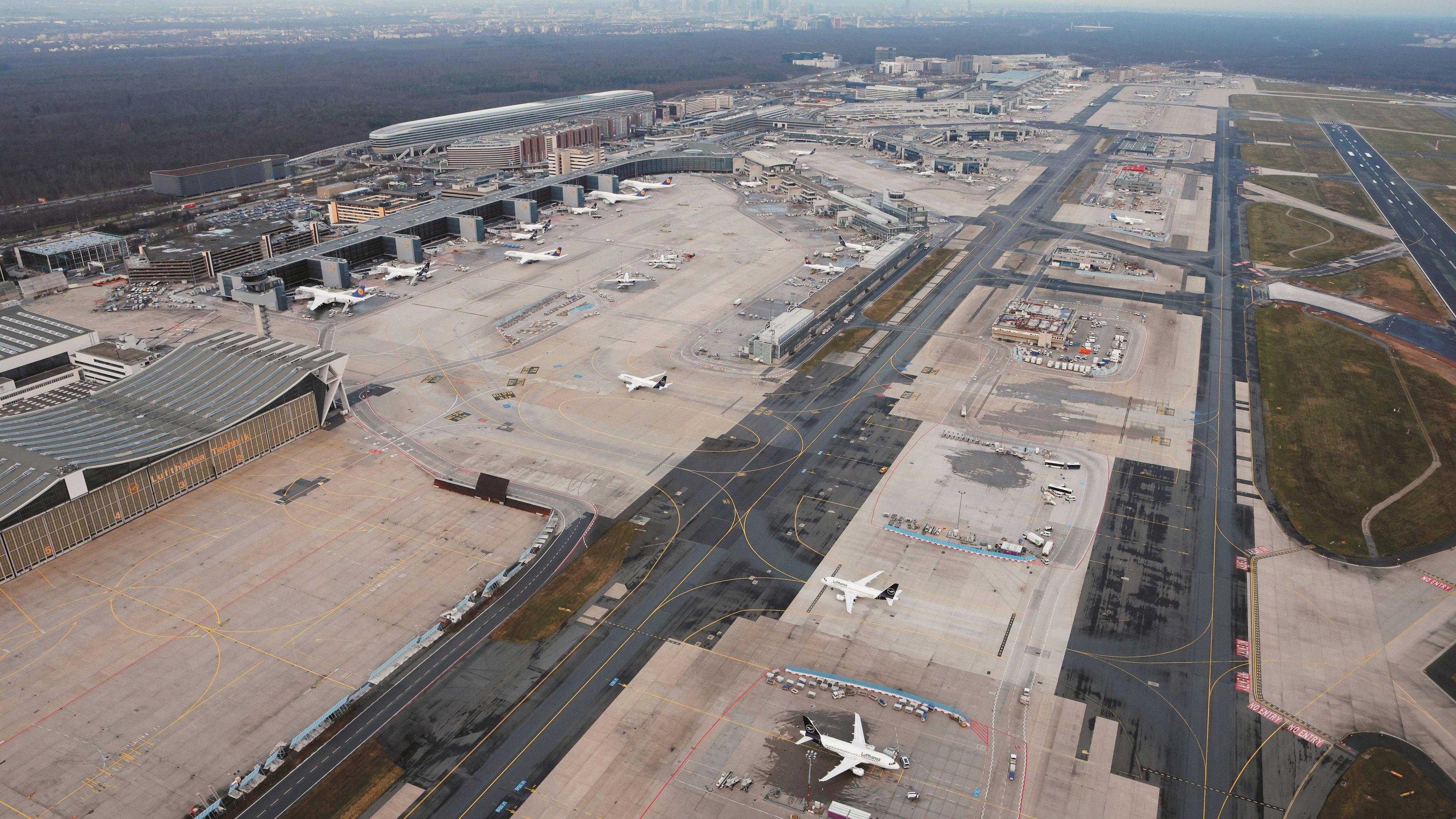
FTE Airport Digital Transformation Power List EMEA 2026 Highlights Leading Airports
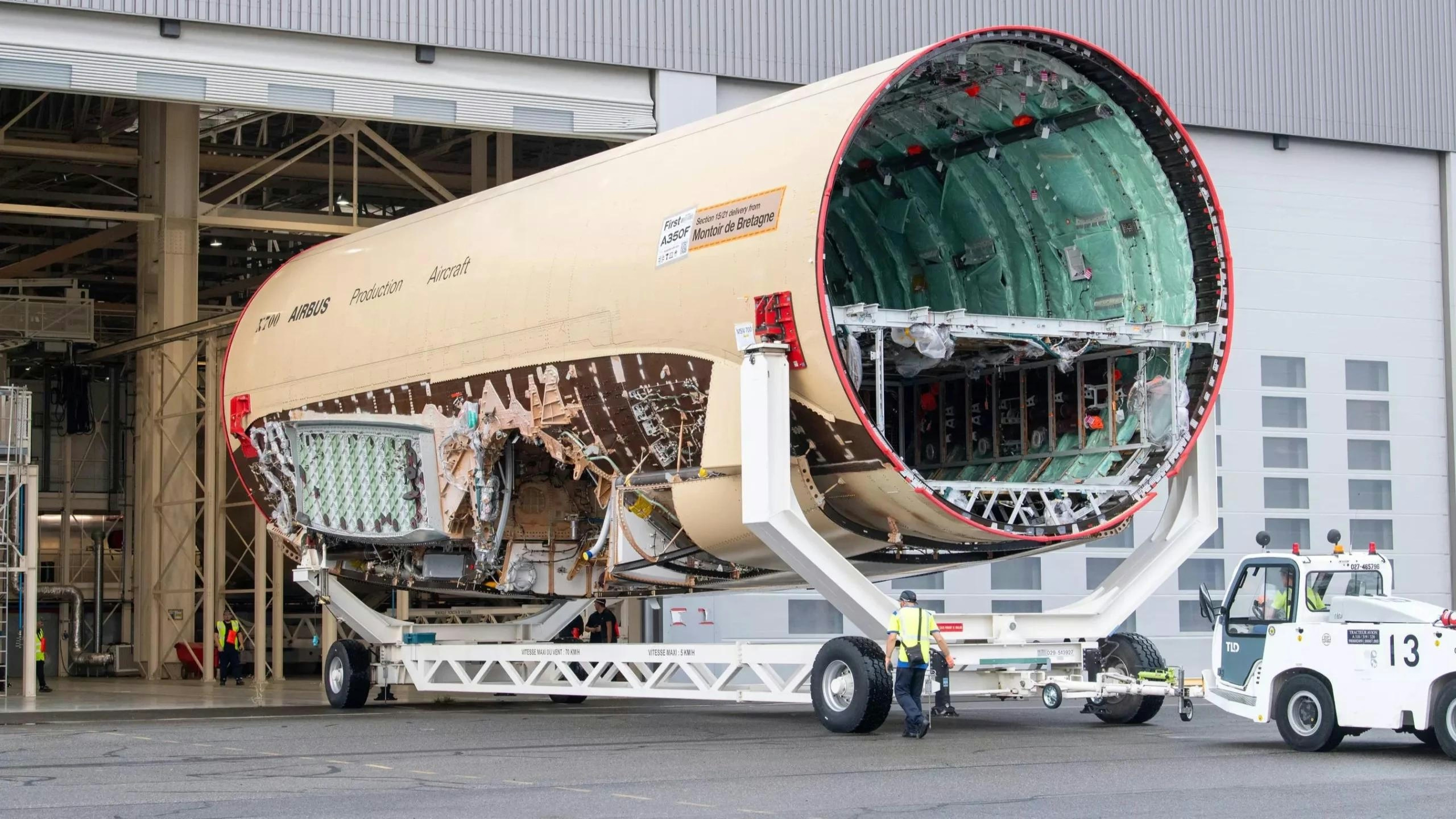
Airbus Achieves Milestone in A350F Cargo Door Development
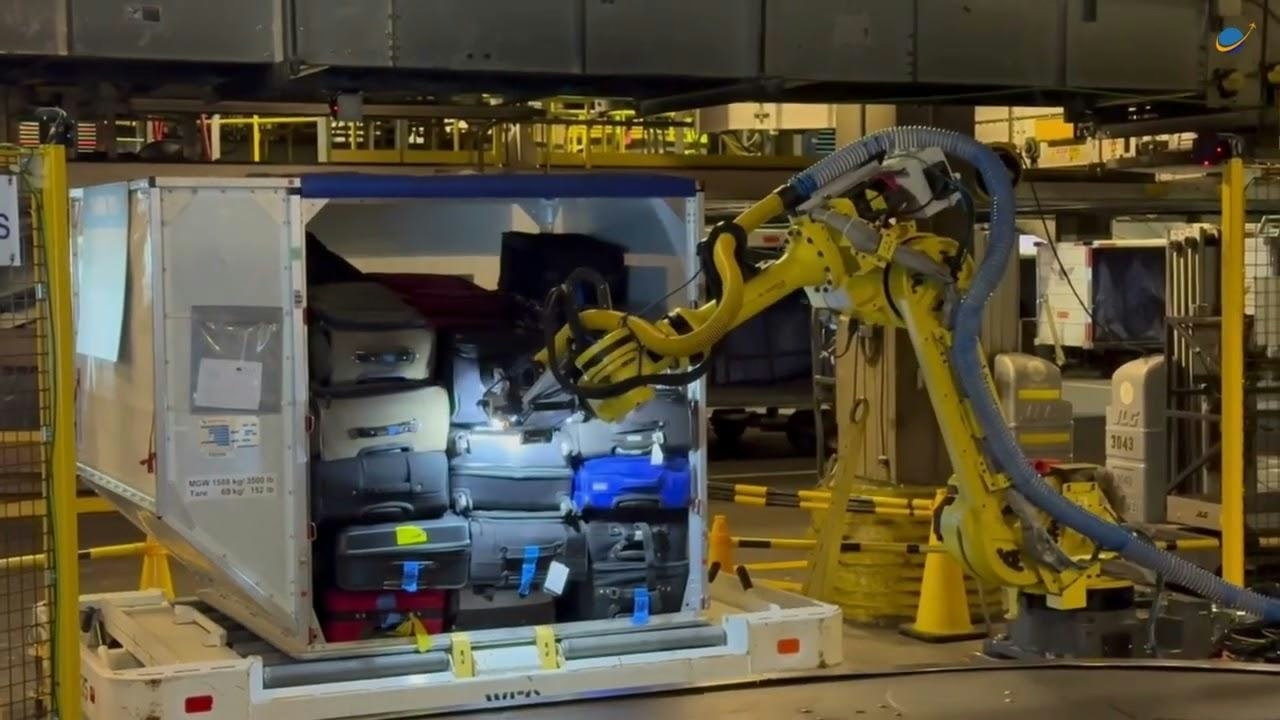
Aeroporti di Roma Implements Outsight’s Physical AI System at Fiumicino Airport

Fokker Expands Flight Recorder Line with SkyLog-25 Acquisition

Safran Exceeds First-Quarter Jet Engine Revenue Estimates, Affirms Outlook

Alibaba Opens Qwen App to Partners in Collaboration with China Eastern Airlines
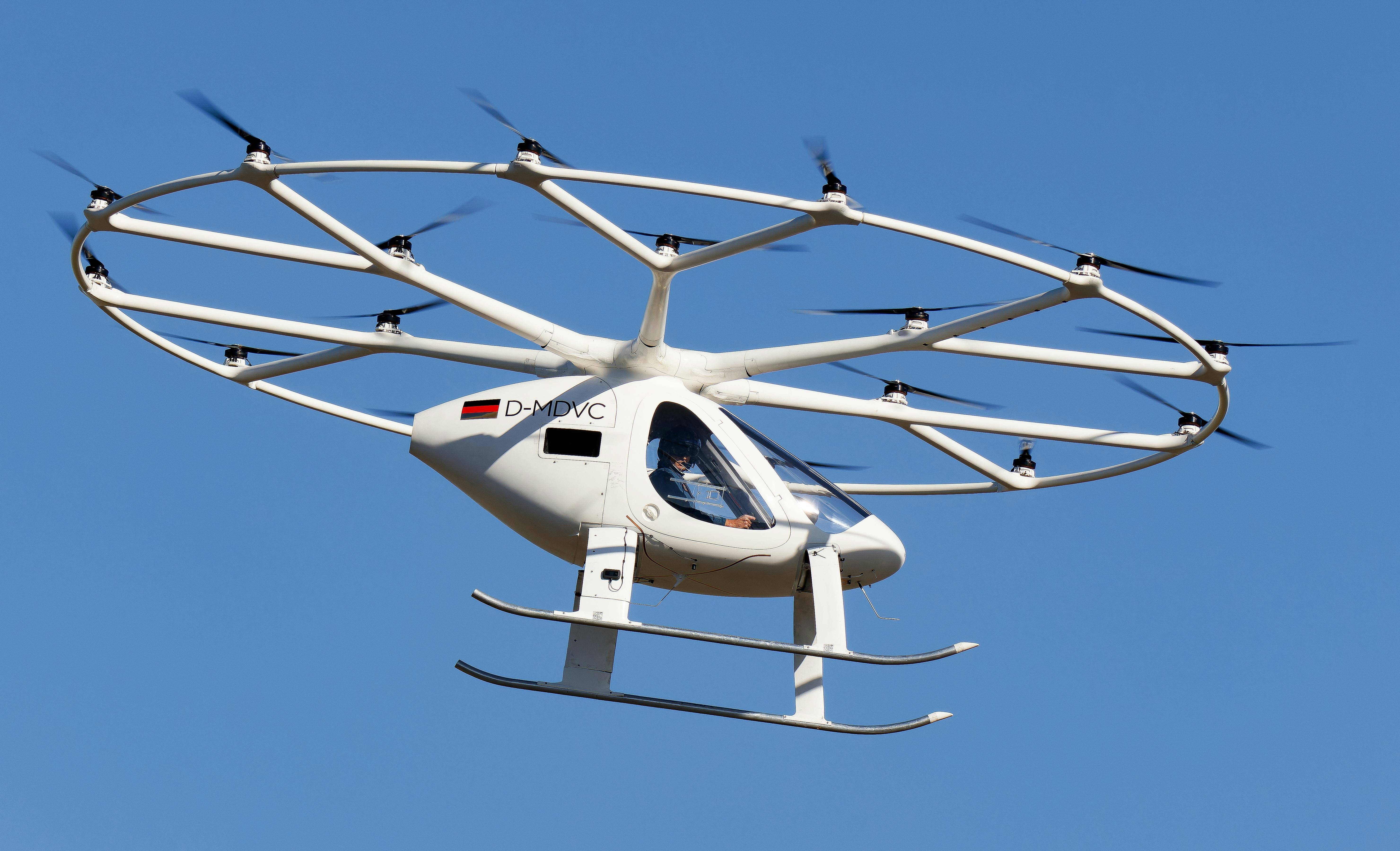
Gov. DeSantis Signs Florida Law Advancing Air Taxi and Urban Air Mobility
